
The first time I came to Everglades City in June I stepped out of the car and thought something had died nearby. That is not a poetic exaggeration. The smell was organic and dense and immediate, and it took me a moment to understand that I was not smelling decay exactly but something adjacent to it, something that decomposition is part of but does not fully describe. The mangrove mud at low tide in summer produces a sulfur-laced richness that the January version of this place does not prepare you for at all, and standing in the parking area near the waterfront in the eight o’clock morning heat, I had the distinct sensation of having arrived somewhere I had not actually been before, despite having been here twice already.
That sensation turned out to be accurate in ways I did not immediately understand.
The Everglades is not one place in the way that most landscapes are one place. It is a system, and like any living system it runs differently depending on the season, the rainfall, the temperature of the water, and the position of the tide relative to the moon and the wind and the accumulated dry weeks of a Florida winter or the accumulated wet weeks of a Florida summer. What you encounter when you arrive here in January, with the cold fronts pushing through every ten days and the water low and clear and the wading birds stacked along the tidal edges like something from an Audubon plate, is a real version of this ecosystem. It is also a version that has been, without anyone quite deciding to do this, curated by the calendar of northern tourism. The snowbirds come in January. The kayak tours fill in February. The Seafood Festival happens in February and the town briefly holds twenty times its normal population and then releases them back to wherever they came from. The Everglades that most visitors see is the Everglades in its dry season presentation, which is extraordinary and also not the whole story.
June is the wet season beginning its work. The afternoon thunderstorms build over the interior by two o’clock most days, the kind of storms that look decorative from a distance and structural up close, and the freshwater they drop moves slowly south and east through the sawgrass and the sloughs and eventually into the tidal creeks and mangrove estuaries around Chokoloskee Bay. The salinity balance shifts. The fish move. The birds disperse into the interior rather than concentrating along the edges where the winter-low water has pushed them. The mosquitoes, which the January visitor knows only theoretically, become a fact of life that no amount of DEET fully resolves. The air is not just hot but saturated, and the saturation is not the passive humidity of a bad August in the northeast but something more active, something that participates in everything you do.
What surprised me during that first June visit, and what forced me to revise a version of this place I had been building carefully across two winter trips, was a conversation with a woman who had been running a small charter operation out of Everglades City for eleven years. I had asked her, in what I thought was a reasonable question, whether business slowed down significantly in summer. She looked at me for a moment in the way that people here sometimes look at you when you have said something that reveals the limits of what you understand. She said that the serious fishermen came in summer. That snook season, the redfish, the tarpon moving through the passes in May and June, these were not consolation prizes for the visitors who could not make it in the good months. They were the reason people who knew what they were doing arranged their lives around being here when the tourists were not.
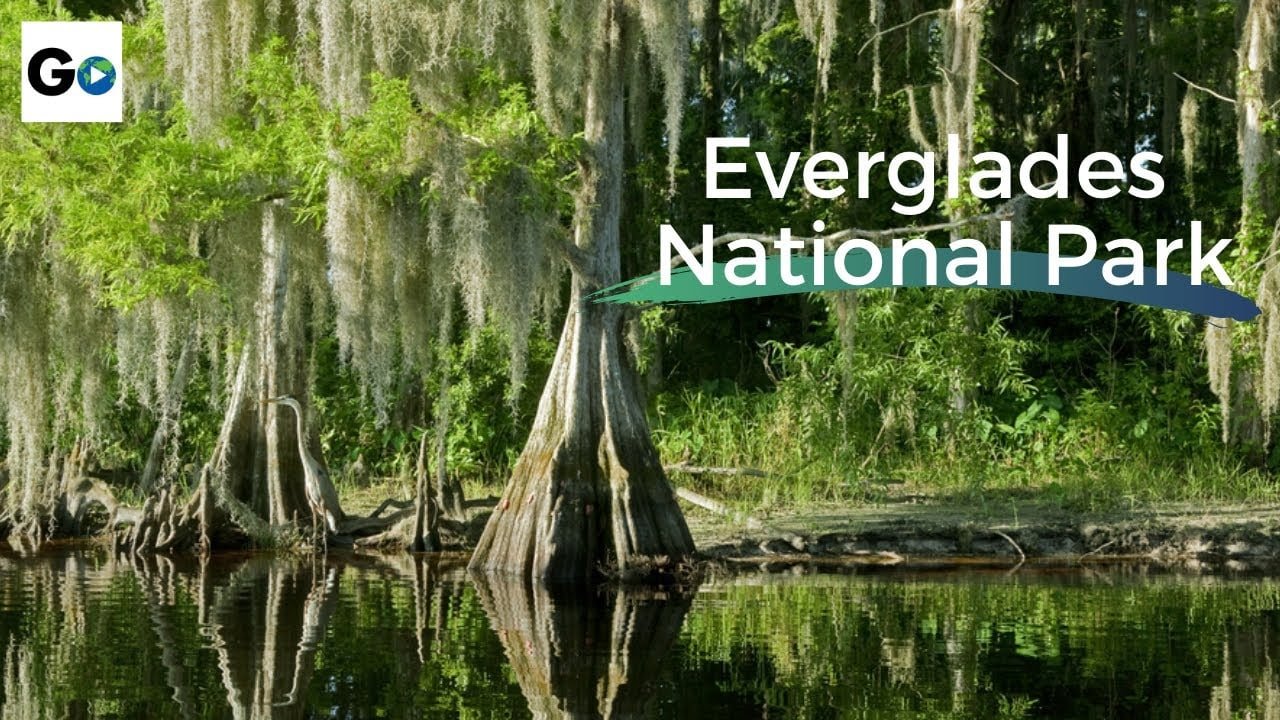
I had been thinking about the ecosystem seasonally in the way that the tourism calendar suggested, which is to say with winter as the premium and summer as the off-season, and she had corrected that framing without being unkind about it. The Everglades does not have an off-season in any biological sense. It has different seasons, each of which is doing something specific and consequential, and the preference for winter is a preference imposed by the people who visit, not by the system itself.
The smell in June is the smell of productivity. That is the closest I have come to an accurate description after several attempts. The mangrove mud is giving off hydrogen sulfide as the bacteria in it break down organic matter, which is a process that runs faster in heat, and the result is an ecosystem that is visibly, olfactorily, unmistakably at work in a way that the cool and the clear of January moderates. The roseate spoonbills are inland in summer, the great white herons are more dispersed, the dramatic congregation of wading birds at the low-water edges that makes the winter backcountry look like a wildlife documentary set is not available. What is available instead is the engine underneath the spectacle, the biological machinery that makes the spectacle possible.
I stayed three days longer than I had planned on that first June trip, not because the conditions were comfortable, they were not, but because I had started to understand something about the relationship between what an ecosystem looks like and what it is actually doing, and those two things are not always aligned. The Everglades in winter is easier to love. It is cooler and the birds are visible and the water is clear and the smell is salt and possibility. The Everglades in June is harder to be in and more honestly itself.
Most places that are worth paying attention to have a version of themselves that they only show when the conditions are difficult enough to discourage the casual visitor. This is one of them.

Donald Reeves writes about Everglades City the way the place deserves to be written about: without the brochure language, without the manufactured wonder, and without pretending that a town of 400 people sitting at the edge of a swamp is something it is not.
He has spent considerable time in Collier County’s oldest settlement, arriving during stone crab season when the waterfront smells of brine and work, and returning in the off-season when the tourists are gone and the town goes quiet in the particular way that only genuinely remote places can. He has paddled the mangrove tunnels of the Ten Thousand Islands, eaten at places with no hours posted on the door, and spoken at length with fishing guides who navigate these waters by memory rather than chart.
His writing on Everglades City FL covers everything from tidal fishing conditions and kayak trails to lodging, local history, and the complex past that most Florida travel content carefully avoids.
He writes to give readers the honest version.