
There is a lot on Camellia Street where a house used to be. I know this because the woman who sold me a cup of coffee at a place that does not have a sign out front told me about it while I was waiting, not as a story exactly but as information she was passing along because I had asked how the town was doing and she had decided to answer honestly. The house had been there for forty years. The family had gutted it after Irma, done what they could, and eventually decided that what they could do was not enough and sold the lot and moved to Naples. The lot has been cleared. It looks like a decision that cost something.
That was two years after the mayor made his statement. He said recovery would take years. He said it plainly, in the careful tone of someone who has assessed a situation without flinching and is now reporting what he found. He was right, and the rightness of it is visible in ways that the recovery narrative that followed Irma, the one that moved through the national media in its predictable arc from disaster to resilience to something-that-reads-as-redemption, did not quite capture and was not really designed to.
Irma came through in September 2017 with a storm surge that put several feet of water into the lower parts of town and left behind a smell that people here describe in different ways but always with the same quality of permanence, the smell of everything that was inside a house now being outside it, of saltwater in places saltwater was never meant to be. The damage was total in some blocks and partial in others and the randomness of it, which is the randomness of storm surge and the specific topography of a low-lying town surrounded on three sides by water, meant that recovery happened at different speeds for different people in ways that the town’s social fabric had to absorb over time.
I came back fourteen months after the storm and the evidence was still everywhere. Waterlines on walls. Missing roofs replaced with blue tarps that had been there long enough to start failing. A few houses with FEMA trailers in the driveways that still had people in them. The Rod and Gun Club, which had been damaged significantly, was in the middle of a restoration that would take longer than originally projected and cost more than originally estimated, which is the story of every significant repair in a place this remote, where contractors and materials both have to travel the same thirty-five miles of two-lane road that everyone else uses. The infrastructure of remoteness, which is part of what makes Everglades City what it is, becomes an infrastructure of vulnerability when the thing that needs to happen quickly cannot happen quickly because the road is the road and the distance is the distance.
What surprised me on that visit, and what I have continued to think about across several returns since, was a conversation with a man who had grown up here, left for twenty years, come back just before Irma, and then stayed through it and after it in a way he had not entirely planned. I had expected him to talk about resilience in the way that people who have been through something difficult and survived it sometimes talk about resilience, with the retrospective clarity that suffering eventually produces. He did not. He said that the recovery had exposed something about the relationship between Everglades City and the various levels of government above it, federal, state, county, that had been true before the storm but had become impossible to ignore after it. The assistance had been slow, and not because of indifference exactly but because the systems designed to deliver assistance after disasters were not designed with a place like this in mind. A town of under five hundred people at the end of a single road, without the population density or the political weight to accelerate the processes that population density and political weight normally accelerate.
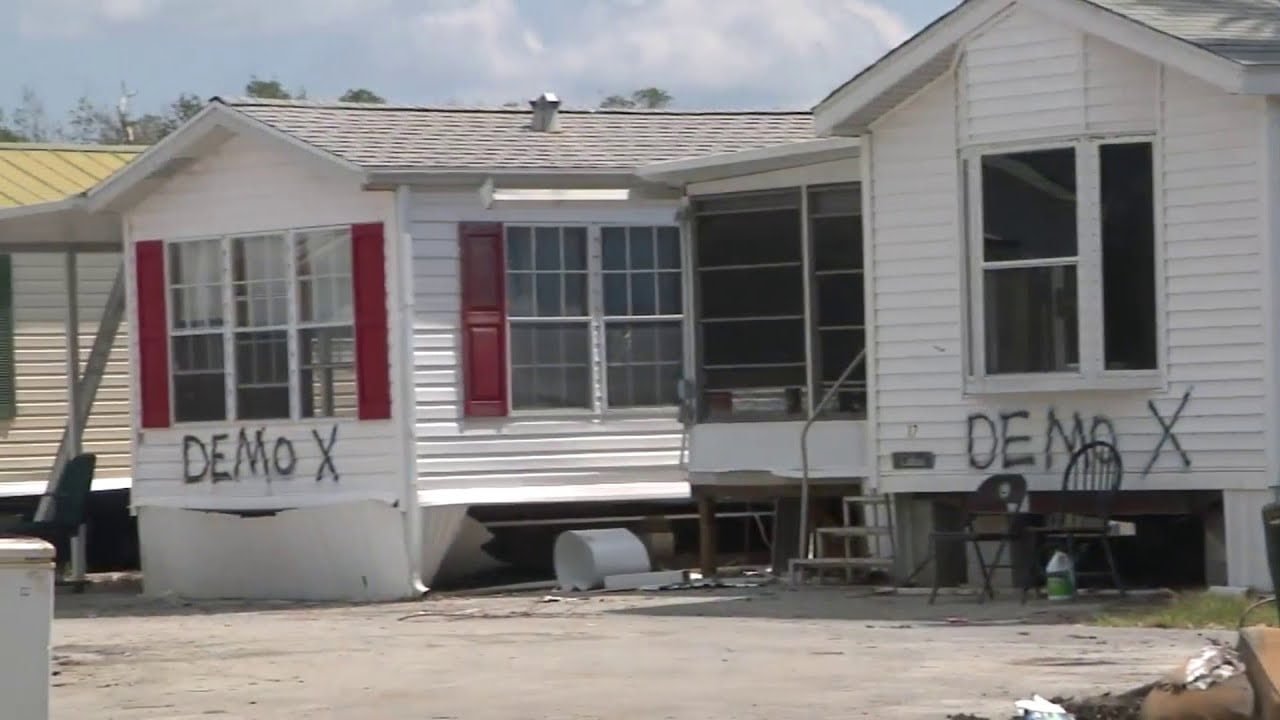
The town put itself back together largely through the mechanisms it had always used, which are the mechanisms of a small, self-sufficient community: people helping neighbors, skills shared across property lines, decisions made by people who had to live with the consequences of those decisions in a way that officials making decisions from offices in Tallahassee or Washington did not. This is not a romantic description. It is a practical one. The result is a recovery that is real and incomplete simultaneously, which is the most accurate description I can offer of what Everglades City looks like now.
The waterfront has been repaired. Triad Seafood is running. The stone crab season came back and the boats went out and the town did the thing it has done for generations, which is work the water through October and November and into the winter until the season closes and the rhythm shifts. New houses have gone up on some of the damaged lots and some lots are still empty and some families did not come back and some people came who had not been here before and found something in the rebuilding that made them stay.
The mayor was right that it would take years. He was also, I think, describing something beyond the physical repairs, something about the time it takes for a community to absorb what happened to it and find its balance again, which is a different kind of recovery from the one that gets measured in structures repaired and FEMA cases closed.
What Everglades City has that most places do not is a relationship with difficulty that is old enough to be structural. The difficulty is not incidental. It is part of what the place is. The recovery from Irma is not a departure from the town’s history. It is a continuation of it.
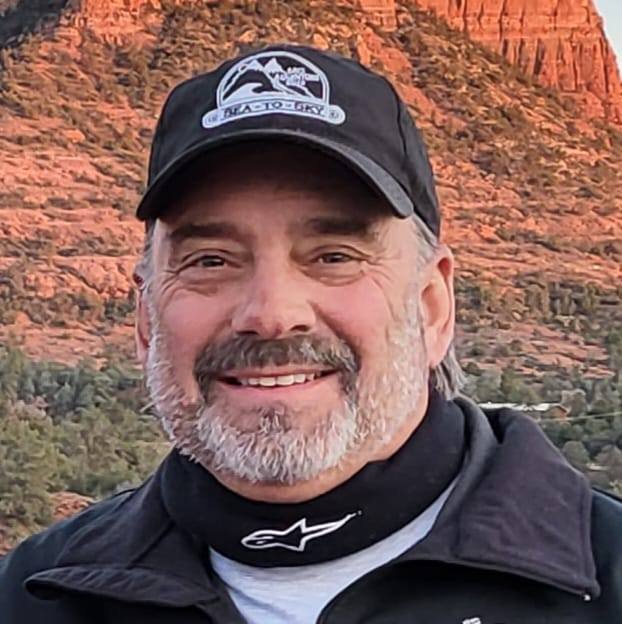
Donald Reeves writes about Everglades City the way the place deserves to be written about: without the brochure language, without the manufactured wonder, and without pretending that a town of 400 people sitting at the edge of a swamp is something it is not.
He has spent considerable time in Collier County’s oldest settlement, arriving during stone crab season when the waterfront smells of brine and work, and returning in the off-season when the tourists are gone and the town goes quiet in the particular way that only genuinely remote places can. He has paddled the mangrove tunnels of the Ten Thousand Islands, eaten at places with no hours posted on the door, and spoken at length with fishing guides who navigate these waters by memory rather than chart.
His writing on Everglades City FL covers everything from tidal fishing conditions and kayak trails to lodging, local history, and the complex past that most Florida travel content carefully avoids.
He writes to give readers the honest version.