
The Saturday of the Seafood Festival, I stood on the waterfront at Everglades City and counted more people than I had seen in three previous visits combined. The smell of fried food had replaced the usual brine and boat fuel, and the noise from the vendor tents made conversation difficult. A man beside me was filming the bay on his phone and narrating quietly, describing the scene as remote and untouched.
Venice and Barcelona have been talking about this problem for years, and the conversation has now arrived somewhere it was always going to arrive. The pressure has moved from global cities to small towns, scenic gateways, and coastal communities that built their identity around being undiscovered. Everglades City fits that description more precisely than most.
The town has a population under five hundred and a single road in. Its appeal to visitors is inseparable from its smallness, its distance from infrastructure, and its quality of existing for reasons other than tourism. Those are also exactly the qualities that cannot survive unlimited visitor volume without changing into something different.
The Seafood Festival multiplies the town’s population by approximately twenty times over a single weekend. That ratio is not a boast about success. It is a description of a stress test. The infrastructure that serves four hundred and fifty residents does not scale to nine thousand visitors without visible strain.
What unsettled me at the last festival I attended was not the crowds themselves but a conversation I overheard near the boat ramp. Two visitors were debating whether the town felt authentic enough, whether it had been developed too much, whether something had been lost. They were standing in a town of fewer than five hundred people, thirty-five miles from Naples, in the middle of a festival they had driven four hours for. The irony was not lost on me, though I am not sure it registered for them.
The travel writing about Everglades City, including the kind produced by people who mean well, is itself part of this problem. Every piece that describes the place as remote, as the real Florida, as somewhere most people have not found yet, is an invitation. The more successfully a piece of writing captures what makes a place worth visiting, the more it contributes to the conditions that will change it.
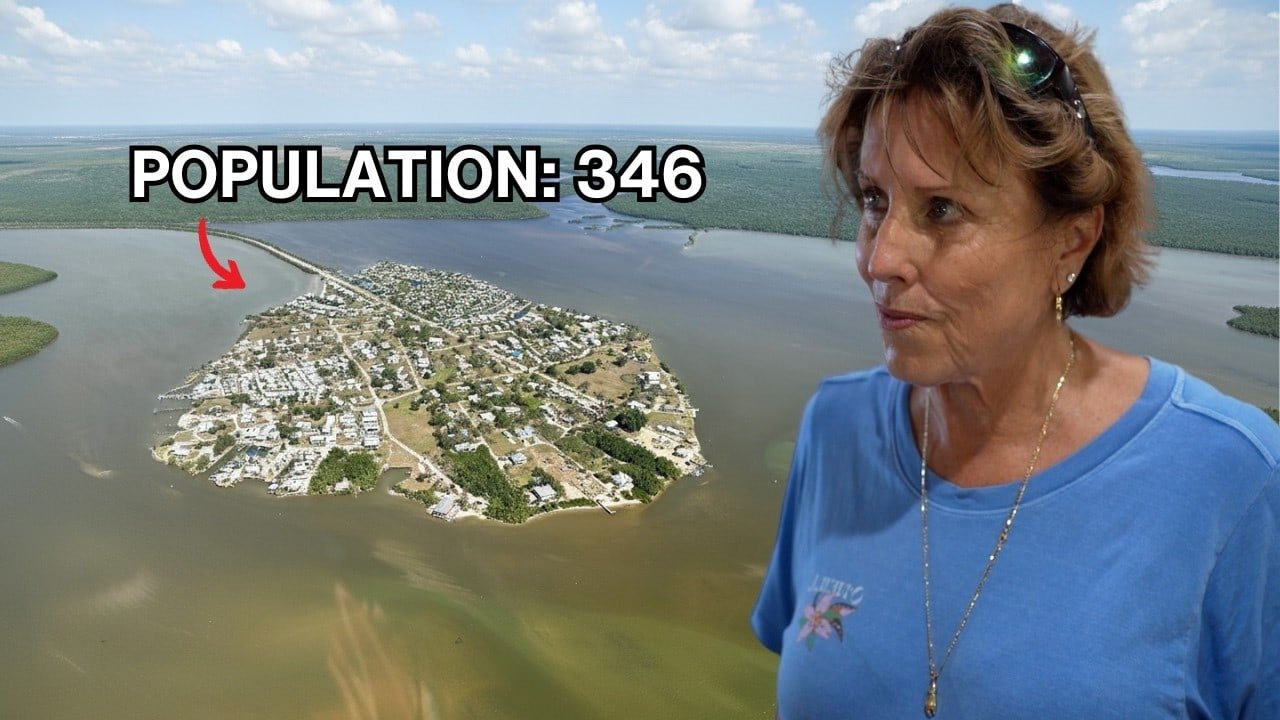
Most towns facing this kind of pressure have something to fall back on, a commercial district, a hospitality sector, a civic infrastructure built for volume. Everglades City has the waterfront, the seafood operations, the access to the Ten Thousand Islands, and not much else in the way of absorption capacity. When visitors outnumber residents by twenty to one, there is no mechanism for distributing that pressure.
I have watched this play out in other small Florida towns and the trajectory is consistent. First the discovery, then the coverage, then the increase in visitors, then the infrastructure built to serve those visitors. The infrastructure changes the character of the place, the character change disappoints the visitors who came for the original character, and the town is left with neither.
The residents I have spoken to over several visits have not collectively decided how they feel about this. Some depend on the festival and the tourist season for a meaningful portion of their annual income. Others talk about the festival weekend the way you talk about a relative who visits too often and stays too long. Both positions are reasonable and they are not easily reconciled.
What Everglades City deserves, and what it is not currently getting, is an honest conversation about carrying capacity. Not a tourism strategy or a marketing plan, but a genuine accounting of how many people this place can absorb. The thing that draws visitors here is precisely the quality that visitor volume is most likely to erode.
The problem is not that people want to come here. The problem is that the language used to describe the place has outrun the town’s ability to remain what that language describes.

Donald Reeves writes about Everglades City the way the place deserves to be written about: without the brochure language, without the manufactured wonder, and without pretending that a town of 400 people sitting at the edge of a swamp is something it is not.
He has spent considerable time in Collier County’s oldest settlement, arriving during stone crab season when the waterfront smells of brine and work, and returning in the off-season when the tourists are gone and the town goes quiet in the particular way that only genuinely remote places can. He has paddled the mangrove tunnels of the Ten Thousand Islands, eaten at places with no hours posted on the door, and spoken at length with fishing guides who navigate these waters by memory rather than chart.
His writing on Everglades City FL covers everything from tidal fishing conditions and kayak trails to lodging, local history, and the complex past that most Florida travel content carefully avoids.
He writes to give readers the honest version.