
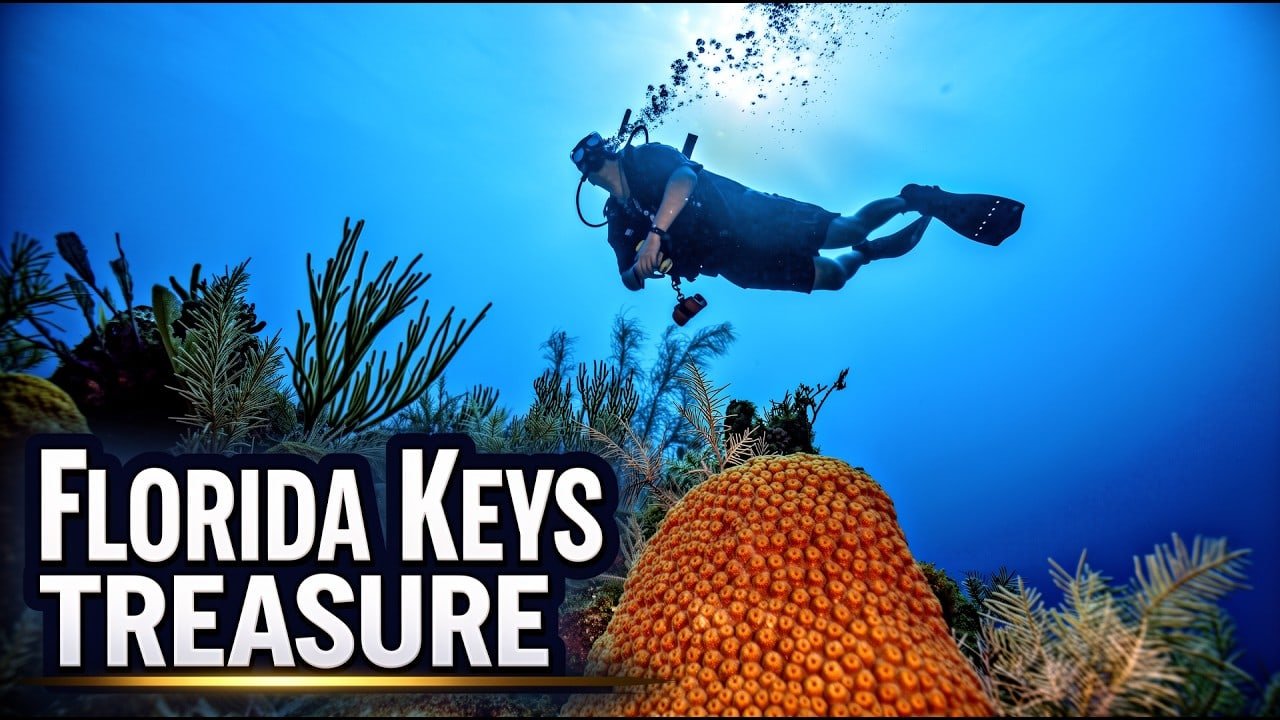
I read about the $52 million aquarium coming to John Pennekamp from the dock in Everglades City. The afternoon light was going gold over the water and the mangrove smell was coming off the low tide mud the way it does at that hour. The water I was looking at and the water the $52 million is being spent on are part of the same system. One end of that system will have a 23,000-gallon tank devoted to Florida’s coral reef and a storm simulator showing how mangroves protect the coast.
The other end has Triad Seafood and a boat ramp. I do not say that to be unkind about either place. The Pennekamp project is serious conservation work. Mote Marine Laboratory has restored more than 200,000 corals to Florida’s reef, and growing coral on site within the new facility is not a small thing.
Florida’s coral reef is the only living coral barrier reef along the coast of North America. It is dying in ways that require serious intervention, and Mote Marine’s work is exactly that. The $52 million facility will open in fall 2028, including seven tanks totalling 43,000 gallons and interactive exhibits with native marine species. Monroe County’s Tourist Development Council committed $2 million to the project, which tells you exactly how the funding logic works.
The funding logic is tourist development councils. The Keys have one because the Keys have the kind of tourism that generates the tax revenue to fund infrastructure. Everglades City has a Seafood Festival once a year, a population under 500, and a town the state regularly fails to include in any conversation about marine infrastructure. The ecosystem does not know that.
The moment that changed how I was thinking about this came from a conversation with a fishing guide who knows the Ten Thousand Islands by memory. He was not interested in the Pennekamp aquarium one way or the other. What he was interested in was the water temperature in the passes, which had been running two degrees above what he expected for the third year in a row. A facility in the Keys will not fix what that guide is watching in the passes north of Everglades City.
The Ten Thousand Islands are part of the same marine ecosystem corridor that includes the Florida Keys. What happens in the freshwater flow from the Everglades interior affects the salinity of the estuaries, which affects the fish, which affects the reef further south. The system is connected in ways that a $52 million facility in the Keys cannot address from one end alone. Nobody is building a $52 million anything in Everglades City, and most people who visit the Pennekamp facility in 2028 will not know what that means.
I am not arguing that the aquarium should not be built. I am observing that conservation investment follows the infrastructure that already exists, which means places with the most resources continue to attract more resources. The mangrove tunnels north of Everglades City, where the canopy closes overhead and GPS becomes unreliable, are protecting the same coastline the storm simulator inside the aquarium will explain. The simulator will be very good, and the mangroves will remain under-resourced.
There is a specific kind of knowledge about an ecosystem that only comes from working it over generations. It is not scientific knowledge, though it does not contradict science; it is observational knowledge built at the pace the ecosystem actually moves. The airboat operators, the fishing guides, the people who have been out here in every season for thirty years: this is the baseline. You cannot put that in a tank.
Everglades City has been watching its water for longer than any facility will. The fishing guides who run these channels by memory have a record of what the ecosystem does that exists in no database. That knowledge is not being funded at $52 million, or at any number that comes close. It lives in the people who are here, and it will leave with them when they go.
The aquarium will outlast most of them.
What serious conservation money does is make the things it funds more visible. What it does not do is change the geography of which places the money decides to look at. The water around Everglades City will not be in the exhibit, but it will still be where it is.
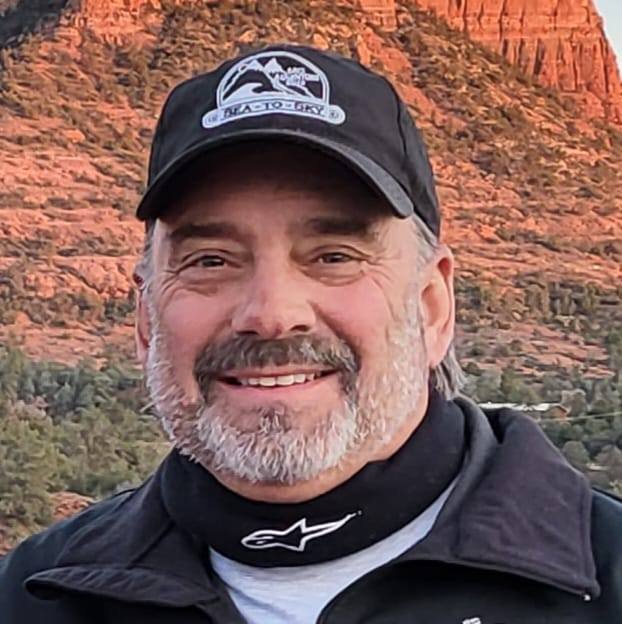
Donald Reeves writes about Everglades City the way the place deserves to be written about: without the brochure language, without the manufactured wonder, and without pretending that a town of 400 people sitting at the edge of a swamp is something it is not.
He has spent considerable time in Collier County’s oldest settlement, arriving during stone crab season when the waterfront smells of brine and work, and returning in the off-season when the tourists are gone and the town goes quiet in the particular way that only genuinely remote places can. He has paddled the mangrove tunnels of the Ten Thousand Islands, eaten at places with no hours posted on the door, and spoken at length with fishing guides who navigate these waters by memory rather than chart.
His writing on Everglades City FL covers everything from tidal fishing conditions and kayak trails to lodging, local history, and the complex past that most Florida travel content carefully avoids.
He writes to give readers the honest version.