
The ibis came in just after seven, a loose formation of maybe thirty birds dropping toward the flat between the mangrove edge and the open bay. The light was still low and gold, the water surface barely disturbed, and the smell coming off the mud was the particular low-tide smell of the Ten Thousand Islands, organic and mineral together, old in a way that has nothing to do with time as most people experience it.
I was out with a guide who has been working these waters for over two decades. He watched the ibis land without comment, the way you watch something you have seen ten thousand times and still have not tired of. He said the wading birds had been moving through in higher numbers this past week. He said it the same way he said everything, which was without any particular invitation for a response.
The rangers at Everglades National Park have been posting real-time wildlife updates across their social channels through May 2026. Alligators are basking in sun-warmed sloughs. Wading birds are nesting in mangrove colonies across the park’s interior. The spring peak is bringing record visitor numbers to the Homestead entrance and the main park infrastructure. What those posts do not explain is the relationship between the park and the water sitting immediately outside it.
Everglades City sits at the northwestern edge of the same watershed. The Ten Thousand Islands and the tidal flats around Chokoloskee Bay are not inside the national park boundary, but they are inside the same system. The water moving through the mangroves here came from the same slow sheet flow that drains southward from Lake Okeechobee. When the park is at spring peak, so is this water, and the wildlife does not consult the boundary lines.
That distinction matters more than most travel content acknowledges. The national park has entrance fees, visitor centres, organised trail systems, and ranger programming designed for people arriving by car from Miami or Naples. Everglades City has fishing guides, kayak rental operations, and airboat operators who know this water by memory rather than by interpretive sign. The access is guide-dependent, informal, and completely different in character from what the park offers thirty miles to the southeast.
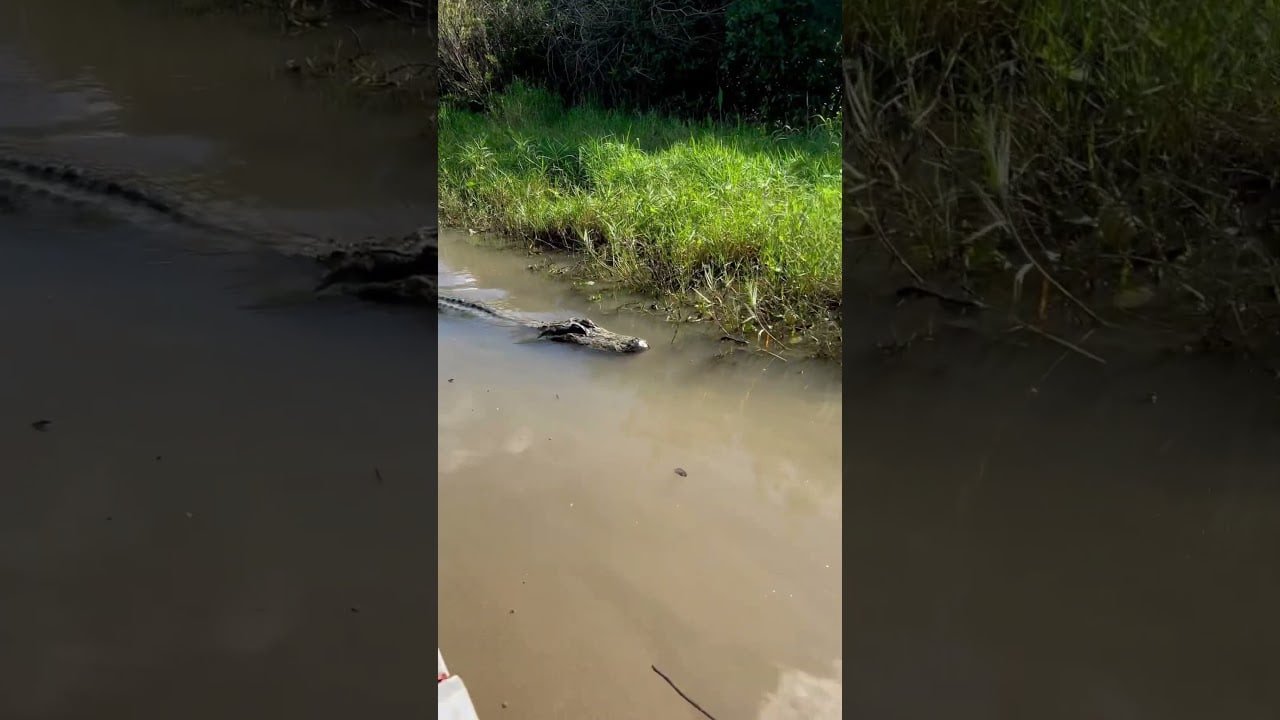
What surprised me this visit was a conversation with a woman at the kayak outfitter near the causeway. She had been fielding calls all week from visitors who had seen the national park’s wildlife posts and assumed that Everglades City was the national park, or at least a gateway to it in the organised sense. They wanted to know where to pay the entrance fee. They wanted to know if the trails were marked. She answered each call with patience I found genuinely admirable, explaining that what was available here was different, that different was not a deficiency, and that if they wanted to see the wildlife the park was posting about, a guide on this water at dawn would show them something the park’s boardwalks could not.
The roseate spoonbills are here. That much is simply true. I watched three of them working a shallow flat yesterday morning in the particular way they have, that lateral sweep of the bill through the water, the pink of their wings catching the early light in a way that still does not look real even after you have seen it many times. No nature documentary has captured the colour correctly. It is always slightly wrong in reproduction, either too pink or not pink enough.
The spring peak brings a specific quality of wildlife activity that the summer heat disperses. By July, the birds have moved, the heat presses everything into stillness by mid-morning, and the town contracts into itself. The window between now and the first real summer heat is when this water is at its most active, and most of the people driving past on the Tamiami Trail have no idea what is happening a few miles south of the highway.
The travel content about Everglades National Park’s spring peak will drive visitors toward Homestead and the main park entrance. Some of them will find their way here instead, or as well, and when they do, they will find that the distinction between the park and this edge of the ecosystem is largely administrative. The water does not know the difference. Neither does the ibis.
What this place has that the park does not is informality, which sounds like a lesser thing until you understand what informality actually means here. It means a guide who will take you somewhere based on what he saw yesterday morning, not on what the interpretive programme scheduled for this week.

Donald Reeves writes about Everglades City the way the place deserves to be written about: without the brochure language, without the manufactured wonder, and without pretending that a town of 400 people sitting at the edge of a swamp is something it is not.
He has spent considerable time in Collier County’s oldest settlement, arriving during stone crab season when the waterfront smells of brine and work, and returning in the off-season when the tourists are gone and the town goes quiet in the particular way that only genuinely remote places can. He has paddled the mangrove tunnels of the Ten Thousand Islands, eaten at places with no hours posted on the door, and spoken at length with fishing guides who navigate these waters by memory rather than chart.
His writing on Everglades City FL covers everything from tidal fishing conditions and kayak trails to lodging, local history, and the complex past that most Florida travel content carefully avoids.
He writes to give readers the honest version.