
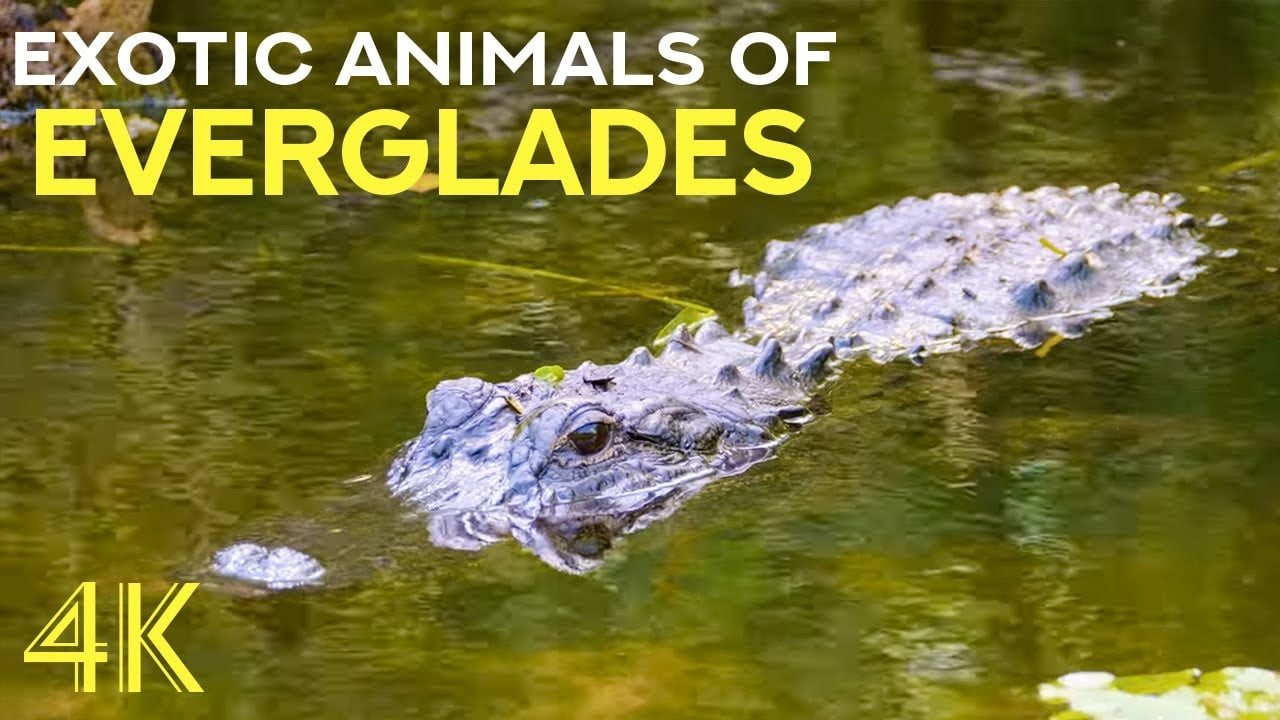
The crocodile was on the bank before I saw it, which is how it usually works. I was paddling the edge of a tidal creek off Chokoloskee Bay in early November, the water low and clear and the mangrove roots exposed in that particular way they have at low tide, each root system its own small architecture of shadow, and then there was a crocodile on the mud not eight feet from my bow, perhaps seven feet long, entirely still, mouth closed, watching me with the specific quality of attention that very old animals have. Not alarm. Not aggression. Simple assessment. I back-paddled once and held position and we regarded each other for what felt like a long time but was probably thirty seconds, and then it slid into the water without apparent urgency and was gone.
I have been carrying that moment for three years because of what happened next, which was nothing. No one else saw it. There was nothing to show anyone. And I realized, sitting there in the kayak while the water settled back to glass, that the checklist version of this experience, the one where you arrive with a laminated card and tick off species and photograph what you can and drive home feeling you have encountered the Everglades, would have produced a photograph of an empty mudbank and a notation that you had seen a crocodile.
The checklist is not wrong, exactly. The Everglades is one of the few places on the continent where a single serious day of attention can produce sightings of American crocodiles and American alligators, manatees, roseate spoonbills, snail kites, ghost orchids if you know where to look and have the patience for it, wood storks, river otters, dolphin in the passes, and any number of things you did not know you were going to see until you saw them. That density of wildlife is real, and it is one of the genuine arguments for the place in an era when genuine arguments are easy to manufacture and hard to verify. But the checklist framing, the one that travel content tends to reach for because it is concrete and searchable and satisfying to a reader who wants to know what they will get for their effort, does something reductive to the experience it is trying to describe.
What it removes is time. The Everglades is not a place that reveals itself quickly. The manatees I have seen most clearly were never the ones I was looking for. They were the ones that surfaced beside the kayak on a slow stretch of river when I had stopped thinking about wildlife entirely and was paying attention to something else, the way the light was hitting the water, the sound a great blue heron makes when it decides you are too close and lifts off with that particular low complaint. The roseate spoonbills that stopped me completely were not at a known viewing location with other people and telephoto lenses. They were in a shallow flat near Everglades City at dawn, three of them working the water in a light that made the pink of their feathers look like something the sun was doing rather than something the birds were, and I watched them for forty minutes from a distance that did not disturb them because I had arrived early and been quiet and not needed anything from them.
I had a conversation with a fishing guide out of Everglades City, a man who has been working these waters for over twenty years, who told me something about the ghost orchid that I have thought about since. The ghost orchid, Dendrophylax lindenii, grows in the deep swamp interior of the park, leafless and invisible except when it blooms, dependent on a single species of giant sphinx moth for pollination. It is extremely difficult to find and more difficult to reach and the number of them that survive is unknown because counting them requires entering habitat that most people cannot navigate and should not disturb. He said the ghost orchid is the correct symbol for the Everglades because it does not exist for observers. It exists entirely on its own terms, in conditions that suit it, serviced by a single moth in the middle of the night, and the fact that humans find it beautiful is incidental to everything that makes it possible.
That reframing unsettled me when he offered it, because I had been thinking about the Everglades as a place that could be experienced and documented and communicated, which is the assumption underneath every wildlife checklist and every travel article including this one. He was suggesting something different, which is that the place has its own internal logic that does not require or particularly benefit from being understood by visitors, and that the most honest relationship a visitor can have with it is one of genuine humility about that fact.
The spoonbills and the manatees and the crocodiles are not performing for you. The orchid is certainly not. They are doing what they do in the conditions that allow it, and the conditions that allow it are increasingly fragile, dependent on water management decisions made hundreds of miles away and restoration projects that have been ongoing for a quarter century and may require another quarter century before their effects are measurable.
What I have come to believe, after enough time in these waters to know how little I understand them, is that the most important thing a visitor can bring to the Everglades is not a checklist but a willingness to receive less than they expected and find that it was enough.
Donald Reeves writes about Everglades City the way the place deserves to be written about: without the brochure language, without the manufactured wonder, and without pretending that a town of 400 people sitting at the edge of a swamp is something it is not.
He has spent considerable time in Collier County’s oldest settlement, arriving during stone crab season when the waterfront smells of brine and work, and returning in the off-season when the tourists are gone and the town goes quiet in the particular way that only genuinely remote places can. He has paddled the mangrove tunnels of the Ten Thousand Islands, eaten at places with no hours posted on the door, and spoken at length with fishing guides who navigate these waters by memory rather than chart.
His writing on Everglades City FL covers everything from tidal fishing conditions and kayak trails to lodging, local history, and the complex past that most Florida travel content carefully avoids.
He writes to give readers the honest version.