About Everglades City, Florida
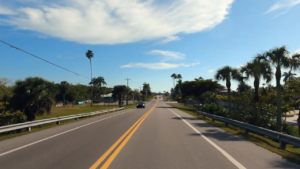
Everglades City is one of the areas of Florida that the tourism industry hasn’t yet fully penetrated. Nestled between the Big Cypress Swamp and the Gulf of Mexico on the state’s southwest border, it is encircled by mangrove tunnels, brackish water, and an almost intentional stillness. You have time to modify your expectations throughout the drive-in, which is a long, level route through cypress and sawgrass. This isn’t Miami. Orlando is not this. It is something much older and much stranger, and that is either its biggest flaw or its best feature, depending on your personality.
| Detail | Information |
|---|---|
| Place Name | Everglades City |
| State | Florida, United States |
| County | Collier County |
| Established | 1923 |
| Former Role | First county seat of Collier County |
| Population | Approx. 400 residents |
| Known For | Gateway to Ten Thousand Islands, fishing, mangrove waterways |
| Historic Industries | Commercial fishing, clam dredging, logging |
| City Hall Address | 102 Copeland Ave N, Everglades City, FL 34139 |
| Phone | (239) 695-3781 |
| Office Hours | Monday – Friday, 9:00 AM to 4:30 PM |
| Official Website | www.cityofeverglades.org |
Collier County’s first town and, for a while, its county seat, the city was founded in 1923. People are usually taken aback by that final element. With only a few shops and the former courtroom building now serving as city hall, it is difficult to imagine Copeland Avenue being the administrative hub of anything. However, the early 20th century had different ideas about Florida’s future, and Everglades City briefly seemed to matter in ways that larger places did not because of its access to water routes, its proximity to logging in what is now the Big Cypress National Preserve, and its commercial fishing and clam-dredging operations.
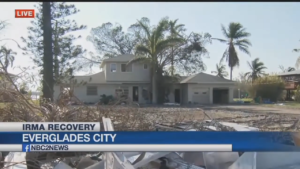
That’s not how it developed. The county seat was relocated. The population remained low. Currently, about 400 people live in Everglades City all year round; this number increases significantly during the fishing season. Walking about the hamlet, one gets the impression that the people who stayed were fully aware of what they were choosing-the seclusion, the heat, the flooding that comes with storm season and sometimes doesn’t go away fast enough. In 2017, Hurricane Irma struck especially hard, and as is typically the case in tiny towns with little resources, the recovery was sluggish and uneven. The town was reconstructed. It usually does.
Nowadays, the majority of visitors come for the water, which makes the trek worthwhile. The Ten Thousand Islands, a massive and mostly deserted archipelago of mangrove islands that runs along the southwest Florida coast, are accessible from Everglades City. Canoeists and kayakers make their way through tiny tunnels where the mangrove roots arch overhead and fragments of light emerge. These waters have been used by fishing guides for many centuries; captains who ran the same routes as their dads and grandfathers can be found here. In Florida, a state that has actively erased its own history for most of the last century, that kind of continuity is uncommon.
Here, too, it’s difficult to ignore the weight of a more complex past. Everglades City discreetly gained notoriety as a hub for drug smuggling in the late 1970s and early 1980s among those who paid attention to such things. Cocaine and marijuana were transported into the town from the Gulf via the same waterways that were useful for commerce and fishing. In the end, a federal sting operation resulted in the arrest of a large number of town people. Locals spoke about the episode’s impact with differing degrees of candor, and it poses difficult-to-answer concerns about geographic isolation and economic despair.
What’s left is a town that has established a more solid, if small, foundation in sport fishing, ecotourism, and a low-key charm that draws visitors weary of Florida’s more developed coastlines. The eateries around the seaside serve fresh seafood and stone crab in settings that are so modest they almost seem purposeful. Only very small communities have institutions like the Everglades City School, which serves students in Pre-K through 12th grade on a single campus. The fact that the school has survived at all speaks volumes about the community’s self-sufficiency.
The long-term future of a location like this is still unknown because low-lying coastal towns are becoming more challenging due to climate change and rising sea levels. Everglades City has flooded in the past and will do so once more. Like the heat, the water, and the egrets that stand motionless along the canal edges as if they have been there since the beginning and fully intend to stay, the question of whether that stays manageable or turns into something else entirely looms over the town with no clear answer.
Latest Posts

Oklahoma City Radio Stations, TV Channels, and Daily Sun Times: The Complete OKC Media Guide (2026)

Oklahoma City Wrongful Death Attorney and Personal Injury Lawyers: 10 Case Types, Your Rights, and Oklahoma Law

Oklahoma City Bombing: History, Death Toll, and How to Visit the National Memorial
Oklahoma City Public Schools Calendar, Lunch Menu, and University Costs: 2025-26 Guide

Oklahoma City Thunder Roster, Colors, Court, and Merchandise: Complete 2026 Team Hub
Oklahoma City Resident Services: Gas, Trash, Snow Routes, Tags, and Permits

How Far Is Oklahoma City from Dallas and Other Major Cities?
Hotels Near Oklahoma City Convention Center: 8 Options Compared by Zone and Nightly Rate in 2026
Oklahoma City Location Map: County, Coordinates, and Distance to 7 Major Cities
Oklahoma City Zip Code: Complete List and Map of All 75 OKC Zip Codes

Oklahoma City Obituaries: Where to Find Recent Deaths and OKC Obits (2026)
Oklahoma City Tourist Attractions: 9 Places to Visit and See in OKC (2026 Guide)
Fun Things to Do in Oklahoma City for Families: 7 Kid-Friendly Attractions, Prices, and Age Guides
Free Things to Do in Oklahoma City: 12 No-Cost Activities for Budget Travelers and Locals

Haunted Houses in Oklahoma City and Seasonal Events Guide: Full Annual Calendar by Month
Things to do in Everglades City
The majority of visitors to Everglades City will tell you that they were on the verge of missing it. It’s not exactly on its way to anything. The town itself is small enough that first-time tourists sometimes wonder if they have overshot it, and the trip southwest from Naples passes through patches of cypress and sawgrass that don’t promise much. The computation completely shifts when someone moves them in the direction of the water.
| Detail | Information |
|---|---|
| Destination | Everglades City, Florida |
| Known As | Stone Crab Capital of the World; Gateway to Ten Thousand Islands |
| Top Activity Categories | Airboat tours, kayaking, fishing, wildlife tours, eco tours |
| Top-Rated Operators | Captain Jack’s, Everglades City Airboat Tours, Down South, Tour The Glades, Wild Bones Expeditions |
| Key Attraction | Museum of the Everglades |
| Visitor Center | Gulf Coast Visitor Center, Everglades National Park |
| Nearby Natural Areas | Big Cypress National Preserve, Everglades National Park, Ten Thousand Islands |
| Best Season to Visit | November – April (cooler, fewer insects) |
| Admission to Museum | Free |
| Distance from Naples | Approx. 32 miles southwest |
| Official Tourism Website | visitevergladescity.com |
The Ten Thousand Islands, a maze of mangrove islands and shallow canals that extends for miles in all directions along the southwest Florida coast, start just beyond the town’s boundary. Without much question, the main reason to be here is to get out onto that water. Everglades City has been offering airboat tours for many years, and the operators have greatly improved the experience. In boats equipped with two-way communication headsets, Captain Jack leads people through the mangrove tunnel maze. This seems insignificant until you’re speeding through tight spaces and genuinely want to hear what the captain is saying. Groups of up to six can take private tours in the grasslands at Down South, which significantly alters the atmosphere. Having a guide’s undivided attention for an hour and a half is not the same as sharing an airboat with strangers.
The quieter and, in some respects, more revealing option is kayaking. Everglades Adventures, headquartered at the Ivey House, has been doing paddling tours for more than 30 years, which has given them enough experience to truly know where to go and when. At water level, the mangrove tunnels are a different world, with roots arching overhead, fragments of light coming through, and the occasional splash from something that would prefer to remain hidden. It felt genuinely leisurely, a quality that most Florida tourism experiences cannot match, according to a recent visitor. Booking in advance is worthwhile because the guided kayak tours fill up, particularly between December and March.
The reasoning behind traveling particularly to Everglades City for fishing, as opposed to any of the nearby options along the Gulf Coast, usually makes sense. Because they grew up on these waters, captains who operate charters out of here frequently have firsthand knowledge of them. Larger, more commercial operations seldom match the level of service provided by guides who work together throughout the day to determine where the fish are actually holding. The Ten Thousand Islands fishery produces snook, redfish, tarpon, and a rotating cast of other species depending on the season. Eight different species were caught in a single outing, according to a recent charter passenger. By every measure, that was a good day.
The fact that the Museum of the Everglades is located on the main street in a structure that was once a laundromat speaks to the town’s practical attitude toward its past. The collection covers the entire arc of Everglades City’s history, including the early Calusa settlements, the logging operations, the commercial fishing era, and the drug smuggling period, which locals discuss with varying degrees of openness depending on who asks. Admission is free, which seems appropriate for a place this size. It takes roughly ninety minutes to complete correctly, and it’s a more honest museum than most.
When you spend an entire day here, you get the impression that Everglades City functions best when you don’t rush through it. Groups are transported into Big Cypress National Preserve by Captain Steve’s Swamp Buggy Adventures in vehicles that appear improvised and ride appropriately—loud, bumpy, and strangely entertaining. Instead of merely repeating a script for tourist groups, Tour The Glades offers private wildlife tours with the kind of ecological knowledge that comes from a biology degree. Additionally, waterfront restaurants serve the stone crab, which the town claims as its own in a way that only small coastal towns can, in unadorned settings that suggest the food is the main attraction.
Whether Everglades City will ever build the infrastructure necessary to draw considerably more tourists is still up in the air. It is not encouraged by the roads. There are still few options for lodging. However, there is a case to be made that this is exactly what makes the experience worthwhile—a location where the wilderness hasn’t been smoothed out for comfort and where it still takes some work to find the things you come to do.
Population of Everglades City
Everglades City is one of those American communities where the population can be contained within a single city block of a large metropolitan area. Its 0.915 square miles were home to 352 people, with a median age of 44.8 years, 103 households, and 59 families, according to the 2020 U.S. Census. Although the range across various demographic surveys varies from 200 to 415, current predictions for 2026 place the figure closer to 415, depending on whose source you trust. This kind of variation is not a rounding mistake in a community this tiny. Who is truly present on any given day is the question.
| Detail | Information |
|---|---|
| City | Everglades City, Florida |
| County | Collier County |
| 2020 U.S. Census Population | 352 residents |
| 2026 Estimated Population | 415 residents |
| Annual Growth Rate | 2.47% |
| Total Area | 0.915 square miles |
| Population Density | 453 per square mile |
| Median Age | 44.8 years (Male: 49.9 / Female: 38.1) |
| Median Household Income | $57,400 |
| Per Capita Income | $56,750 |
| Poverty Rate | 17.5% |
| Racial Composition | 80.5% White, 18.5% Two or more races, 1% Native American |
| Total Households | 103 |
| Total Families | 59 |
| Official Reference | worldpopulationreview.com |
When 479 people and 230 homes were counted in the 2000 census, Everglades City was almost at its current height. That had slightly decreased to about 400 by 2010. After ten years of slow attrition, which picked up speed after Hurricane Irma hit in 2017 and evicted a significant portion of an already small population, the 2020 count fell even lower to 352. A few locals came back. Some didn’t. When one extended family leaves a community this size, the demographic needle shifts in ways that would not be noticeable in Naples or Fort Myers but are noticed right away on Copeland Avenue.
The trajectory seems to have reversed, which is quite unexpected when considering the more recent forecasts. According to the World Population Review, the population will reach 415 in 2026, an increase of about 2.47 percent per year since the post-hurricane low. Perhaps residents who manage charter operations, guide services, short-term rental homes, or small hospitality enterprises are being drawn by the gradual growth of ecotourism because they prefer the seclusion to the conveniences of a larger town. It’s also possible that the statistics are only moving within a small range, as they always have, and that the growth line will soon flatten once more.
It is worthwhile to consider the median age of 44.8 years. The average age of residents is 38.1 for women and 49.9 for men. This disparity is noteworthy and suggests that the demographics of outdoor guiding and commercial fishing, which have historically favored middle-aged men, have influenced the population. A distinct aspect of the same story is revealed by the 17.5 percent poverty rate. The poverty rate in Collier County is around twice that of the county as a whole, while the median household income is $57,400, which is not low by absolute standards. Economic instability has long been a background condition in a town established on seasonal labor and weather-dependent industry.
As you stroll through Everglades City, you get the impression that the population is practically irrelevant. The town features a fire station, a city hall, a school that serves students in Pre-K through 12th grade, and a few eateries and outfitters. These establishments are sized for a community that has never been huge and has no intention of growing. In particular, the school is the type of establishment that only thrives in truly small communities when the community views its future survival as a question of communal will rather than administrative efficiency.
The region’s racial makeup—80.5 percent White, 18.5 percent two or more races, and 1 percent Native American—reflects the region’s past more than its topography may indicate. Long before European settlers arrived, the Calusa people lived on these islands and waterways. The existence of Native Americans, albeit in small numbers, is a legacy that extends beyond the city’s 1923 founding date.
It’s difficult to ignore the fact that, on average, a town with 415 residents generates more inquiries per citizen than most places ten times its size. For a population this small, what does it mean to sustain municipal infrastructure? How many individuals must depart before the city government or the school is no longer viable? In Everglades City, these are real worries. They are the real math of a community that has spent the greater part of a century negotiating its own survival in secret and with little external notice.
Best Everglades City Restaurants
The idea is that dining in Everglades City is hardly a sophisticated experience. What the water produces, what the season permits, and what a community of about 400 people can reasonably support are the foundations of the eateries here. There aren’t any famous cooks. No menus for tastings. In many instances, the stone crab is taken from boats that dock close to the table where it is served, and this specific sequence of events is shorter than it is practically anywhere else in Florida.
| Detail | Information |
|---|---|
| Destination | Everglades City, Florida |
| Dining Style | Casual waterfront seafood, Old Florida cuisine |
| Signature Dish | Stone crab claws (seasonal: mid-October through May) |
| Top-Rated Restaurant | Camellia Street Grill (4.2 / 5 — 2,058 reviews) |
| Highest Yelp Rated | Triad Seafood Market & Cafe |
| Longest Running | Triad Seafood Market & Cafe (est. 1984) |
| Only Year-Round Option | Island Cafe |
| Most Unique | Wildman’s Pizza Pasta & Pythons |
| Historic Dining | Everglades Rod & Gun Club (cash only) |
| Only Cuban-American | Captain Morgan’s Seafood Grill |
| Price Range | $20–$60 per person |
| Official Dining Guide | visitevergladescity.com/eat |
The Camellia Street Grill’s waterfront location and seasonal operations provide insight into the local way of life. It consistently ranks at the top of review lists, not because it is technically ambitious, but rather because it offers what visitors come to Everglades City for: gator tacos for those who want something they can’t get at home, stone crab during the season, which runs from mid-October to May, and grouper sandwiches that taste like the Gulf. The key lime pie, which is cited in almost every review, has gained the kind of reputation that comes from repetition rather than promotion.
Since 1984, Triad Seafood Market and Cafe has been run by a family, making it a true institution in Florida. Situated on the Barron River, its screened porch with a view of the river on a sunny afternoon is the kind of place where people stay longer than they had intended. When it’s in season, the all-you-can-eat stone crab is the main attraction for seasoned patrons. For everyone else, the seafood baskets, which range from grouper and mahi mahi to fried alligator tail, cover enough ground to sate most appetites.
The stone crab on the menu is sourced from the restaurant’s own boats, which gives City Seafood a distinct advantage. That isn’t a claim made in marketing. What ends up on the plate is influenced by this logistical reality. The menu includes conch fritters, soft shell crab, and gator nibbles in addition to the stone crab that most patrons come for. The environment is casual, with picnic tables facing the Barron River. Additionally, there is a seafood market on the premises, which is worthwhile to be aware of if the meal makes you want to take something home.
A completely distinct register is occupied by the Everglades Rod and Gun Club. Presidents and other prominent people have dined on the building’s screened porch, and the physical space still holds some of that weight, making it historic in a way that very few Florida places can truly claim. Seafood platters and what the restaurant refers to as Swamp and Turf—a combination of steak and frog legs that, depending on who is reading it, sounds exactly right or absolutely wrong—are featured on the menu. Depending on how much cash you happen to be carrying, their refusal to accept credit cards might be either charming or inconvenient.
The fact that Captain Morgan’s Seafood Grill is Everglades City’s first Cuban-American eatery is noteworthy in a place whose eating options tend to focus on a rather limited variety of Old Florida customs. The sailor-baked entire red snapper is the type of meal that calls for a kitchen to truly pay attention, and the wild-caught shrimp tostones have gained popularity. The most talked-about dessert is the rum flan, but it has more flexibility than most restaurants in town thanks to the accompanying ice cream shop.
Then there’s Wildman’s Pizza Pasta and Pythons, which needs to be explained. Known locally and perhaps more widely as the Python Wildman, Dusty Crum operates a restaurant that sells pizza, calzones, pasta, and wings from a location that also symbolizes his efforts to eradicate invasive Burmese pythons from the Everglades habitat. By all accounts, the meal is really delicious. The setting is unparalleled in Florida dining, if not globally. It’s tough to ignore the fact that Everglades City has created a restaurant whose very existence would be hard to explain to someone who has never been.
Island Cafe deserves special recognition for being open all year long, even during the slower summer months when the majority of the town’s dining alternatives close. Deep-fried key lime pie is the dessert that most guests recall from breakfast, lunch, and supper. Reliability has its own value in a seasonal town, and the locals who rely on it know just where to look.
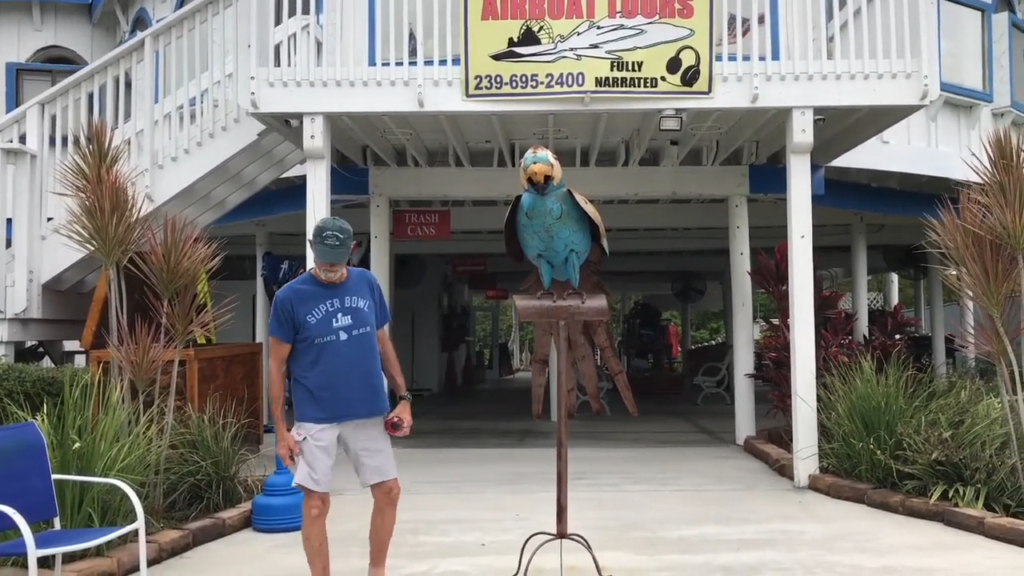
Everglades City Airboat Tours
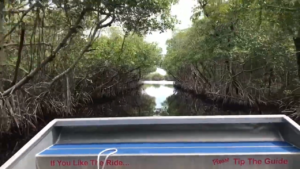
It’s a flat, industrial noise that travels over the lake and bounces off the mangrove walls, making it difficult to assess distances, even before the airboat clears the pier. After that, everything else takes a backseat as the boat moves. The channel gets smaller. Overhead, the trees close in. For the following fifty minutes or so, the Everglades becomes something you are physically within rather than just an abstract idea.
| Detail | Information |
|---|---|
| Activity | Everglades City Airboat Tours |
| Location | Everglades City, FL 34139 |
| Top Operators | Everglades City Airboat Tours, Captain Jack’s, Jungle Erv’s, Wooten’s, Down South |
| Oldest Operator | Wooten’s Everglades (est. 1953) |
| Original Everglades City Operator | Everglades City Airboat Tours (est. 1982) |
| Most Popular (TripAdvisor) | Everglades City Airboat Tours (4.8 / 5 — 2,553 reviews) |
| Tour Duration | 30 minutes to 2+ hours depending on package |
| Price Range | From $36 (grassland) to $309+ (private mangrove tunnel) |
| Operating Hours | 8:30 AM – 5:00 PM (most operators) |
| Wildlife Spotted | Alligators, manatees, dolphins, herons, roseate spoonbills |
| Key Feature | Two-way communication headsets (select operators) |
| Official Reference | captainjacksairboattours.com |
Since Everglades City has been operating airboat trips for a considerable amount of time, the industry has established its own hierarchy, loyalty, and subtle rivalries. Wooten’s Everglades is by far the oldest airboat tour company in southwest Florida, having been in business since 1953. Known locally as the Original, Everglades City Airboat Tours has been operating since 1982 and is currently in its fifth generation. Thanks to its mangrove tunnel passageways and two-way communication headsets, Captain Jack’s has amassed the highest review count in the region. These operations cannot be substituted. The same fundamental experience has been sculpted out in different ways by each.
The majority of visitors come for the mangrove tunnel tours, and the description doesn’t adequately convey the reality. The mangrove roots arch overhead in the tunnels, which are little openings where light enters in fragments through the canopy. It feels more like something with a quicker pulse than nature tourism in a 12-seat airboat speeding through those channels. Depending on who you ask, Jungle Erv’s operates its trips through a unique network of mangrove passageways that other operators cannot access. This is either a significant differentiator or a marketing ploy. The reviews seem to indicate that it is authentic.
The two-way headset, which Captain Jack’s and Everglades City Airboat Tours both highlight, seems to have altered the experience in ways that are more significant than they might first appear. Standing on a noisy platform wondering what you’re looking at is not the same as a guided tour where you can actually absorb knowledge about the ecosystem, ask questions mid-ride, and hear the guide clearly. The majority of the captains here were raised in or near Everglades City, so they possess a unique local knowledge that isn’t found in a training handbook. When a manatee surfaced beside the boat, one tour operator reportedly completely stopped the motor, allowing the animal to swim silently while guests cautiously pushed forward for a better glimpse. It’s hard to script a moment like that.
Wide skies, no canopy, and the ability to see alligators in the shallow water at large distances are features of the grassland trips, which traverse the open Everglades instead of the confined tunnels. Because Wooten’s operates on 259 private acres of grassland, it has flexibility and can show guests a size of the environment that is not possible with tunnel routes. With rates ranging from around $62 to over $100 depending on what’s included, the combo packages—a grassland airboat combined with a swamp buggy trip through cypress forest—have grown so popular that the majority of operators now offer some sort of bundled experience.
It’s difficult to ignore the fact that the boat trips themselves receive just as many reviews as the alligator-related extras, such as the concerts, the sanctuaries, and the chance to hold a baby animal. Every reservation at Captain Jack’s grants access to an hourly alligator show until 4 PM. According to the reviews, this part of the day occasionally leaves a more lasting impression on those traveling with kids than the airboat ride. It’s unclear if that’s a critique of the trips or the ongoing interest in big reptiles.
A completely different equation applies to private trips, which are offered by a number of operators and start at about $309 for parties of up to six. The intimacy of a private airboat alters the pace and the nature of what’s possible because there are no strangers, no background noise, and a captain who is solely focused on your party. According to reports, guides on private excursions have changed their itineraries in the middle of the trip in response to wildlife sightings, spending an additional twenty minutes with a great blue heron that was nesting, which would have been a quick stop on a group tour.
Most people think that November through April is the greatest time to visit because the heat is tolerable, there are fewer insects, and animals like to congregate near water. Operators provide summer trips, but the experience is different; it’s slower, heavier, and requires greater tolerance for circumstances that the Everglades unapologetically produce.