
The Airbnb listing described it as a waterfront retreat with authentic Florida charm. The couple who booked it drove down from Orlando on a Friday in March, turned off the Tamiami Trail, and called me from the parking area behind the ranger station. They had expected a town. What they found was Everglades City.
I do not say that as a criticism of the place. I say it as a description of the gap between what the townsizing trend is selling and what a working fishing community of under five hundred people actually is. Those are different things, and the travel content produced around small-town Florida is working very hard to obscure that difference.
Townsizing is the dominant travel framing of 2026. HomeToGo, Priceline, and Fodor’s have all named small-town travel as their lead trend. Sixty-six percent of Airbnb stays now occur in places with no hotel infrastructure. The content around this trend emphasises authenticity, slower pace, and access to nature, which are real qualities that real places have.
The problem is that the trend has developed an aesthetic version of those qualities that does not map onto places like Everglades City. Authentic, in townsizing content, means tastefully rustic and conveniently accessible. Slower pace means a weekend without meetings. Access to nature means a kayak rental with clear signage and a coffee shop nearby.
Everglades City has one road in. The low tide smell at seven in the morning is not decorative. The mosquitoes in late spring are not a manageable inconvenience. The town does not have a boutique, a wine bar, or a reliable cell signal in several directions from the waterfront.
What it has is people who have been here through Irma and before Irma and through the rebuilding that happened after Irma with very little outside help. It has fishing guides who know the Ten Thousand Islands by memory and airboat operators who have been fighting permit battles with federal agencies for two decades. It has a stone crab season that the town orients itself around completely, and a September that belongs entirely to the people who live here.
The couple from Orlando stayed one night and left the next morning. They told me the town was beautiful but quieter than they expected. I did not ask what they had expected, because the listing had already told me. It had described a place designed for the version of small-town life that travel content promises. Everglades City is not that place and has not agreed to become it.
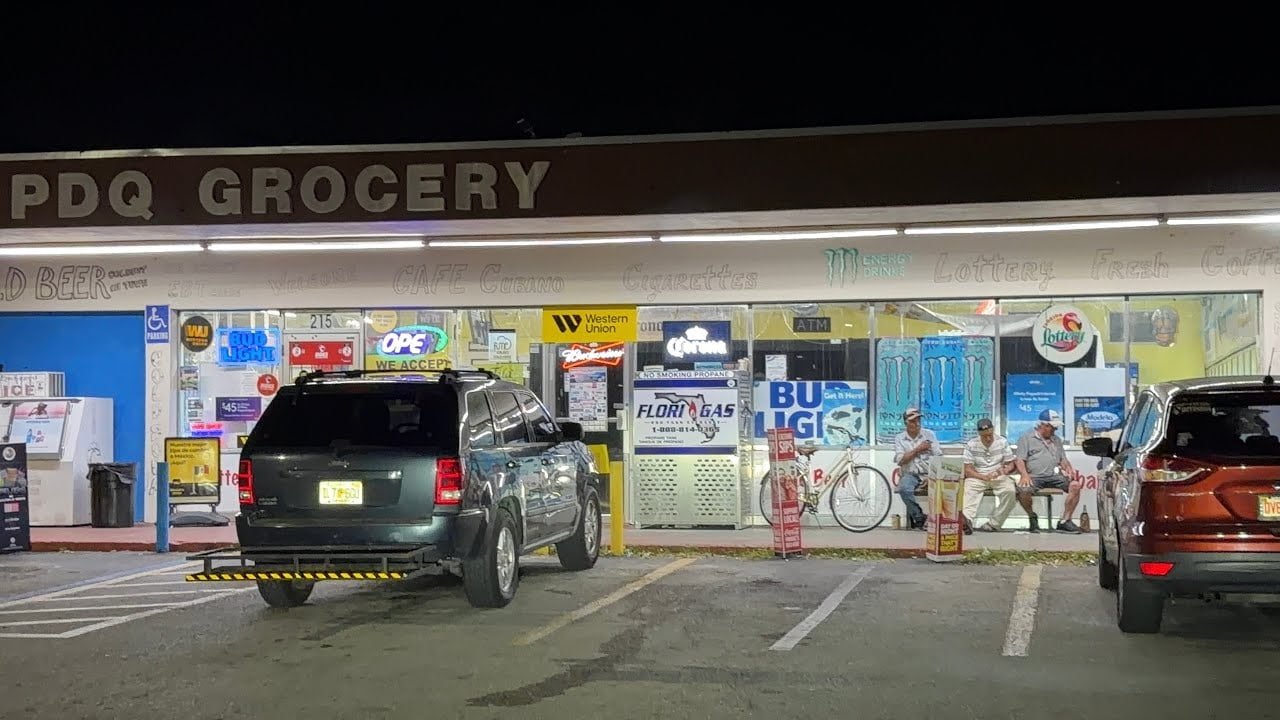
What concerns me about the townsizing trend arriving at communities like this one is not the individual visitors. Most of them are decent people looking for something real. What concerns me is the infrastructure the trend builds around places that cannot absorb it without changing. Short-term rental pressure in a town with under five hundred residents is not a minor market adjustment.
I spoke with a woman last October who had lived on the same street near the waterfront for thirty-one years. She told me she had watched three houses on her block convert to short-term rentals in the previous two years. She was not hostile about it. She was measuring the distance between what the town had been and what it was becoming.
The travel publications positioning Florida’s small coastal communities as townsizing destinations are not lying about what those places contain. They are describing real water and real wildlife and real quiet. What they are not describing is the community that exists inside that landscape and what it costs that community to absorb tourist volume it was not built to handle.
Everglades City is not performing smallness for anyone. The one road in is not a lifestyle feature. The absence of traffic lights is not a selling point the town selected. These are the conditions of a place that exists for its own reasons.
The townsizing trend will send people here who are looking for a curated version of what this town actually is. Some of them will be disappointed. A smaller number will be stopped by something they did not expect, the way the light goes gold and flat over the water in the late afternoon, the way a brown pelican ignores you completely, the way the quiet here is not peaceful but simply indifferent to your presence.
Those people may come back. The town will tolerate it, the way it tolerates everything, on its own terms and without adjusting to meet them.

Donald Reeves writes about Everglades City the way the place deserves to be written about: without the brochure language, without the manufactured wonder, and without pretending that a town of 400 people sitting at the edge of a swamp is something it is not.
He has spent considerable time in Collier County’s oldest settlement, arriving during stone crab season when the waterfront smells of brine and work, and returning in the off-season when the tourists are gone and the town goes quiet in the particular way that only genuinely remote places can. He has paddled the mangrove tunnels of the Ten Thousand Islands, eaten at places with no hours posted on the door, and spoken at length with fishing guides who navigate these waters by memory rather than chart.
His writing on Everglades City FL covers everything from tidal fishing conditions and kayak trails to lodging, local history, and the complex past that most Florida travel content carefully avoids.
He writes to give readers the honest version.