
A Nakano and Shinjuku tour covers 2 of Tokyo’s most distinct neighborhoods within a single day. Nakano is 10 minutes from Shinjuku by the JR Chuo Line and offers anime subculture, vintage shopping, and local food culture. Shinjuku delivers 4 major experiences: Shinjuku Gyoen National Garden, Golden Gai, Kabukicho entertainment district, and the Tokyo Metropolitan Government Building observation deck.
What Are Nakano and Shinjuku in Tokyo?
Nakano and Shinjuku are 2 adjacent neighborhoods in western central Tokyo, both accessible from Shinjuku Station, the world’s busiest train station by passenger volume. Nakano is a residential and subculture district known for otaku (anime and manga fan) culture. Shinjuku is a commercial, entertainment, and transit hub covering both high-rise corporate towers and narrow atmospheric alleyways. For context, see our previous guide on Jordan Davis Tour 2026: Ain’t Enough Road Tour Dates, Cities, Tickets, and Setlist Guide.
The 2 neighborhoods attract 3 distinct visitor types:
- Anime and manga enthusiasts drawn to Nakano Broadway and Mandarake
- Nightlife and food tourists exploring Shinjuku’s Golden Gai and Omoide Yokocho
- General sightseers visiting Shinjuku Gyoen and the Tokyo Metropolitan Government Building
How Far Is Nakano from Shinjuku?
Nakano Station is 10 minutes from Shinjuku Station by the JR Chuo Line. The train runs frequently and costs approximately 170 yen (IC card fare). Walking between the 2 stations covers approximately 4 kilometers and takes 50 minutes, making the train the practical option for a single-day itinerary.
|
Route |
Journey Time |
Cost |
|---|---|---|
|
JR Chuo Line (Shinjuku to Nakano) |
10 minutes |
Approx. 170 yen |
|
Walking (Shinjuku to Nakano) |
50 minutes |
Free |
|
Taxi (Shinjuku to Nakano) |
15 minutes |
Approx. 1,000-1,500 yen |
What Are the Top Attractions in Nakano?
Nakano has 6 primary attractions centered on shopping, subculture, and local neighborhood culture.
What Is Nakano Broadway?
Nakano Broadway is a 13-floor shopping complex located 5 minutes north of Nakano Station, open daily from 10:00 to 20:00. It contains over 350 shops and is recognized as one of Japan’s leading destinations for anime, manga, vintage toys, and collectibles. The mall originally opened in 1966 and now houses numerous shops selling goods related to anime, manga, and subculture, making it a well-known symbol of Japan’s otaku culture.
Nakano Broadway contains 4 notable retail categories:
- Mandarake – A chain operating over 30 stores inside the complex, selling secondhand manga, figures, and vintage collectibles
- Vintage watch dealers – Shops including JACKROAD, Fire Kids, and Universal Value
- Retro toy stores – Multiple floors of gachapon machines and vintage Japanese toy collections
- Everyday retail and food – A basement level with grocery stalls, eateries, and household shops
What Is Nakano Sun Mall?
Nakano Sun Mall is a 224-meter covered shopping arcade stretching north from the North Exit of Nakano Station. A huge variety of shops gather under one roof, including smaller stores specializing in vintage clothing and music, big chains like Don Quijote, and numerous cafes and restaurants. Fujiya Camera, located near the arcade, stocks one of Tokyo’s largest selections of new and used cameras.
What Other Attractions Are in Nakano?
Nakano has 4 additional attractions beyond its shopping districts.
- Tetsugakudo Park – A park featuring philosophical monuments and sculptures, open year-round and free to enter
- Araiyakushi Baishoin Temple – A Buddhist temple originally dating to the 16th century, approximately 15 minutes on foot from Nakano Station
- Nakano Central Park – A green space suitable for rest between shopping stops, located north of the Broadway complex
- Numabukuro Hikawa Shrine – A Shinto shrine offering traditional ema (wish plaques) and seasonal festivals
What Are the Top Attractions in Shinjuku?
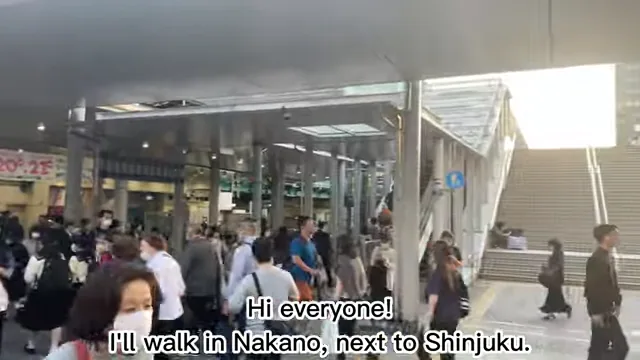
Shinjuku has 6 primary attractions covering gardens, nightlife, entertainment, and panoramic views.
What Is Shinjuku Gyoen National Garden?
Shinjuku Gyoen National Garden is a 58-hectare public garden open Tuesday to Sunday from 9:00 to 18:00 (last entry 17:30). The garden contains a formal French section, an English landscape section, a Japanese traditional garden, and a tropical greenhouse. Admission costs 500 yen for adults. The garden is closed on Mondays and prohibits alcohol inside its boundaries.
It is most recognized for cherry blossoms in late March to early April, with over 1,000 trees of 65 varieties making it one of the best hanami (flower-viewing) spots in Tokyo. The nearest access is a 10-minute walk from Shinjuku Station South Exit, or 5 minutes from Shinjuku Gyoenmae Station on the Marunouchi Line.
What Is Golden Gai in Shinjuku?
Golden Gai is a cluster of approximately 200 tiny bars arranged across 6 narrow alleys in Kabukicho, east of Shinjuku Station. Each bar holds between 5 and 8 people and carries its own theme, including jazz, punk rock, cinema, and vintage magazines. Most bars open after 18:00 and charge a cover fee of 500 to 1,000 yen per person. Visitors should look for bars displaying English-language signs or visible price boards before entering.
What Is Kabukicho in Shinjuku?
Kabukicho is Shinjuku’s primary entertainment district, located east of Shinjuku Station. The biggest recent addition is Tokyu Kabukicho Tower, a 48-story complex that opened in 2023 containing a cinema, a 1,500-seat live music venue, an arcade floor, a food hall, and hotel accommodation. The Godzilla Head, installed atop the Toho Building in 2015, is photographed from street level at the Kabukicho Ichiban-gai intersection.
What Is Omoide Yokocho?
Omoide Yokocho (Memory Lane) is a network of narrow alleyways northwest of Shinjuku Station, filled with approximately 60 small eateries. The lanes contain dozens of tiny restaurants serving ramen, soba, sushi, yakitori, and kushiyaki, with many establishments consisting of a single counter with chairs. The alleyways date to the 1940s and retain their postwar architectural character.
What Is the Tokyo Metropolitan Government Building?
The Tokyo Metropolitan Government Building is a 48-story twin-tower complex in Shinjuku offering a free public observation deck on the 45th floor. On clear days, Mount Fuji is visible from the observation deck. An evening projection mapping show featuring Godzilla also runs at the building. The building is accessible from Tochomae Station or a 10-minute walk from Shinjuku Station West Exit. No advance booking is required.
What Is the Best Order to Tour Nakano and Shinjuku in 1 Day?
A 1-day Nakano and Shinjuku itinerary follows a morning-to-evening sequence across 5 time blocks.
- 9:00 AM – Arrive at Nakano Station via JR Chuo Line from Shinjuku; begin at Nakano Sun Mall
- 10:00 AM – Nakano Broadway opens; allow 1.5 to 2 hours for the complex’s 13 floors
- 12:30 PM – Lunch in Nakano at local izakaya or food stalls within the Broadway basement
- 14:00 PM – Travel to Shinjuku (10 minutes by JR Chuo Line); visit Shinjuku Gyoen before 17:30 closing
- 17:30 PM onward – Shinjuku evening starting with Omoide Yokocho for dinner, then Golden Gai or Kabukicho for nightlife
What Are the Best Food Options on the Nakano and Shinjuku Tour?
The Nakano and Shinjuku tour offers 8 distinct food experiences across both neighborhoods.
- Nakano Broadway basement stalls – Fresh sushi, bento boxes, and Japanese sweets served from market-style counters
- Nakano Sun Mall street food – Savory snacks and grilled items from independent vendors along the 224-meter arcade
- Omoide Yokocho, Shinjuku – Yakitori (grilled chicken skewers), ramen, and sake in alleyway stalls open from evening
- Isetan Shinjuku food basement – Prepared bento boxes, sushi, and Japanese confectionery from one of Tokyo’s premier department store food halls
- Kabuki Yokocho food hall – Located inside Tokyu Kabukicho Tower, serving multiple Japanese cuisine styles under one roof
What Should You Know Before the Nakano and Shinjuku Tour?
Visitors should prepare 5 items before starting a Nakano and Shinjuku tour.
- IC card (Suica or Pasmo) – Required for seamless train travel between Nakano and Shinjuku stations; also accepted at Shinjuku Gyoen gates
- Cash – Many Nakano Broadway shops and Golden Gai bars do not accept credit or IC card payments
- Early arrival at Nakano – Nakano Broadway opens at 10:00; arriving before 11:00 avoids weekend crowds in Mandarake
- Closed Monday check for Shinjuku Gyoen – The garden is closed every Monday (or the following day if Monday is a public holiday)
- Shinjuku Station exit awareness – The station has over 200 exits; use West Exit for the Tokyo Metropolitan Government Building, East Exit for Kabukicho and Golden Gai, and South Exit for Shinjuku Gyoen
Mobile data coverage is consistent across both neighborhoods. Google Maps and Navitime both provide accurate real-time train guidance between Nakano Station and Shinjuku Station on the JR Chuo Line.

Donald Reeves writes about Everglades City the way the place deserves to be written about: without the brochure language, without the manufactured wonder, and without pretending that a town of 400 people sitting at the edge of a swamp is something it is not.
He has spent considerable time in Collier County’s oldest settlement, arriving during stone crab season when the waterfront smells of brine and work, and returning in the off-season when the tourists are gone and the town goes quiet in the particular way that only genuinely remote places can. He has paddled the mangrove tunnels of the Ten Thousand Islands, eaten at places with no hours posted on the door, and spoken at length with fishing guides who navigate these waters by memory rather than chart.
His writing on Everglades City FL covers everything from tidal fishing conditions and kayak trails to lodging, local history, and the complex past that most Florida travel content carefully avoids.
He writes to give readers the honest version.