
Iguazu Falls tours provide access to 275 individual waterfalls spanning 2.7 kilometers along the border of Argentina and Brazil. The falls are a UNESCO World Heritage Site, one of the 7 Natural Wonders of the World, and taller than Niagara Falls at 82 meters at their highest point – Devil’s Throat.
What Are Iguazu Falls Tours?
Iguazu Falls tours are guided excursions that cover the Argentine side, the Brazilian side, or both sides of Iguazu Falls within their respective national parks. Tours include hotel transfers, national park entry, and access to trail circuits, boat rides, and ecological train transport through the subtropical rainforest. They depart from Puerto Iguazu in Argentina and Foz do Iguacu in Brazil. For context, see our previous guide on Jay Shetty Tour: 6 Key Facts About the On Purpose Live Tour, Dates, and Tickets.
Iguazu National Park was declared a UNESCO World Heritage Site in 1984 for its scenic beauty and subtropical rainforest biodiversity. The park covers 67,620 hectares and was established in 1934.
What Is the Difference Between the Argentine and Brazilian Sides?
The Argentine side covers 80% of the 275 waterfalls and offers close-up walkways, elevated trails, and boat rides below the falls. The Brazilian side focuses on panoramic vantage points. The Argentine side is for experiencing the falls; the Brazilian side is for viewing them.
What Are the 5 Types of Iguazu Falls Tours?
There are 5 main types of Iguazu Falls tours. These are day tours, 2-day tours, private tours, adventure tours, and multi-day packages. Each covers different circuits, durations, and levels of access to the falls.
What Is Included in a 1-Day Iguazu Falls Tour?
A 1-day tour covers either the Argentine or Brazilian side in a single visit. Guided full-day tours of the Argentine side include boat rides, truck and train rides through the subtropical rainforest, and hotel pickup and drop-off from Puerto Iguazu. Entry fees and transfers are typically included.
What Is Included in a 2-Day Iguazu Falls Tour?
A 2-day tour covers both the Argentine and Brazilian sides across consecutive days. Visitors explore the full falls system from boardwalks, raised viewpoints, and trail circuits on each side, with cross-border logistics managed by the guide.
What Is a Private Iguazu Falls Tour?
A private Iguazu Falls tour assigns a licensed local guide exclusively to one group. Licensed guides manage all cross-border logistics in advance, ensuring smooth immigration between Brazil and Argentina with personalized itineraries optimized for comfort and timing.
What Is an Adventure Tour at Iguazu Falls?
An adventure tour combines trekking, 4×4 vehicles, and boat rides within Iguazu National Park. Tours travel through backcountry roads to Puerto Macuco, then board a boat for a 3.7-mile trip along the Lower Iguazu River to Tres Mosqueteros Waterfall and San Martin Waterfall.
What Are Multi-Day Iguazu Falls Packages?
Multi-day packages range from 3 to 4 nights and combine both sides of the falls with additional excursions. Options include birdwatching, kayaking, the Triple Frontier, and the Itaipu Dam. Packages from Buenos Aires with return flights start from $399 per person.
How Much Do Iguazu Falls Tours Cost?
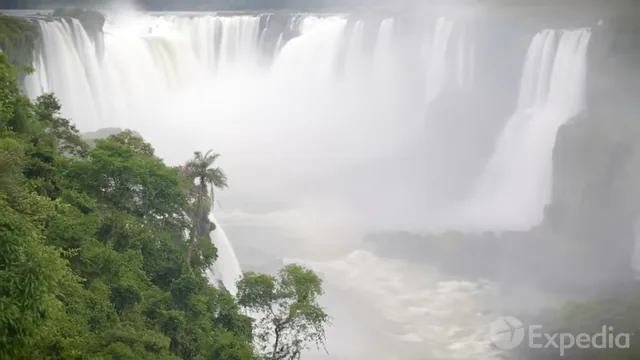
Iguazu Falls tour prices range from $54 to $900 per person, depending on tour type, duration, and inclusions. The table below outlines standard pricing:
|
Tour Type |
Duration |
Average Price Per Person |
|---|---|---|
|
1-Day Argentine Side |
Full day |
$54 – $120 |
|
1-Day Brazilian Side |
Full day |
$54 – $120 |
|
2-Day Both Sides |
2 days |
$180 – $399 |
|
Private 2-Day Tour |
2 days |
$350 – $650 |
|
3-Day Package |
3 days |
$399 – $700 |
|
Multi-Day with Flights |
4-5 days |
$700 – $900 |
What Are the Iguazu Falls Entry Fees?
The Iguazu Falls entrance fee on the Argentine side is approximately USD $18 for adults and USD $5 for children up to 12 years old. The entrance fee on the Brazilian side is approximately USD $18 for adults and USD $3 for children up to 11 years old. Most guided tours include these fees in their listed booking price.
What Are the Key Circuits and Attractions at Iguazu Falls?
There are 5 main circuits and attractions within Iguazu National Park on the Argentine side:
- Devil’s Throat Circuit – 2,200 meters, accessible in approximately 90 minutes, with direct views of the largest waterfall in the system
- Upper Circuit – 1,750 meters, approximately 2 hours, with panoramic views from above the falls
- Lower Circuit – 1,700 meters, approximately 1 hour 45 minutes, with close-up views from below the cascade walls
- Macuco Trail – 3,500 meters of rainforest trekking, approximately 2 hours, ending at the 20-meter Arrechea waterfall
- Rainforest Ecological Train – a 3,700-meter ride with stops at the upper and lower circuits and Devil’s Throat, departing every 30 minutes
What Is Devil’s Throat at Iguazu Falls?
Devil’s Throat (Garganta del Diablo) is the horseshoe-shaped cataract forming the most dramatic section of Iguazu Falls, reaching 82 meters in height. It holds 14 separate falls within its U-shape and spans nearly 150 meters in width. About half of the river’s total flow falls into this chasm. The canyon is 80 to 90 meters wide and 70 to 80 meters deep, according to Wikipedia’s documented measurements sourced from geological surveys.
When Is the Best Time to Visit Iguazu Falls?
The best time to visit Iguazu Falls is in the cooler months between May and September. High season runs between December and February, with hot temperatures and high tourist volumes.
|
Season |
Months |
Conditions |
|---|---|---|
|
Best Season |
May – September |
Mild temperatures, fewer crowds |
|
Rainy Season |
November – March |
High water volume, heavy rainfall |
|
High Season |
December – February |
Hot weather, peak tourist numbers |
|
Shoulder Season |
March – May, August – October |
Balanced weather and crowd levels |
The best time within a day is early morning, around 8 AM, to avoid crowds. Weekdays from Tuesday to Friday have smaller crowds compared to weekends and local holidays.
What Wildlife Can You See During Iguazu Falls Tours?
The national parks surrounding Iguazu Falls are home to around 2,000 plant species, 80 tree species, and 400 bird species including the Harpy Eagle. Wild cat species such as ocelots and jaguars, tapirs, giant anteaters, and howler monkeys also inhabit the park.
5 commonly sighted species on guided tours include:
- Coatis – frequently seen along boardwalks on both sides
- Toucans – identified in the subtropical rainforest canopy
- Capuchin monkeys – visible on trails throughout the Argentine side
- Butterflies – over 2,000 species recorded within the park
- Jaguars – present in the protected interior of both national parks, rarely sighted
What Documents Do You Need for an Iguazu Falls Tour?
A valid passport is required to cross between Argentina and Brazil, with immigration checks at each crossing. US, Canadian, and Australian citizens need a Brazilian eVisa starting April 10, 2025, for short tourist stays.
3 documents to prepare before booking an Iguazu Falls tour:
- Valid passport – required for cross-border tours between Argentina and Brazil
- Brazilian eVisa – required for US, Canadian, and Australian citizens entering Brazil
- Tour voucher – provided by the operator, containing pickup times and border-crossing details
How Do You Get to Iguazu Falls?
There are 3 main ways to reach Iguazu Falls:
- By air from Buenos Aires – a 2-hour flight to Puerto Iguazu Airport (IGR). This is the fastest option.
- By bus from Buenos Aires – an 18 to 20-hour journey from Retiro Bus Terminal to Puerto Iguazu
- By air from Sao Paulo or Rio de Janeiro – direct flights into Foz do Iguacu Airport (IGU) for travelers on the Brazilian side
A taxi from Puerto Iguazu to the Argentine park entrance costs approximately $20 to $25. A bus from Foz do Iguacu to the Brazilian park entrance takes 20 to 30 minutes.
Iguazu Falls has 275 waterfalls, with 80% on the Argentine side. Visiting both sides is recommended to experience the full scale of the system – the Argentine side for close-up immersive access along elevated walkways, and the Brazilian side for sweeping panoramic views of the complete waterfall system.

Donald Reeves writes about Everglades City the way the place deserves to be written about: without the brochure language, without the manufactured wonder, and without pretending that a town of 400 people sitting at the edge of a swamp is something it is not.
He has spent considerable time in Collier County’s oldest settlement, arriving during stone crab season when the waterfront smells of brine and work, and returning in the off-season when the tourists are gone and the town goes quiet in the particular way that only genuinely remote places can. He has paddled the mangrove tunnels of the Ten Thousand Islands, eaten at places with no hours posted on the door, and spoken at length with fishing guides who navigate these waters by memory rather than chart.
His writing on Everglades City FL covers everything from tidal fishing conditions and kayak trails to lodging, local history, and the complex past that most Florida travel content carefully avoids.
He writes to give readers the honest version.