
The man at the fuel dock did not look up when he said it. He was coiling a rope with the automatic efficiency of someone who has done it ten thousand times, and the conversation had been going for maybe four minutes, and somewhere in the middle of my asking him about the summer he just said: “We don’t need any more people finding us.” Then he finished the coil, set it down, and went back inside. I stood there for a moment with my coffee going cold and thought about that sentence for the rest of the day.
That was October, two years ago. The stone crab season had just opened, and the waterfront had the particular smell it gets that time of year — brine and diesel and something organic underneath both of them, the smell of the estuary doing its work — and there were boats going out before first light and coming back mid-morning with the traps already run. The town was occupied with itself. That is the right word for it. Not busy in the way that implies performance. Occupied. The way a person is occupied when they are doing something that actually matters to them.
I had been reading, before that trip, the usual accumulation of travel content that surrounds Everglades City in the way kudzu surrounds a fence post. The phrases arrive in clusters. Sleepy fishing village. Old Florida. Authentic. And the one that has lately started appearing in headlines with such regularity that it has become its own kind of pollution: hidden gem. I counted seven uses of that phrase across nine pieces of travel writing published in the twelve months before my visit. Seven. For a town of fewer than five hundred people on a two-lane road that dead-ends at a marina.
The phrase is not a description. It is a signal. It tells a particular kind of reader that here is a place that has not yet been processed, that retains some quality of realness that more famous destinations have lost, that the reader can access and feel good about accessing because they found it before it was ruined. What the phrase does not say, because travel writing rarely does, is that the finding is the beginning of the ruining. The gem stops being hidden the moment you publish its coordinates.
I do not think the writers using the phrase intend harm. I think most of them came here, felt something genuine about the place, and then reached for the closest available language to describe it. The closest available language happened to be dishonest. That is a failure of attention, not malice. But the effect on the place is the same regardless of intent.
What I have heard from people who live here, said in various ways and with various degrees of directness depending on how long they have known me, is that the traffic has changed. Not in volume — Everglades City is still not a place you stumble into accidentally, and the road in is still the road in — but in quality. The visitors who arrive now, or some meaningful fraction of them, arrive holding a version of the town they assembled from travel content, and they are not entirely seeing what is actually here. They are checking the assembled version against the reality and feeling mildly disappointed when the reality does not perform on cue. The roseate spoonbill does not always appear. The sunset is sometimes obscured by cloud. The restaurant with no hours posted on the door is closed on Tuesdays, and there is no way to know that until you are standing in front of it on a Tuesday.
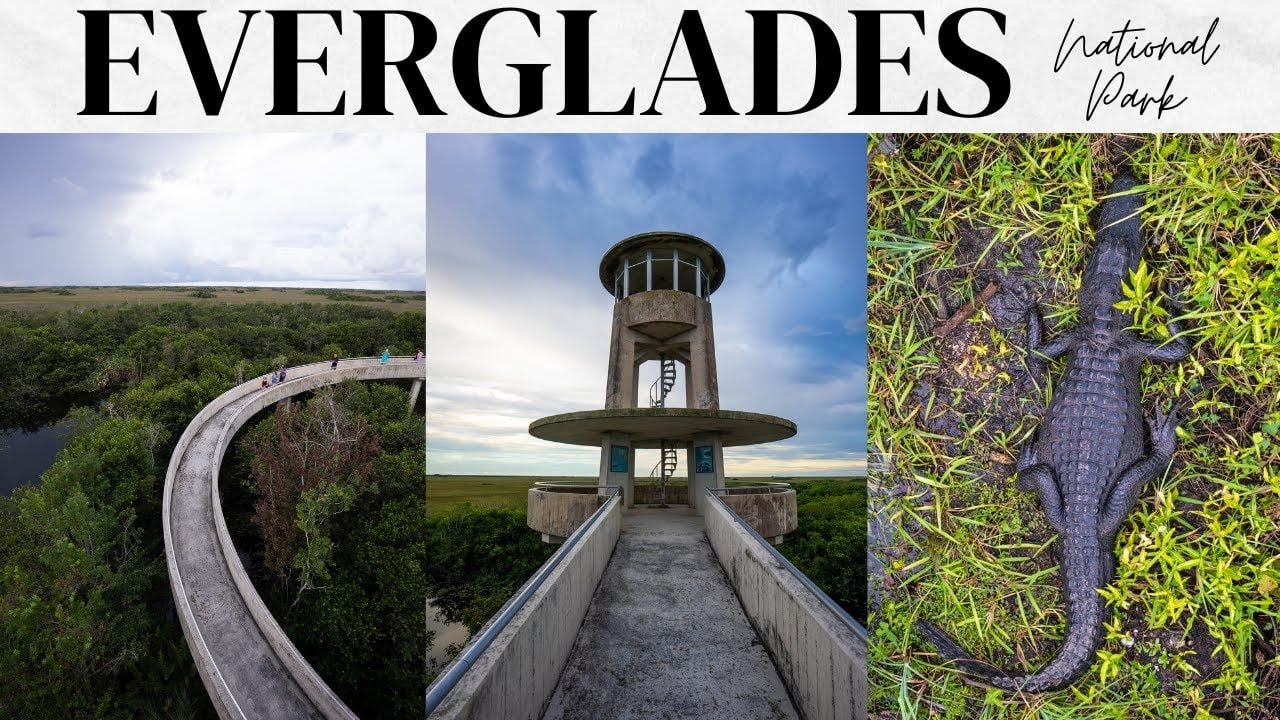
The man at the fuel dock has lived here his whole life, minus four years in the navy and six months after Irma when the house was uninhabitable. He came back from the navy because he missed the water and he could not explain the water to anyone who had not grown up on it. He came back after Irma because this was his town and he was not going to let a hurricane take it from him. He said both of these things to me at different points over different visits, not as declarations but as facts, the way people state facts about things that are simply true.
What travel writing cannot carry, and what the hidden gem phrase specifically forecloses, is the weight of that kind of attachment. The phrase implies discovery. It implies that the value of a place resides in its being found by someone from outside it. Which is almost precisely the opposite of how Everglades City actually works, of what makes it the specific place it is rather than an interchangeable backdrop for the correct kind of experience.
The things that make this place itself — the fishing guides who know where the snook are holding by reading the current, not a screen; the women at Triad who have been cracking stone crab since before most of the visitors were born; the specific silence of the town on a Wednesday in August when the heat has driven everyone inside and the only sound is the occasional mullet breaking the surface of the canal — none of these things are here for the visitor. They are here because this is where people live, and living requires them.
I keep coming back because the place has not yet decided to be anything other than what it is. That is rarer than any travel writer’s phrase can say, and it will stay rare only as long as enough people resist the temptation to say it too loudly.
The man at the fuel dock knew that. He went back inside. I think he had the right idea.
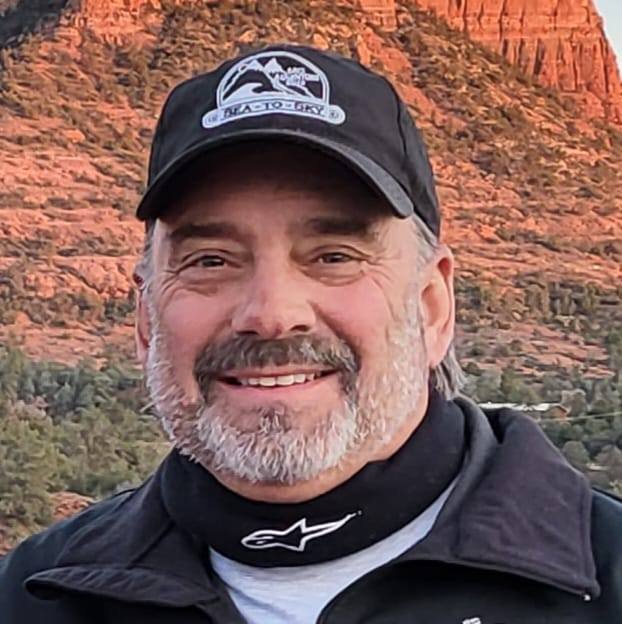
Donald Reeves writes about Everglades City the way the place deserves to be written about: without the brochure language, without the manufactured wonder, and without pretending that a town of 400 people sitting at the edge of a swamp is something it is not.
He has spent considerable time in Collier County’s oldest settlement, arriving during stone crab season when the waterfront smells of brine and work, and returning in the off-season when the tourists are gone and the town goes quiet in the particular way that only genuinely remote places can. He has paddled the mangrove tunnels of the Ten Thousand Islands, eaten at places with no hours posted on the door, and spoken at length with fishing guides who navigate these waters by memory rather than chart.
His writing on Everglades City FL covers everything from tidal fishing conditions and kayak trails to lodging, local history, and the complex past that most Florida travel content carefully avoids.
He writes to give readers the honest version.