
The stone crab claw arrived without ceremony. No slate board, no ramekin of aioli with a microherb on top, no explanation of provenance or season or the name of the boat that caught it. Just the claw on a piece of wax paper, a small cup of mustard sauce the color of old ivory, and a wooden mallet that had been used so many times it had developed a particular patina in the grip. I picked up the mallet. I hit the claw. The shell cracked in a way that felt correct, deeply correct, the way certain sounds do when they match an expectation you did not know you had, and I ate the meat and sat for a moment with the particular aftertaste of something that came out of cold salt water that morning and has not been improved upon since.
That was my third visit to Triad Seafood. I have been back nine times since. The experience is functionally identical each time, which is entirely the point and which most food writing would not know how to value.
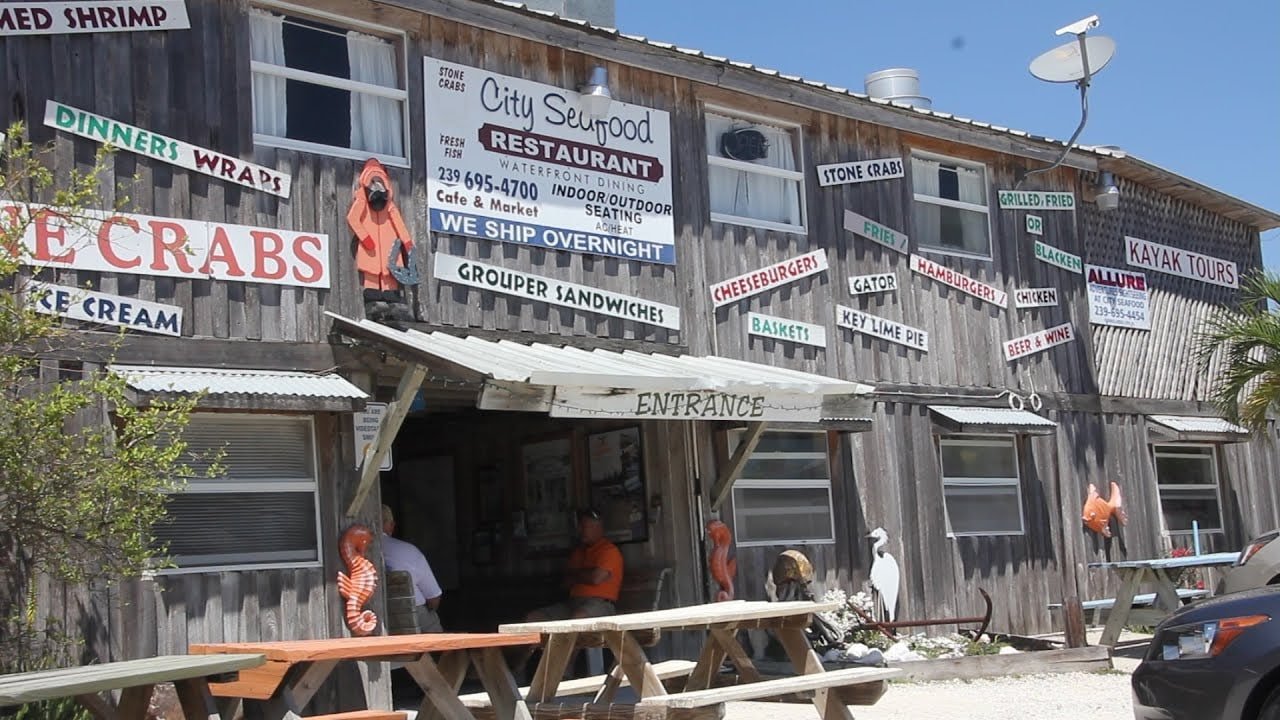
Triad occupies a low building on the waterfront in Everglades City, directly on the working dock, and on stone crab season mornings the smell outside is everything the smell inside eventually becomes: brine and cold shell and the particular marine note of water that has mangrove tannin in it. The interior is the kind of interior that food stylists would describe as rustic and that is actually just a room arranged for the purpose of serving seafood to people who want seafood, without supplementary decoration or the lighting choices that signal a restaurant trying to be reviewed. There are tables. There is a counter. The menu is on a board and it does not change much and it does not need to.
The stone crab is what people come for, and specifically they come for stone crab that has not traveled. That is a distinction that sounds small until you have eaten both versions and cannot afterwards go back to accepting the alternative. The stone crab at Triad comes from water you can see from where you sit. The boats that ran the traps this morning are tied at the same dock the building sits on. Between the water and the table there is almost nothing, and that almost nothing is the entire argument of the place, stated without words and without any evident awareness that it constitutes an argument.
What surprised me, on my first visit, was not the food. I had been told about the food by people whose opinions on the subject I trusted. What surprised me was a conversation I overheard between a woman behind the counter and a man who had apparently been coming in every October for fifteen years, and whose order she knew before he finished asking for it, and whose wife’s health she asked about by name, and to whom she said, when he mentioned that he had tried to bring a friend from Miami who had decided the drive was too far: “He doesn’t know what he’s missing.” She said it without any particular feeling about it. As a statement of fact. And the man nodded in the way people nod when something is true and not worth arguing about.
That exchange is the thing I keep returning to when I try to explain why no food critic has properly reviewed Triad, and why the absence of serious critical attention is not an accident or an oversight but something closer to a structural inevitability. The restaurant exists in a relationship with its place and its community that the review apparatus was not designed to see. The Michelin framework, and the various publications that operate within adjacent assumptions, are built to evaluate restaurants that are performing a version of themselves for an audience they have anticipated. Triad is not performing anything. It is simply doing what it does, for the people who come to it, in the place where it has always been. That is a distinction that is easy to say and genuinely difficult to put through a scoring rubric.
The food criticism that occasionally reaches Everglades City tends to treat Triad as a colorful local detail, the kind of place you mention in a paragraph about authentic Florida before returning to the restaurant in Naples that has a sommelier and a publicist. This is a failure of attention dressed as generosity. The writer has been here, technically. They have eaten the crab, technically. What they have not done is sit in the same chair enough times to understand what Triad is actually doing, which is not providing a seafood experience but maintaining a relationship between a landscape and a community that has survived multiple hurricanes, economic contractions, regulatory fights, and the steady pressure of a tourism economy that is always trying to turn functioning places into versions of themselves suitable for wider consumption.
I was here on a September afternoon when the stone crab season had not yet opened and the waterfront was quiet in the absolute way it gets when the visitors have gone and the work has not yet started. The light over the water was the gold-going-flat color of late Florida afternoons in the shoulder season, and there were pelicans on the dock pilings doing nothing in particular, and the smell was low tide over mangrove mud, which is an honest smell that does not invite tourism. Triad was open. I ate mullet, which was what they had, and drank sweet tea that was too sweet in the way I have stopped complaining about, and there was nobody else in the building and the woman behind the counter was doing paperwork and we did not talk much.
That meal will not appear in any publication. It was not a meal designed to appear anywhere. It was a meal that existed because a building has been in this place for a long time, doing this one thing with consistency and without apology, and because I happened to be here on a Tuesday in September when there was nothing else open and nowhere else I needed to be.
The best things a place offers are usually the ones it does not know it is offering. Triad Seafood does not know it is the best seafood restaurant in Florida. It is just open. That is the whole of it.
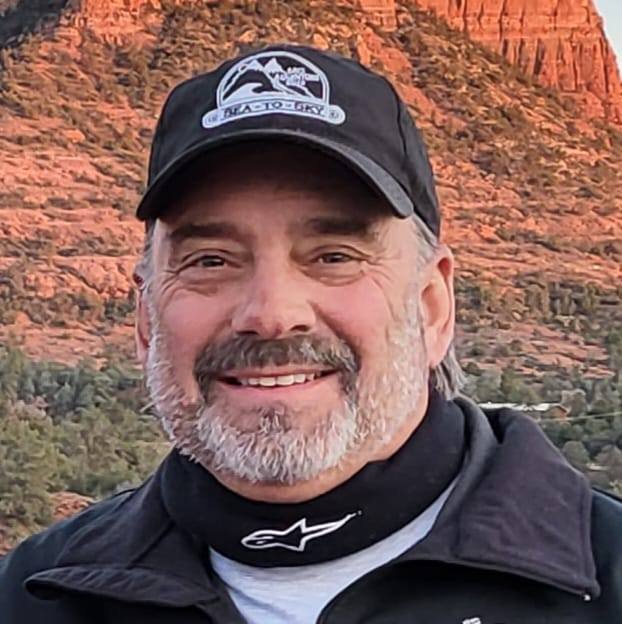
Donald Reeves writes about Everglades City the way the place deserves to be written about: without the brochure language, without the manufactured wonder, and without pretending that a town of 400 people sitting at the edge of a swamp is something it is not.
He has spent considerable time in Collier County’s oldest settlement, arriving during stone crab season when the waterfront smells of brine and work, and returning in the off-season when the tourists are gone and the town goes quiet in the particular way that only genuinely remote places can. He has paddled the mangrove tunnels of the Ten Thousand Islands, eaten at places with no hours posted on the door, and spoken at length with fishing guides who navigate these waters by memory rather than chart.
His writing on Everglades City FL covers everything from tidal fishing conditions and kayak trails to lodging, local history, and the complex past that most Florida travel content carefully avoids.
He writes to give readers the honest version.