
The first thing I noticed was the concrete. Not dramatically — it was not an aggressive pour, not the kind of infrastructure that announces itself — but it was there in a way it had not been before, pale and precise at the edge of the water, and standing at the Gulf Coast Visitor Center launch after the renovation I had the particular feeling of someone who has come back to a room that has been repainted in almost the same color. Everything is technically improved. Something is different in a way that is hard to name and slightly difficult to accept.
I had been paddling from this launch for six years, in various conditions and various states of preparation, and I had developed the kind of familiarity with a place that comes not from mastery but from repeated contact with its specific inconveniences. The old ramp was uneven in a way that required you to approach it at an angle if your boat had any draft at all. The bank to the left held mud that would take a boot if you stepped wrong in the first hour of outgoing tide. The staging area was narrow enough that two kayaks side by side created a small logistical problem that everyone solved differently and nobody solved well. These were not problems I wanted fixed, exactly. They were part of the texture of leaving from that place, the small negotiations with a landscape that has not been arranged for your convenience.
The renovation addressed all of them. The ramp is level. The bank has been stabilized. The staging area is wider, with clearly designated zones that suggest someone consulted a diagram of optimal flow. The bathrooms work properly and smell the way bathrooms should smell when they have been recently attended to. A new interpretive panel explains the mangrove ecosystem in language that is accurate and thorough and that nobody who has paddled these tunnels with any attention needs to read.
I spent an hour at the launch before I put a boat in, watching people arrive and listening to what they said to each other, which is something I do more than I probably should but which tells you more about a place in transition than any single conversation.
The recreational paddlers, most of them, were pleased. Unambiguously. The wider staging area solved a problem they had experienced, the level ramp was better for the older couple who arrived with a tandem sit-on-top and were clearly managing someone’s bad knee, and the new signage told them things they wanted to know. Their approval was genuine and I did not think it was wrong. The launch is more functional. More people can use it more easily. That is not a trivial thing.
The paddlers who had been coming here for years said less. One woman, who runs a kayak guide service out of Everglades City and whose knowledge of the mangrove trail system is thorough in the way that only comes from having led hundreds of trips and gotten turned around and found your way back and then led hundreds more, stood at the new ramp for a moment before launching and said: “It looks like a park now.” She did not say it with particular bitterness. She said it the way you acknowledge a fact that has several implications, and then she pushed off and was gone into the tunnel, which has not changed, which the renovation could not touch without becoming something else entirely.
What she meant, I think, is something that is hard to argue with even if you wanted to. The Gulf Coast launch has always been a threshold — the point at which the managed, maintained, interpretable part of the Everglades gives way to something that does not care about your comfort or your schedule and will disorient you without malice if you let it. The water past the first mangrove bend does not become easier to navigate because the ramp that put you there is now level. The GPS still loses confidence inside the tunnels. The tides still move on their own schedule, and if you have misjudged your timing the return trip will take longer than the outbound and you will know it from the moment you turn around by the resistance in the water.
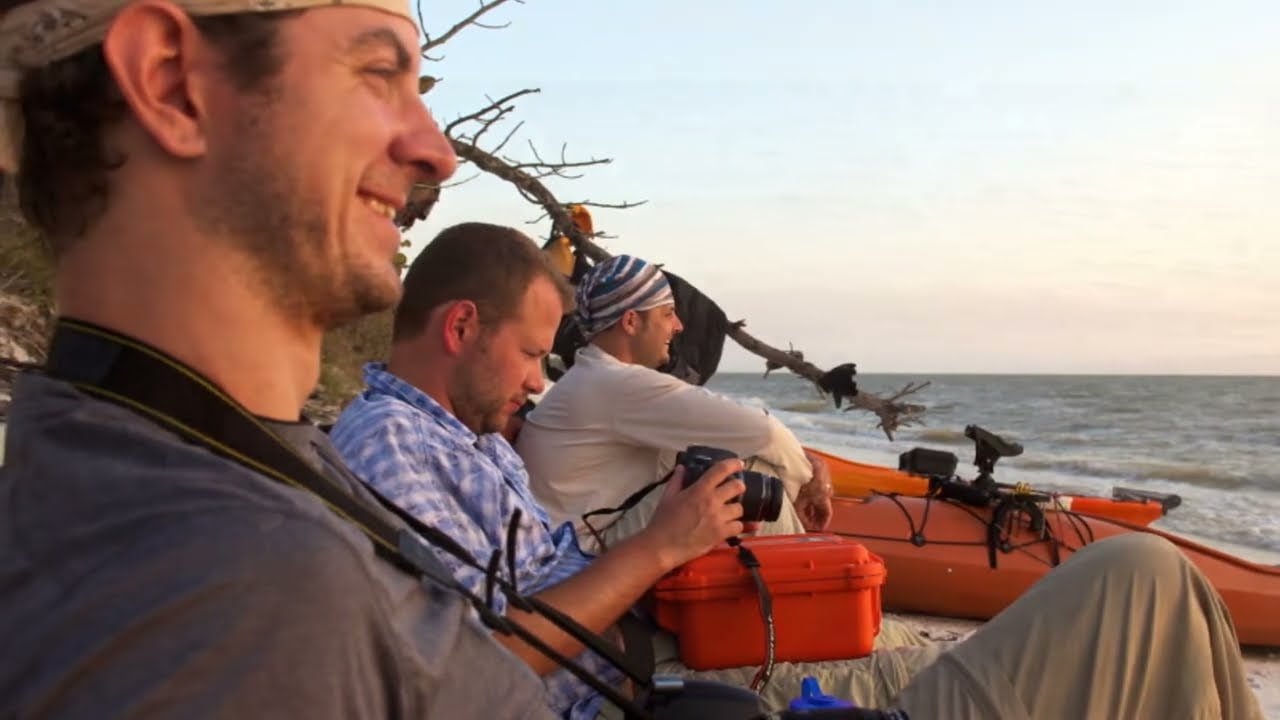
What a better ramp does, at the margin, is make the threshold easier to cross. More people can reach it with less preparation. Some of them will be fine. Some of them will go further than they should and the park rangers will have a longer afternoon because of it. The launch cannot know the difference. It can only provide access.
The paddling community’s opinion about the renovation, such as it is, is not unified, which should not surprise anyone who has spent time around paddling communities. The recreational contingent is satisfied. The guides are measured, acknowledging the functional improvements while holding some private accounting of what has been traded. The people who have been coming here since before the first renovation, before the visitor center was what it is now, before Everglades City became a word that appeared in travel content with regularity — those people mostly did not say much when I asked them, which is its own kind of answer.
I paddled the first two miles of the Wilderness Waterway after launching, the route that takes you through the tunnels and out into the first open water, and the water was the same dark tannin color and the red mangrove roots arched over the channel in the same configurations and a great white egret stood in the same improbable stillness on a root ball to the left of the main channel, and none of that had anything to do with the ramp I had launched from.
The Everglades will absorb the renovation the way it absorbs most things people build at its edge. Without comment. Without adjustment. The concrete will weather. The interpretive panel will fade. The water will continue doing what it has been doing since before there was anyone here to launch from a ramp into it.
That is not a criticism of the renovation. It is just the longer view of what renovation means when the thing being renovated is a threshold to something that does not particularly notice you.

Donald Reeves writes about Everglades City the way the place deserves to be written about: without the brochure language, without the manufactured wonder, and without pretending that a town of 400 people sitting at the edge of a swamp is something it is not.
He has spent considerable time in Collier County’s oldest settlement, arriving during stone crab season when the waterfront smells of brine and work, and returning in the off-season when the tourists are gone and the town goes quiet in the particular way that only genuinely remote places can. He has paddled the mangrove tunnels of the Ten Thousand Islands, eaten at places with no hours posted on the door, and spoken at length with fishing guides who navigate these waters by memory rather than chart.
His writing on Everglades City FL covers everything from tidal fishing conditions and kayak trails to lodging, local history, and the complex past that most Florida travel content carefully avoids.
He writes to give readers the honest version.