
The mullet jumped twice in the canal behind the Rod and Gun Club before I understood I was the only person watching. It was just past six in the morning, the sky doing that particular thing it does here in October when the light comes in low and gold across the water and everything casts a shadow twice its length, and the town was so quiet I could hear the fish land. Not the splash. The actual sound of the body hitting the surface. That is the kind of quiet Everglades City keeps when nobody is visiting it.
I have been coming here for seven years. I keep coming back for the same reason most people never come at all, which is that it asks something of you before it gives anything back.
The town sits at the end of a road that narrows gradually, as if it is making up its mind about whether to let you through. Thirty-five miles south of Naples on the Tamiami Trail, which is itself a road that rewards patience and punishes anyone who confuses flat with simple. You pass the ranger station, pass the small cluster of buildings that constitutes the commercial district if you are being generous, and then you are at the water, the Ten Thousand Islands beginning at your feet, the Gulf of Mexico somewhere beyond them, and there is no further. That geographical fact shapes everything about the town. There is one way in and one way out, no traffic lights, one gas station that keeps its own hours, and a population that hovers around four hundred depending on the season and whether you count the people who winter here or only the ones who stay through August.
August is when the town shows you what it actually is. The stone crab season does not open until October, the Seafood Festival is months away, and the tourists who found the place on a travel blog have been gone since spring. The humidity in August is not weather so much as climate, something you move through rather than exist in, and by ten in the morning the heat coming off the pavement has a physical weight. I walked the main street one August morning and passed three people in forty minutes, one of whom was walking a dog that had clearly resigned itself to Florida. The restaurants that stay open are the ones that have always been there, serving grouper sandwiches and stone crab claws to the same people who have been eating there since before the place had a Wikipedia page.
I had a conversation that August with a man named Thomas who had been running a small fishing guide operation out of the marina for over thirty years. He did not particularly want to be interviewed, which I respected, so we just talked. He said something I have been thinking about since, which was that the years after Hurricane Irma were harder than the storm itself. The storm took things. The years after it, he meant the bureaucratic years, the permitting years, the insurance years, the years of dealing with agencies and adjusters and recovery programs designed for places with more political weight than a town of four hundred people, those were the years that actually tested whether Everglades City would survive as a working waterfront or become something else entirely. He said it without bitterness, which was more unsettling than anger would have been.
Irma came through in September 2017 with a storm surge that put most of the town underwater. The photographs from that week are still difficult to look at. What came after was what always comes after in small places with low property values and complicated federal land adjacencies, which is a long silence from the institutions that are theoretically designed to help, and then the town putting itself back together largely through the kind of mutual assistance that does not generate press releases. Most of the people I have spoken to here who were present for both the storm and the recovery describe the recovery as the more revealing event.
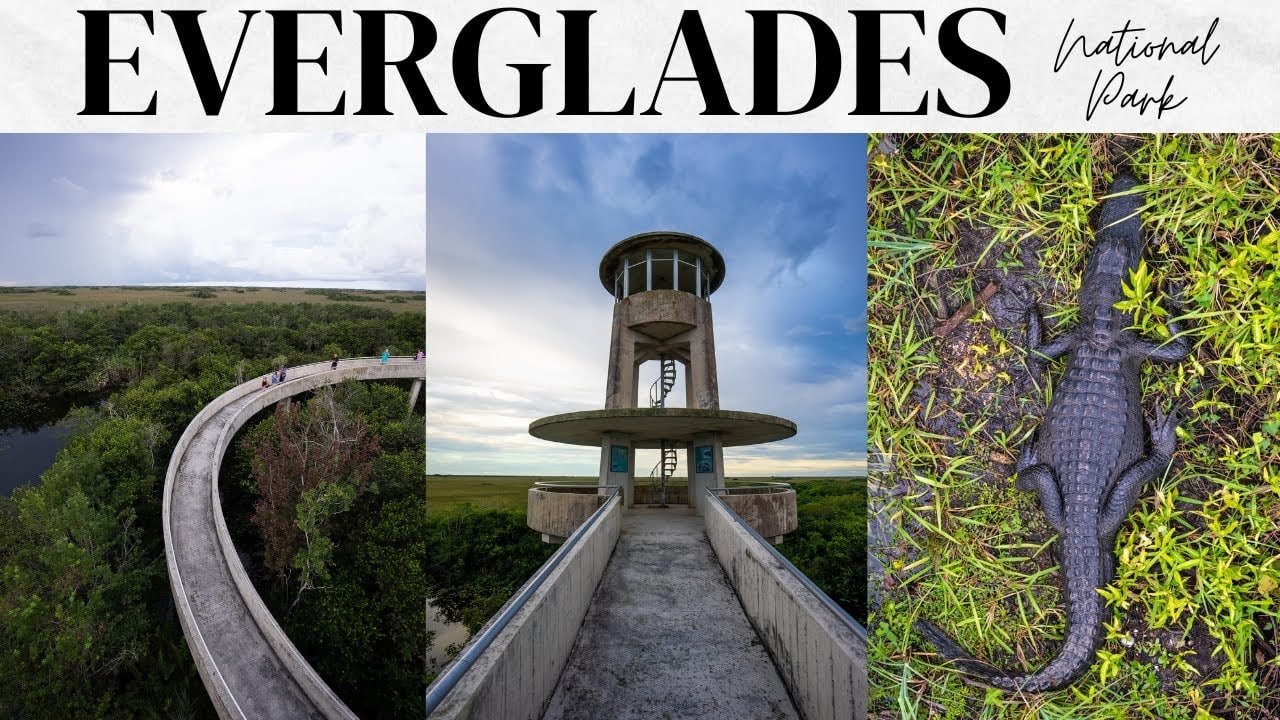
The travel content about Everglades City has been growing for several years now, and I watch it with the complicated feeling of someone who found a place early and knows what attention eventually costs it. The content is not wrong, exactly. The kayak trails through the mangrove tunnels are genuinely extraordinary, the kind of waterway where the canopy closes completely overhead and the light filters through in green columns and your GPS begins to express uncertainty, which is an experience that has no equivalent I am aware of in the continental United States. The stone crab at Triad Seafood is what it is supposed to be, which is the best version of the thing, fresh in a way that the same species served three hours north in a white tablecloth restaurant simply cannot replicate. The roseate spoonbills that feed in the shallows at dawn are a colour that looks digitally enhanced until you understand that reality occasionally exceeds what seems plausible.
But the content always frames these things as discoveries, and discovery implies that something was waiting to be found, which is a way of making a place passive, of turning it into scenery for someone else’s narrative. Everglades City was not waiting. It was here, working, fishing, rebuilding, arguing with federal agencies about airboat permits, sending its children to school in Naples because there is no high school, keeping its own hours.
What I have come to understand, after seven years and multiple Octobers and one August I would not trade, is that the most honest thing you can say about Everglades City is also the least useful for a travel platform: it is not for everyone, it does not want to be, and the version of it worth knowing is the one that exists on its own terms, not the one that has been prepared for your arrival.
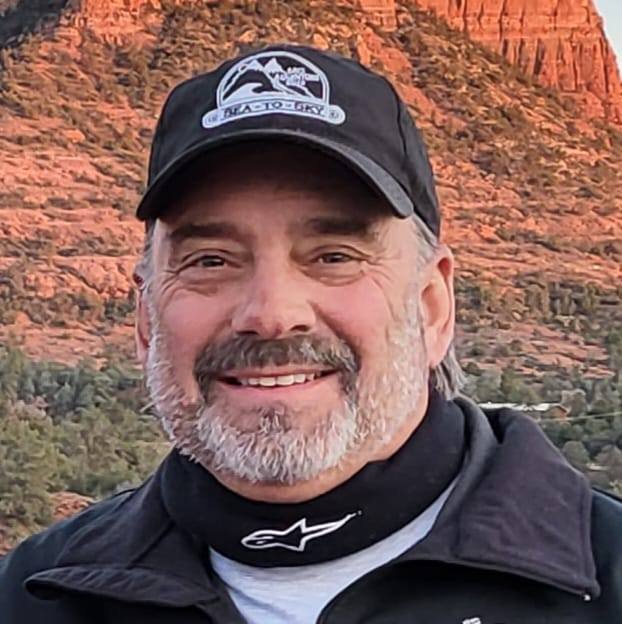
Donald Reeves writes about Everglades City the way the place deserves to be written about: without the brochure language, without the manufactured wonder, and without pretending that a town of 400 people sitting at the edge of a swamp is something it is not.
He has spent considerable time in Collier County’s oldest settlement, arriving during stone crab season when the waterfront smells of brine and work, and returning in the off-season when the tourists are gone and the town goes quiet in the particular way that only genuinely remote places can. He has paddled the mangrove tunnels of the Ten Thousand Islands, eaten at places with no hours posted on the door, and spoken at length with fishing guides who navigate these waters by memory rather than chart.
His writing on Everglades City FL covers everything from tidal fishing conditions and kayak trails to lodging, local history, and the complex past that most Florida travel content carefully avoids.
He writes to give readers the honest version.