
On the second afternoon I stopped paddling and let the kayak drift in the middle of a channel I was not entirely sure I could identify on the chart, and I sat there for a while listening to the mangroves. Not because I needed to rest, though I did. Because I had been paddling since before dawn and I had covered something like twelve miles and I had not, in all that time, seen another person, and the quality of that solitude had shifted somewhere in the middle of the day from something I had sought into something that was simply the condition I was living inside, the way weather is a condition rather than a choice. A mullet jumped somewhere behind me. The water closed back over it without sound. I looked at my hands on the paddle shaft and thought: this is not the trip I planned.
Which is to say it was better in certain ways and considerably harder in others, and the ratio between those two things was not one I had calculated correctly before I put in at the Gulf Coast Visitor Center in Everglades City three days earlier.
I had paddled the Everglades before in shorter stretches, always with a guide or another person, always on routes that had been confirmed and timed and explained to me beforehand. Three days alone on a section of the Wilderness Waterway was something I had been considering for two years, and I had prepared in the ways that the resources available to me said to prepare. I had the charts. I had the permit for the chickee platforms where you sleep suspended above the water on wooden docks because there is often nothing else to sleep on. I had the water filter and the dry bags and the VHF radio and the float plan lodged with the appropriate people. I had read everything I could find about paddling this system alone.
What I had not prepared for was the navigation.
The Ten Thousand Islands earn their name. The channels between them are not uniformly marked, and the mangrove keys do not have the kind of visual distinctiveness that makes orientation natural. From water level, which is where you are in a kayak, the landscape presents itself as a repeating series of green walls and open water, and the specific configuration of those walls changes with every turn in a way that your brain, primed to look for landmarks, cannot easily catalog. I had GPS on my phone and a compass and printed charts in a waterproof case, and on the afternoon of the first day I spent forty minutes paddling in the wrong direction before I accepted what the compass was telling me and reversed course. The GPS had been showing me in the right channel. The GPS was wrong. I do not entirely understand why it was wrong. I know that it was.
The guide I had spoken to before the trip, the one who has been running charters through these waters for thirty years, had told me to trust the compass over everything else. I had heard him say it and I had not fully absorbed it, because I was accustomed to environments where GPS is simply correct and the backup is never needed. This was the first and most specific thing I would do differently. I would spend time before the trip practicing compass navigation in conditions that do not offer GPS as a fallback, so that when the fallback is unavailable the compass is not a last resort but a first language.
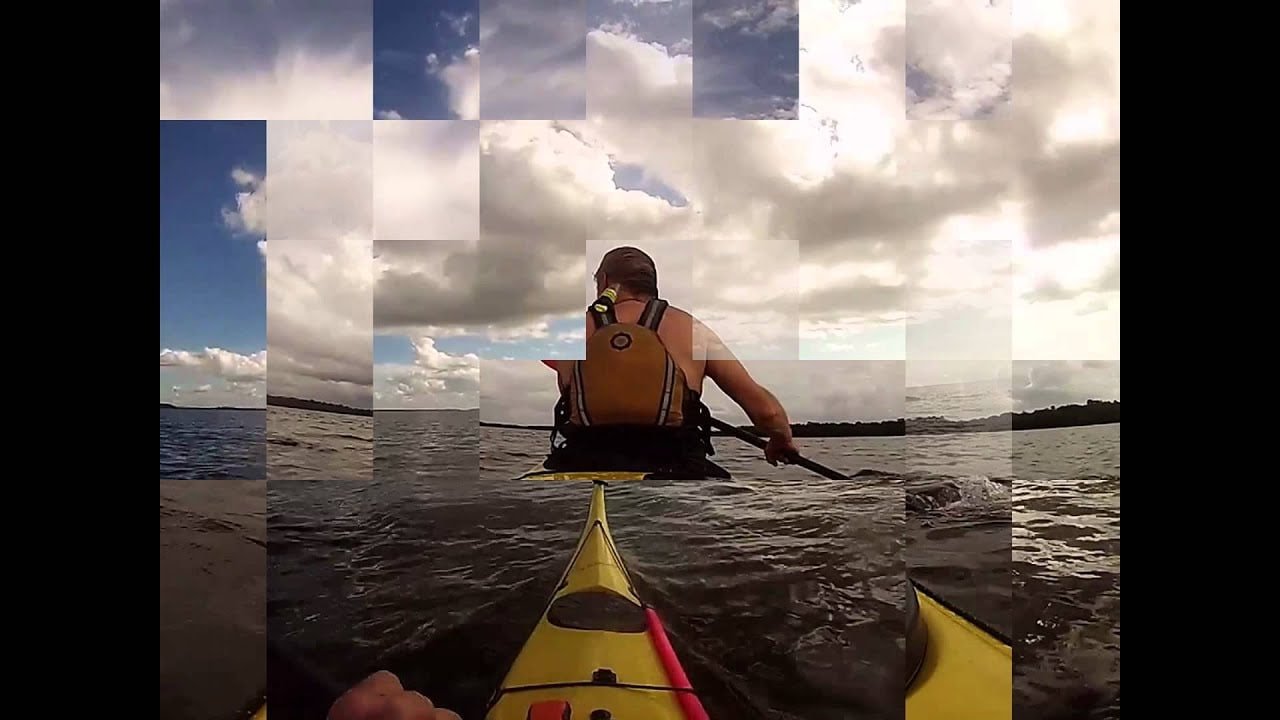
The second thing is harder to categorize because it is less a practical matter than a psychological one. I had imagined three days alone in the Everglades backcountry as a particular kind of experience, the kind that travel writing about wilderness tends to describe in terms of clarity and perspective and the restoration of something that ordinary life depletes. There is some truth in that. The evening of the second day, sitting on the chickee platform as the light went flat and gold over the water and an osprey hunted the shallows a hundred yards out, was one of the more complete moments of attention I have managed in recent years. I was not thinking about anything except what was in front of me, which is rarer than it should be.
But the days were long in ways I had not anticipated. Not long with boredom but long with physical effort that did not stop when I wanted it to stop, because the tide times and the campsite distances made demands that my preferences could not override. On the third day I paddled four miles into a headwind to reach the take-out and the last hour of it was purely a matter of continuing to move the paddle until the dock appeared, with no available thought beyond the mechanics of the stroke. I have done harder physical things. I have not done many things that required such sustained, undecorated persistence.
What I would do differently is go with lower expectations for the experience and higher expectations for the difficulty. Not because the difficulty ruins it, but because when you have promised yourself a certain kind of transcendence and the actual day requires you to just keep paddling, the gap between the promise and the reality is an unnecessary weight to carry alongside everything else.
The Everglades does not promise anything. That is what makes it honest. Every other version of Florida is selling you something. Out there in the channels, the transaction is simply between you and the water and the conditions of the day, and the terms are set by the water.
Three days alone out there is enough to learn that. It is probably not enough to fully believe it.
Donald Reeves writes about Everglades City the way the place deserves to be written about: without the brochure language, without the manufactured wonder, and without pretending that a town of 400 people sitting at the edge of a swamp is something it is not.
He has spent considerable time in Collier County’s oldest settlement, arriving during stone crab season when the waterfront smells of brine and work, and returning in the off-season when the tourists are gone and the town goes quiet in the particular way that only genuinely remote places can. He has paddled the mangrove tunnels of the Ten Thousand Islands, eaten at places with no hours posted on the door, and spoken at length with fishing guides who navigate these waters by memory rather than chart.
His writing on Everglades City FL covers everything from tidal fishing conditions and kayak trails to lodging, local history, and the complex past that most Florida travel content carefully avoids.
He writes to give readers the honest version.