
The lost city in the Everglades near Everglades City refers to a cluster of ancient archaeological sites built by the Calusa people over 2,000 years of continuous occupation. The most documented include the enigmatic Lost City site recorded in the Florida State Archives, the Chokoloskee shell mound island, and the Turner River Site within Everglades National Park.
What Is the Lost City in the Everglades Near Everglades City?
The Lost City is a 3-acre archaeological site located approximately 8 miles south of Alligator Alley, deep within the Everglades. It is listed as an archaeological site in the Florida State Archives. State wildlife officials and archaeologists have documented old wooden structures, a canoe, Native American artifacts, and an iron kettle at the site. For context, see our previous guide on Everglades City Tide Chart and Fishing Conditions: 4 Tidal Phases and Their Impact on Angling Success.
The site is widely understood to have originated as a prosperous Seminole village. Its exact abandonment date remains unknown. The Florida State Archives first recorded the site in official documents, and the Fort Lauderdale Daily News referenced it in 1949 after hunters identified it from a Piper aircraft before reaching it by airboat.
Why Is the Lost City in the Everglades Difficult to Access?
The Lost City is difficult to access because it sits in a remote interior region of the Everglades with no marked trails, road access, or visitor infrastructure. The surrounding terrain consists of sawgrass prairies, flooded flatlands, and dense subtropical vegetation. Most visitors cannot locate it without local guide assistance.
Who Built the Ancient Sites Near Everglades City?
The Calusa people built the primary ancient settlements near Everglades City over 2,000 years. Their kingdom stretched from modern Tampa Bay southward to the Ten Thousand Islands and eastward to Lake Okeechobee, according to research published in the Proceedings of the National Academy of Sciences.
The Calusa sustained their civilization without agriculture. They relied on fishing, hunting, and shellfish harvesting in the estuaries of southwest Florida.
How Advanced Was the Calusa Civilization Near Everglades City?
The Calusa were the most powerful indigenous people in south Florida at the time of Spanish contact in 1513, according to the Florida Museum of Natural History. Their capital city of Calos, located on Mound Key in Estero Bay, held a manor housing up to 2,000 people. Radiocarbon dating places major Calusa construction projects between 1300 and 1400 A.D.
What Are the 3 Key Ancient Sites Near Everglades City?
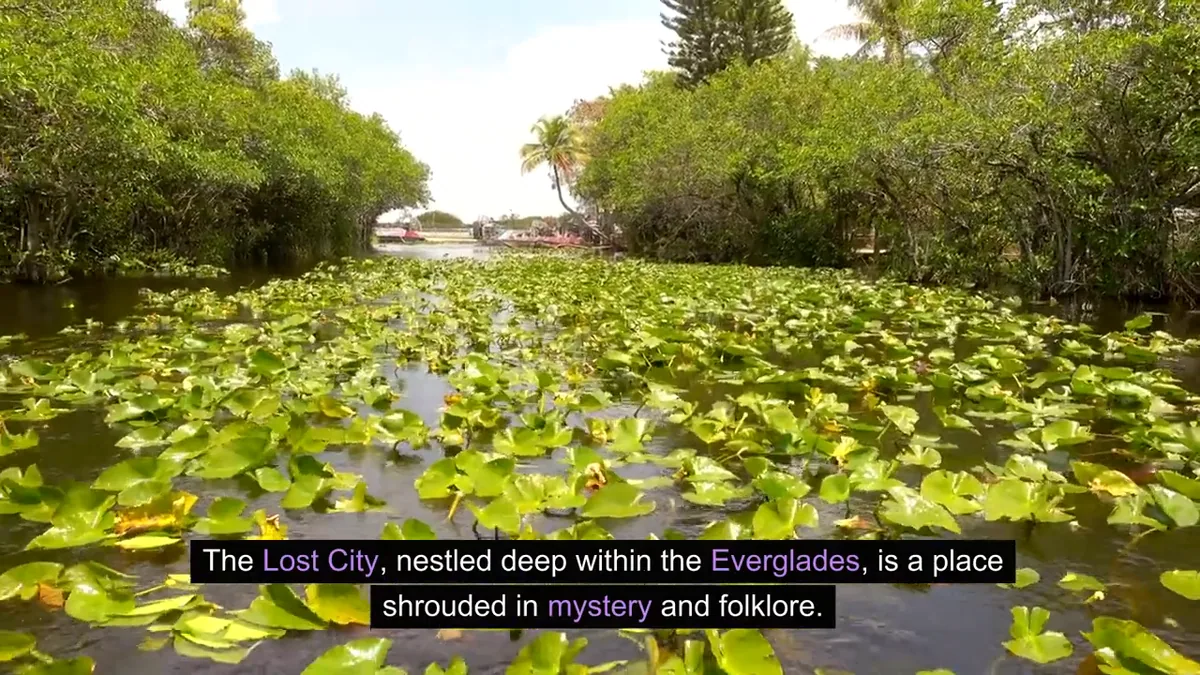
There are 3 principal ancient sites accessible near Everglades City. These are the Lost City site, Chokoloskee Island, and the Turner River Site. Each represents a distinct layer of pre-European and early contact-era history in the Ten Thousand Islands region.
What Is the Chokoloskee Shell Mound?
Chokoloskee Island is a 150-acre shell mound settlement located 3 miles from Everglades City via a causeway built in 1956. It reaches 20 feet above sea level due to 2,000 years of accumulated shell deposits by the Glades culture indigenous people, according to Wikipedia’s sourced census and archaeological records. It is the first archaeological site recorded in Collier County.
The Calusa and their ancestors occupied Chokoloskee for more than 1,500 years before European exploration. Spain transferred Florida to Great Britain in 1763, at which point the island was uninhabited. A permanent American settlement began in 1874. The Ted Smallwood Store, built in 1917 and listed on the National Register of Historic Places, still stands as a museum.
What Is the Turner River Site?
The Turner River Site (8CR8) is a 30-acre shell works complex located 0.5 miles from the mouth of the Turner River, near Chokoloskee Island, within Everglades National Park. It contains at least 30 closely spaced mounds extending 0.25 miles in length. It is listed on the U.S. National Register of Historic Places.
Archaeologists first noted the Turner River Site in 1900. Ales Hrdlicka visited in 1918 and declared it important to science. William H. Sears conducted the first professional excavation in 1955, identifying structural features consistent with Key Marco and Chokoloskee Island and concluding the region was an important prehistoric population center.
What Is the Lost City Site in the Everglades?
The Lost City is a 3-acre interior site noted for multiple historical occupation layers. Archaeologists confirm its origins as a Calusa and Seminole settlement. Later historical accounts suggest it may have served as a shelter for approximately 30 to 40 Confederate soldiers during the Civil War, and as a moonshine production site during Prohibition in the 1930s. These later claims remain unconfirmed by peer-reviewed research.
What Artifacts Have Been Found at Everglades City Area Sites?
Archaeologists and state wildlife officials have documented 5 categories of artifacts across the Everglades City archaeological zone:
- Shell tools – hammers, chisels, and net weights made from whelk and conch shells
- Pottery fragments – ceramic sherds consistent with Glades culture production methods
- Wooden structures – deteriorated posts and platform remnants in waterlogged conditions
- Faunal remains – fish bones, turtle shells, and deer bone indicating subsistence patterns
- Iron and metal objects – including the iron kettle documented at the Lost City site
Research published by the Union of Concerned Scientists confirmed that Ten Thousand Islands shell mound complexes include engineered features such as finger ridges, plazas, canals, and water courts. Sites like Dismal Key contain low canals between ridges that functioned as fish traps, water control structures, or canoe access channels.
What Threatens the Ancient Sites Near Everglades City?
Sea level rise and coastal erosion pose the primary threats to archaeological sites near Everglades City. A 2016 report by the Union of Concerned Scientists confirmed that erosion and storm damage collapsed the banks of tidal creeks at Sandfly Key, threatening shell-work structures there. Most shell mound sites sit just a few meters above modern sea level.
3 documented threats affect these sites:
- Erosion from rising sea levels and increased storm surge frequency
- Boat wakes accelerating tidal creek bank collapse around shell mound bases
- Unauthorized artifact removal, which is a federal offense within Everglades National Park boundaries under the Archaeological Resources Protection Act of 1979
How Do You Visit the Lost City and Ancient Sites Near Everglades City?
There are 3 practical ways to access the ancient archaeological sites near Everglades City:
- Guided airboat or kayak tours through licensed operators departing from the Gulf Coast Visitor Center at 815 Oyster Bar Lane, Everglades City
- Chokoloskee Island – accessible by vehicle via the 3-mile causeway from Everglades City. No entry fee applies to the island itself
- Turner River Site – accessible by boat within Everglades National Park boundaries. Standard park entry fees apply: $35 per vehicle for 7 days
Note that the Lost City site has no marked access route. Visitors attempting to reach it independently risk disorientation in unmarked terrain. Only licensed local guides with knowledge of the interior Everglades navigate this area safely.
What Are the Park Rules for Visiting Archaeological Sites?
Artifact collection is prohibited at all sites within Everglades National Park under federal law. The Archaeological Resources Protection Act of 1979 applies to all shell mounds, middens, and structural remains within park boundaries. Violations carry fines and federal prosecution.
What Is the Ecological Context of the Lost City Area?
The Ten Thousand Islands region is classified as Essential Fish Habitat by the National Oceanic and Atmospheric Administration. Indigenous Floridians lived among these islands for 4,000 years, according to research by the Union of Concerned Scientists.
William Marquardt, curator emeritus of South Florida archaeology and ethnography at the Florida Museum of Natural History, confirmed in 2020 that excavations at Calusa sites continue to redefine understanding of pre-agricultural complex societies in North America.
The shell mound settlements near Everglades City represent one of the most concentrated zones of pre-European archaeological heritage in the southeastern United States. Their preservation depends on federal protections, active research, and responsible visitor conduct.

Donald Reeves writes about Everglades City the way the place deserves to be written about: without the brochure language, without the manufactured wonder, and without pretending that a town of 400 people sitting at the edge of a swamp is something it is not.
He has spent considerable time in Collier County’s oldest settlement, arriving during stone crab season when the waterfront smells of brine and work, and returning in the off-season when the tourists are gone and the town goes quiet in the particular way that only genuinely remote places can. He has paddled the mangrove tunnels of the Ten Thousand Islands, eaten at places with no hours posted on the door, and spoken at length with fishing guides who navigate these waters by memory rather than chart.
His writing on Everglades City FL covers everything from tidal fishing conditions and kayak trails to lodging, local history, and the complex past that most Florida travel content carefully avoids.
He writes to give readers the honest version.