
What the Wait Is Actually For
I arrived at Joanie’s on a Saturday in October at half past eleven, which I knew from previous experience was already too late. The gravel lot had cars in it from three states. A woman with a clipboard was standing in the shade of the overhang writing names down, and the names in front of mine represented approximately two hours of waiting if the pace held and the kitchen did not fall behind. I put my name down. I found a piece of shade near the canal that runs alongside the building and I stood in it and watched a snowy egret work the bank with a patience that made my two hours feel like a reasonable investment.
This is, more or less, what Joanie’s requires of you. It does not have a reservation system. It does not have a website that updates in real time to tell you how long the current wait is. It does not have, for the sixty-odd miles of Tamiami Trail that separate it from anything resembling urban infrastructure, much in the way of alternatives. You wait, or you leave. Most people wait.
Joanie’s Blue Crab Cafe sits on the Trail in Ochopee, which is not quite a town in the conventional sense, more a designation for a stretch of road that happens to contain a post office the size of a tool shed and, for the past several decades, this particular restaurant. The building is open-sided, or close to it, which means that eating there in July involves a relationship with the ambient air that no amount of ceiling fan addresses completely. The humidity that settles over the Everglades in summer is not the humidity of other places. It has weight and intention. In October, before the cold fronts start arriving and thinning it, you feel it as something you are moving through rather than something you are merely experiencing.
The blue crabs are the reason people come. They are steamed and served whole and require work in a way that restaurants which compete on ambiance tend to discourage, because work slows service and slowing service reduces turnover. At Joanie’s, the work is part of what you are there for. The blue crab is not a food that yields itself passively. You earn it with a wooden mallet and a patience that the two-hour wait has, presumably, already selected for. The meat when you get to it is sweet in a way that the words sweet and crab have not prepared you for if you have not had them like this, fresh and steamed simply and eaten in a place where the egret is still working the canal bank outside.
What unsettled me, on a visit two years before this one, was not the food or the wait but a conversation I had during it with a man from Fort Lauderdale who had driven out specifically because he had seen Joanie’s on a list of Florida’s most authentic dining experiences. I asked him what authentic meant to him in this context and he thought about it sincerely, which I appreciated, and said it meant a place that was real rather than performed. I agreed that Joanie’s was real. What I found myself thinking about afterward was the mechanism by which a real place becomes known as real, and what that mechanism does to the place over time.
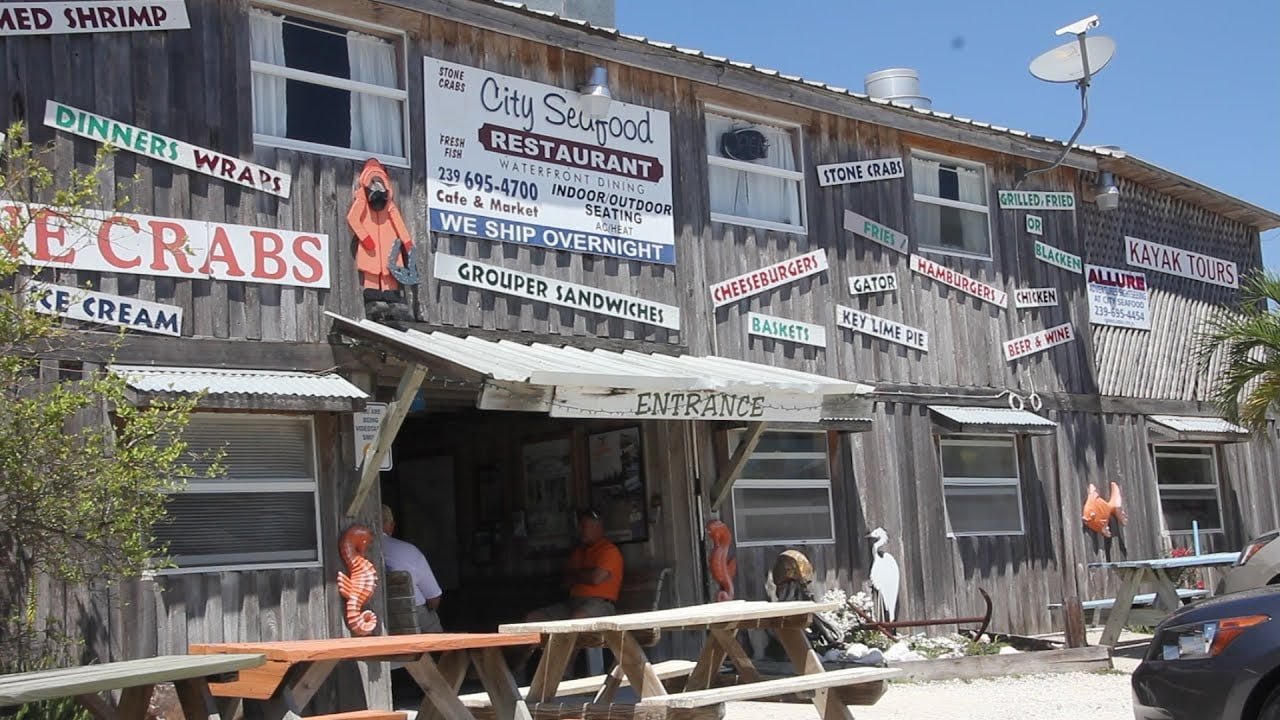
The list that brought that man to Joanie’s was not wrong. The restaurant is genuinely what it is: a family operation on a two-lane highway in the middle of a national preserve, serving food that the surrounding ecosystem produces, in a building that makes no concessions to the notion that dining should be comfortable in the resort sense of the word. None of that has changed. What has changed, over the years I have been coming here, is the composition of the wait. The people in it now are more likely to have come from the list, from the content, from the photograph on someone’s account of a place they called exactly the things I have committed to not calling it here. They are good people seeking something real. Their seeking does not make the place less real. But it does make it more crowded, and crowded is a condition that changes things in ways that are hard to enumerate and easy to feel.
I spoke to one of the family members who works the floor, briefly, on my most recent visit. I asked how they managed the volume. She said they did not manage it so much as absorb it, which seemed to me an accurate description of what the Everglades does as a matter of general principle. The traffic comes. The season comes. The hurricanes come. What remains afterward is what was solid enough to stay.
The two hours passed. The egret caught something and stood very still for a moment the way they do, considering the catch, and then swallowed it and moved along the bank to the next likely spot. My name was called. I went in and sat down and ate blue crabs in October in a place with no traffic light for sixty miles in any direction, and the crabs were what they always are, which is to say worth it, which is to say not quite describable in terms that do the thing justice.
There are restaurants people drive to because the food is excellent and the location is incidental. There are restaurants people drive to because the location is the point and the food is secondary. Joanie’s is one of the rare ones where neither of these is quite right, where the food and the place and the act of getting there are so entangled that separating them into components misses whatever it is you actually came for.
The two-hour wait is not an obstacle to the experience. It is where the experience begins.
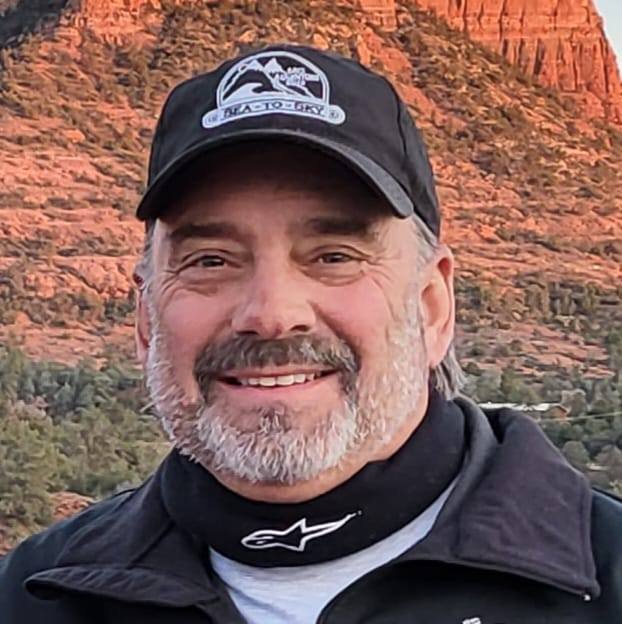
Donald Reeves writes about Everglades City the way the place deserves to be written about: without the brochure language, without the manufactured wonder, and without pretending that a town of 400 people sitting at the edge of a swamp is something it is not.
He has spent considerable time in Collier County’s oldest settlement, arriving during stone crab season when the waterfront smells of brine and work, and returning in the off-season when the tourists are gone and the town goes quiet in the particular way that only genuinely remote places can. He has paddled the mangrove tunnels of the Ten Thousand Islands, eaten at places with no hours posted on the door, and spoken at length with fishing guides who navigate these waters by memory rather than chart.
His writing on Everglades City FL covers everything from tidal fishing conditions and kayak trails to lodging, local history, and the complex past that most Florida travel content carefully avoids.
He writes to give readers the honest version.