
The Waterline Is Still on the Wall
The mark is at chest height on the eastern wall of a building off Camellia Street, a pale stain where the floodwater sat long enough to leave its record in the concrete block, and whoever owns the building either has not noticed it or has decided not to paint over it, and either way it is still there. I saw it first on a visit about a year after Irma came through, when the debris was gone but the gaps were everywhere, the empty slabs where structures had been, the boats still displaced, the particular flatness in people’s voices when they talked about what had happened. I saw it again two years after that. I saw it last October. The mark is still there.
Hurricane Irma made landfall in the Keys in September 2017 and then moved north up the peninsula’s western edge and hit Everglades City with a storm surge that reached, in some places, nine feet. Nine feet of Gulf water moving through a town that sits at an elevation somewhere between two and six feet above sea level, depending on which part of it you are standing in. The water came in at night. People who stayed, and many did stay, spent hours on countertops and in attic spaces and on the roofs of houses that held, listening to the sound of things that did not hold. When it receded it left behind what storm surges always leave, a layer of sediment and salt and ruin distributed with a thoroughness that no individual disaster can quite prepare you for.
The federal disaster response arrived. FEMA came. The news cycle gave Everglades City its forty-eight hours and then moved on to the larger losses, the cities, the counties with more people and more political weight and better-organised spokespeople for their suffering. A town of under five hundred, at the end of a road that floods in heavy rain even without a hurricane, does not hold the news cycle for long. What I have been told, by more than one person who was here through all of it, is that the town put itself back together largely by itself, with the mutual aid that exists in small, isolated places where people have been depending on each other for longer than they have been depending on any external institution.
What surprised me, and this is the thing I keep returning to, was not the damage. I had expected damage. What I had not expected was the particular kind of incompleteness that persisted after the obvious damage was gone. A building repaired on three sides and not the fourth. A business that reopened and then closed again, not from flood damage but from the slow attrition of a season lost and a customer base that had dispersed and not entirely returned. A fishing guide who told me, with the same flat factual tone that people here use for things that cost them a great deal, that he had spent the better part of two years rebuilding a client list that had taken fifteen years to build, because his boat was damaged and his dock was damaged and the word had gone around, the way word goes around in the charter fishing world, that he was not operating, and by the time he was operating again some of those clients had found other guides in other places and had not come back.
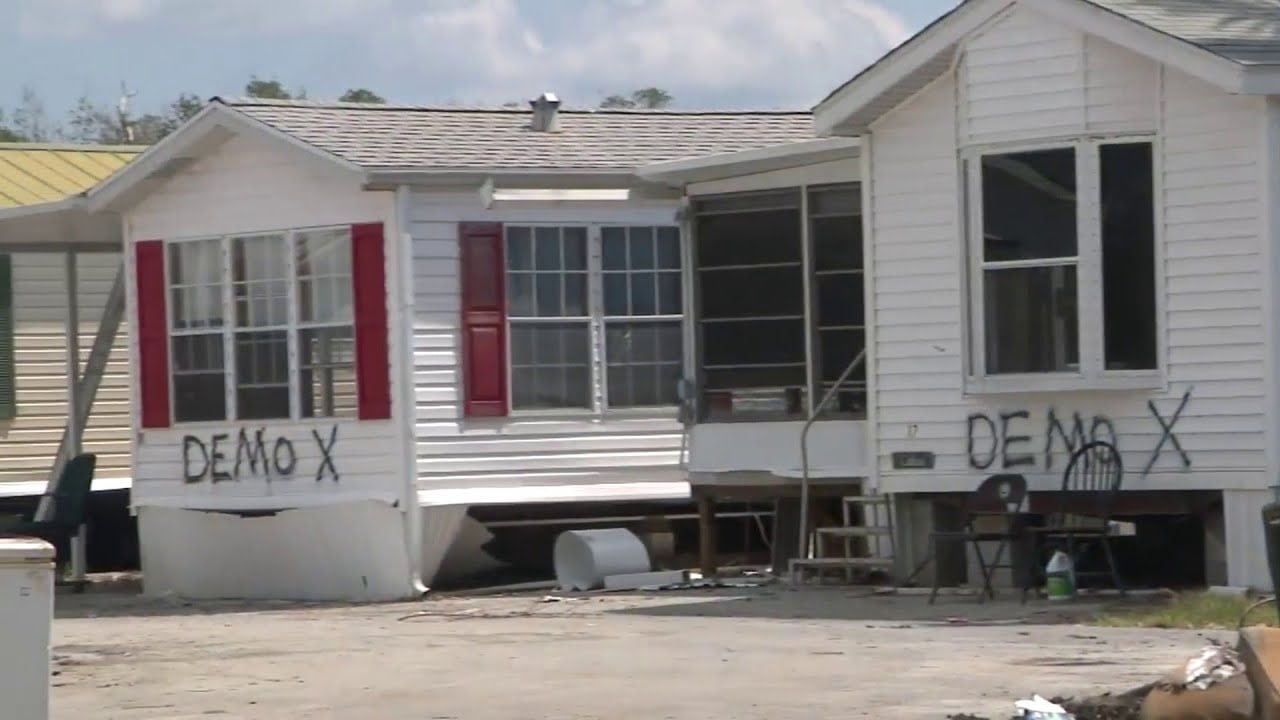
The stone crab industry, which is the economic spine of this town in a way that no amount of ecotourism has changed, took losses that rippled through multiple seasons. Traps lost or damaged. Boats out of service. The infrastructure of a working waterfront, which looks rough and functional to a visitor and is in fact a precise and fragile system of boats and gear and bodies and knowledge, does not reconstitute itself quickly when it has been substantially disarranged. Some of it has come back. Some of it is still in the process of coming back, five, six, seven years on.
I want to say something about what the recovery coverage gets wrong, because there has been some of it, the resilience stories, the before-and-after photographs, the profiles of local characters who rebuilt with their own hands and their community’s support and are now doing fine, thank you. Those stories are not false. The rebuilding is real and the resilience is real and the people here have earned whatever credit those stories give them. But the frame of the resilience narrative requires a resolution that has not fully arrived, and the stories tend to get written at the moment when enough recovery has occurred to make a satisfying arc, rather than at the actual moment of the town’s condition, which is more complicated and less resolved than a satisfying arc allows.
The population has not returned to what it was before Irma. I do not have precise numbers and I am not sure precise numbers exist, but I have heard this from people who were born here and who have watched the town’s size and composition change over decades, and they say it with the specificity of people who know their neighbours and can count the absences. Some of those who left went to Naples or Fort Myers or further north, somewhere with more infrastructure and less exposure to the particular vulnerability of living at the end of one road in a landscape that the Gulf of Mexico can reach on a bad night.
The mark on the wall of the building off Camellia Street is not a memorial. It is just what happens when water sits against concrete long enough. But it is also a record, and it is still there, and the town continues around it, working and present and not fully recovered, and the honest thing to say about that is not that it will be fine eventually. It may be. The honest thing to say is that the cost of being here, of choosing to stay in a place this exposed and this far from help, is a cost that this town has been absorbing quietly for years, and that the people who absorbed it deserve something more than a resilience story that ends before the ending has actually arrived.
Donald Reeves writes about Everglades City the way the place deserves to be written about: without the brochure language, without the manufactured wonder, and without pretending that a town of 400 people sitting at the edge of a swamp is something it is not.
He has spent considerable time in Collier County’s oldest settlement, arriving during stone crab season when the waterfront smells of brine and work, and returning in the off-season when the tourists are gone and the town goes quiet in the particular way that only genuinely remote places can. He has paddled the mangrove tunnels of the Ten Thousand Islands, eaten at places with no hours posted on the door, and spoken at length with fishing guides who navigate these waters by memory rather than chart.
His writing on Everglades City FL covers everything from tidal fishing conditions and kayak trails to lodging, local history, and the complex past that most Florida travel content carefully avoids.
He writes to give readers the honest version.