
The boy was maybe seven, standing at the edge of the dock behind the ranger station at the Gulf Coast visitor center, and he had stopped doing whatever seven-year-olds do on docks, which is usually something that makes the adults around them nervous, and he was absolutely still. His mother was talking to someone behind him and did not notice immediately. I noticed because stillness in a seven-year-old is unusual enough to pay attention to. He was watching a great blue heron that had landed on a piling twelve feet away and was regarding him with the ancient, lateral indifference that herons have perfected over several million years of practice.
They watched each other for what I estimated at ninety seconds. Then the heron decided the interaction was complete and lifted off over the water with the slow, improbable wingbeat that always looks like it will not work and always does. The boy turned around and looked for someone to tell, and when he found his mother he said, with the certainty of someone who has just understood something important, that it was looking right at him.
He was right. It was.
I have been watching children encounter the Everglades for several years now, in different seasons and different conditions and with different levels of adult management of the experience, and what I have come to understand is that the children who remember it, who carry something real away from it, are almost always the ones whose experience was not optimised. Not packaged, not narrated at them, not filtered through the interpretive layer that turns a wild place into a series of talking points about ecosystem function.
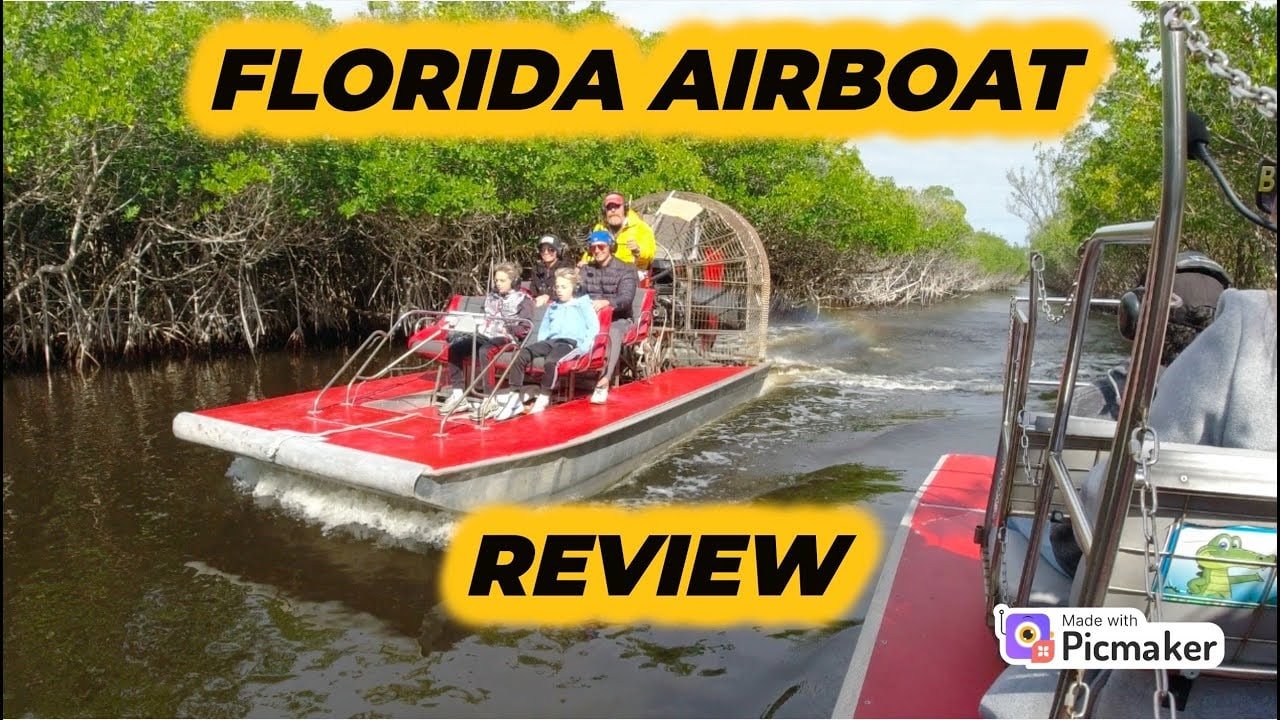
The airboat tour question is the one I get asked most often by parents planning a trip down the Tamiami Trail with children in tow, and my answer is always more complicated than they want it to be. Airboat tours work for certain children and fail for others in ways that are difficult to predict in advance. What I can say with some confidence, based on observation rather than theory, is that the experience is primarily sensory and physical rather than ecological. The noise is total. The speed is real. The wind and the spray and the sudden stops in open water are things a child’s body registers in a way that persists. If you are hoping for close wildlife observation, a slow paddle or a guided boat tour through the mangrove islands will give you something the airboat cannot, which is quiet, and in the quiet the things that live here become visible.
What surprised me, on a trip I took some years ago with a family I had known for a while, was not the children’s reaction to the dramatic things. The alligator. The osprey with a fish. The moment the mangrove canopy closed over the kayaks and the light came through in pieces and the water went dark and still. Those things landed, as they were always going to land. What I was not prepared for was the reaction of the older child, eleven years old and already at the age of managed enthusiasm, to a stand of pond apple trees at the edge of a hammock that were doing nothing in particular. She had slowed her paddle and pulled alongside one of them and was looking at the root structure where it met the water, the way the roots arched and divided and disappeared into the mud, and she said, without looking away from it, that it looked like it was walking.
It does look like it is walking. That is a thing about this ecosystem that no nature documentary has found a way to convey, which is that the boundary between the living thing and the water and the mud is not where you expect it to be, that the categories you arrive with are insufficient for what you find, that the place is stranger and more patient than anything you were told to expect.
The tours that work for children are the ones led by people who know the water well enough to stop when something is happening rather than stopping at scheduled points because the programme calls for a stop. I have been on guided boat tours out of Everglades City where the guide cut the engine because a pod of bottlenose dolphins had come into the channel from the Gulf, and the children on that boat had the experience of watching wild animals make a decision about whether to stay near us, and they stayed, and it was not because anyone had arranged it. It was because the guide was paying attention and had the judgment to recognise that what was happening in the water was more valuable than whatever was supposed to happen next.
The children who remember the Everglades forever are not the ones who were given the most information about it. They are the ones who were given enough time, and enough quiet, and a guide who knew when to stop talking.
The boy on the dock with the heron did not have a guide. He had a dock and a heron and ninety seconds of stillness that nobody had planned for him.
The Everglades will do what it does if you let it. The difficulty, with children as with everyone, is resisting the urge to arrange the encounter in advance.
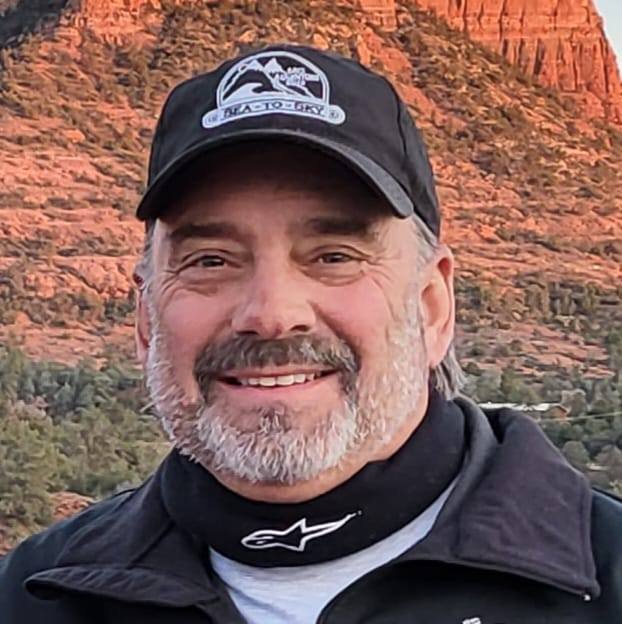
Donald Reeves writes about Everglades City the way the place deserves to be written about: without the brochure language, without the manufactured wonder, and without pretending that a town of 400 people sitting at the edge of a swamp is something it is not.
He has spent considerable time in Collier County’s oldest settlement, arriving during stone crab season when the waterfront smells of brine and work, and returning in the off-season when the tourists are gone and the town goes quiet in the particular way that only genuinely remote places can. He has paddled the mangrove tunnels of the Ten Thousand Islands, eaten at places with no hours posted on the door, and spoken at length with fishing guides who navigate these waters by memory rather than chart.
His writing on Everglades City FL covers everything from tidal fishing conditions and kayak trails to lodging, local history, and the complex past that most Florida travel content carefully avoids.
He writes to give readers the honest version.