
I knew I had made a wrong turn somewhere in the previous forty minutes, but the channels in the Ten Thousand Islands do not announce errors. They simply continue, one mangrove wall following another, each passage looking substantially like the last one, the water going from deep green to that pale milky gold over the sand flats and back to green again, and no landmark presenting itself that my chart or my phone was prepared to confirm. The GPS was showing me a blue dot in a position that bore only a general relationship to what I could see from the kayak seat. I stopped paddling and let the boat drift and listened. A mullet jumped somewhere behind me. An osprey made its specific irritated sound from somewhere in the canopy above. The tide was moving, slowly, in a direction I had to think about for a moment before I trusted it.
This is what the Ten Thousand Islands actually are. Not the photographs. Not the booking platform descriptions with their talk of pristine wilderness and unforgettable experiences. A place where your normal tools for knowing where you are become provisional, and where the confidence you arrived with starts to quietly renegotiate its terms.
I have paddled here several times across different seasons, and the experience of being genuinely uncertain about my location has happened on more than one of those trips. I want to be clear that I do not mean pleasantly uncertain, the feeling of adventure that outdoor writing tends to romanticize. I mean the specific cognitive discomfort of looking at two identical channels diverging from a small clearing and having no reliable information about which one leads toward the ranger station and which one leads deeper into an archipelago of mangrove islands that extend for miles in every direction without a convenient exit. That feeling does not make a good photograph. It is also, I think, the most honest thing this place offers.
The article you are reading was supposed to be a practical guide. Tides, distances, campsites, what to bring. I started writing it that way and stopped, because the format implies a kind of mastery of this place that I do not have and that I am skeptical anyone accumulates quickly. What I have instead is a record of what I got wrong and what the place taught me in the process of getting it wrong, and that seems more useful.
The first thing I underestimated was the tide. The Ten Thousand Islands are a tidal system and the tidal range here, modest compared to the Pacific coast, is everything when you are paddling a shallow draft boat in channels that can go from knee-deep to ankle-deep between mid-morning and early afternoon. I paddled out on a falling tide on my second visit and came back on an incoming one and the difference in effort was significant enough that I understood, finally, why the fishing guides here check the tables before they do anything else. The water is not a static medium. It has opinions about direction and those opinions are worth knowing before you commit to a route.
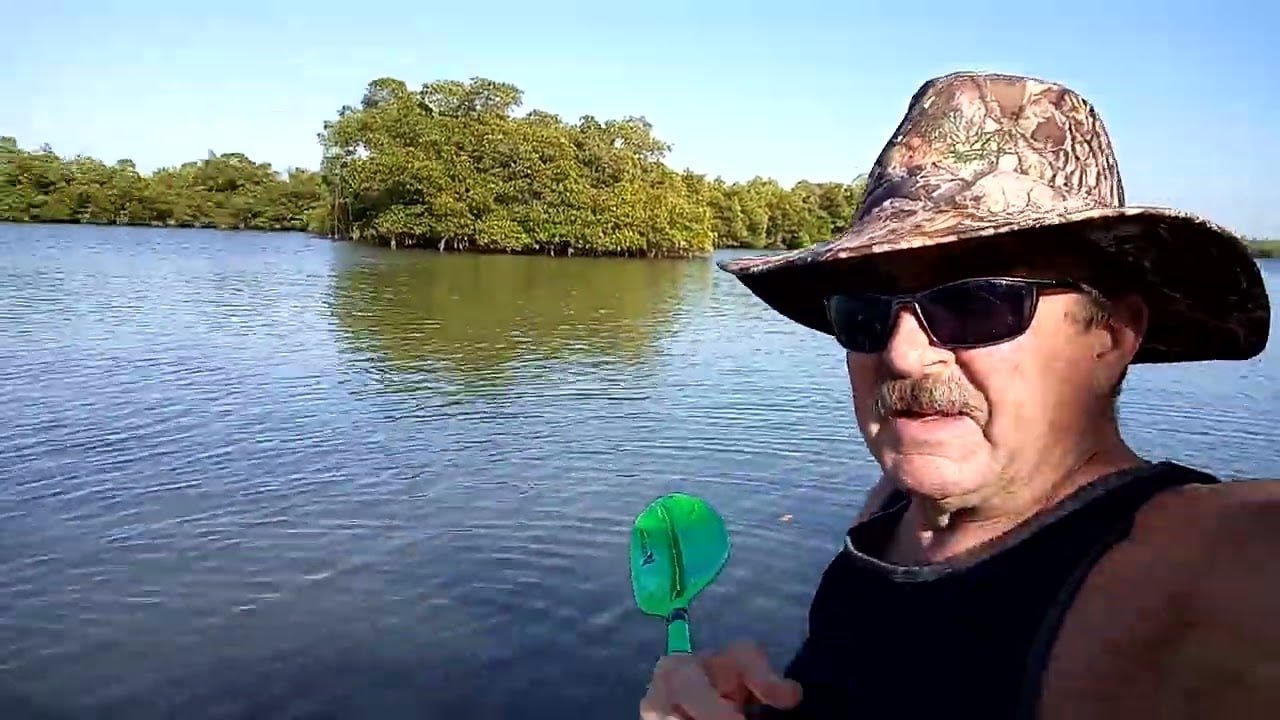
What surprised me on that same trip, and what I have thought about since, was the conversation I had with a man repairing crab traps on a dock near the put-in. He had been working these islands for more than thirty years and I asked him, somewhat naively, whether he ever got turned around out there. He looked at me in a way that suggested the question was not quite right. He said he used to navigate by the mangroves themselves, by the way certain species grew in certain water conditions, by the direction of the prop scars from decades of boat traffic, by the color of the water at different depths. He said GPS had made younger guides lazy about that kind of reading, and then he said something I have not forgotten: that the islands will always know more than your phone, and if you are paying attention to the phone you are not paying attention to the islands.
The mangrove tunnels are the feature that photographs best and understands least. You paddle into them from an open channel and the canopy closes overhead in increments until you are moving through a cathedral of roots and filtered light, the water going dark, the smell of the mud underneath you rising up in something organic and particular that has no clean analogy. The tunnels are real and they are extraordinary. They are also where it is easiest to lose track of where you have been, because the tunnel looks the same in both directions and turning around is not always as straightforward as it sounds when the root systems close in on either side of the hull.
I do not think a survival guide is the right frame for this place. Survival implies you are in contest with it, that the goal is to emerge intact having defeated some obstacle the place put in front of you. What the Ten Thousand Islands actually require is not survival readiness. It is a willingness to be less certain than you are used to being, to let the tide inform your decisions more than your schedule does, to look at the water and the birds and the light rather than the screen in your hand.
The people who know this place well are not the ones who mastered it. They are the ones who stayed long enough to start learning its preferences.

Donald Reeves writes about Everglades City the way the place deserves to be written about: without the brochure language, without the manufactured wonder, and without pretending that a town of 400 people sitting at the edge of a swamp is something it is not.
He has spent considerable time in Collier County’s oldest settlement, arriving during stone crab season when the waterfront smells of brine and work, and returning in the off-season when the tourists are gone and the town goes quiet in the particular way that only genuinely remote places can. He has paddled the mangrove tunnels of the Ten Thousand Islands, eaten at places with no hours posted on the door, and spoken at length with fishing guides who navigate these waters by memory rather than chart.
His writing on Everglades City FL covers everything from tidal fishing conditions and kayak trails to lodging, local history, and the complex past that most Florida travel content carefully avoids.
He writes to give readers the honest version.