
The morning the stone crab season opened, I was at the dock before five-thirty, earlier than necessary, because the sky over the Ten Thousand Islands does something in the last half-hour before full light that no camera renders correctly and I had learned by then to simply be present for it rather than try to capture it. The water was black and perfectly flat. The boats were already gone. A great blue heron stood at the far end of the dock with the absolute stillness that herons have, the kind that makes you wonder how long it has been standing there and how long it intends to stay. The smell was low tide over mangrove mud, salt and sulfur and something older underneath, the smell of a coast that has not been concreted over and deodorized and renamed.
That is not a smell you find much in Florida anymore. That is the point.
I have been coming to Everglades City for long enough that I have stopped trying to explain what draws me back. It is not the food, though the stone crab at Triad is as good as stone crab gets, and there are places in this town with no websites and no hours posted on the door where the fish is fresher than anything you will find in Naples. It is not the wildlife, though I have sat in a boat at first light watching a roseate spoonbill work a shallow flat in a way that no nature documentary has managed to show, the specific pink of it against the gray water, the way it sweeps its bill back and forth with something that looks almost like patience. It is something harder to name. Something about a place that has not yet decided to be anything other than what it is.
Florida is a state that has spent seventy years deciding to be things. Retirement destination. Theme park. Spring break. Tax haven. Lifestyle brand. The decisions have been made one development at a time, one drainage project at a time, one condo tower at a time, until the original state, the one that existed before the decisions, has been largely replaced by the thing the decisions produced. What the original state looked like is not entirely lost. You can find pieces of it in the Fakahatchee Strand, in the deeper reaches of Big Cypress, in the mangrove wilderness of the Ten Thousand Islands where GPS becomes unreliable and the channels between the keys look identical from any angle and the guides who take you through them navigate from memory rather than chart. Everglades City sits at the edge of all of that. It is the last town before the wilderness begins, and it has not yet fully made up its mind about which side of that edge it belongs on.
The thing that surprised me, the first time I understood it properly, came from a conversation with a woman who had lived here her entire life, whose family had been here before the Tamiami Trail was finished, before the town was incorporated, before any of the infrastructure that makes the town visible to the outside world existed. I had been asking her what she thought about the Seafood Festival, which brings something close to twenty thousand people into a town of fewer than five hundred for a single February weekend, and I expected her to express the ambivalence I had heard from others, the tolerate it because we need the money version of acceptance. What she said instead was more interesting. She said the festival was fine. What was not fine was the other fifty-one weekends a year, when people arrived having read something on the internet and expecting the festival version of the town, and found instead a working town in the middle of its actual life, which was quieter and less convenient and not particularly interested in being discovered.
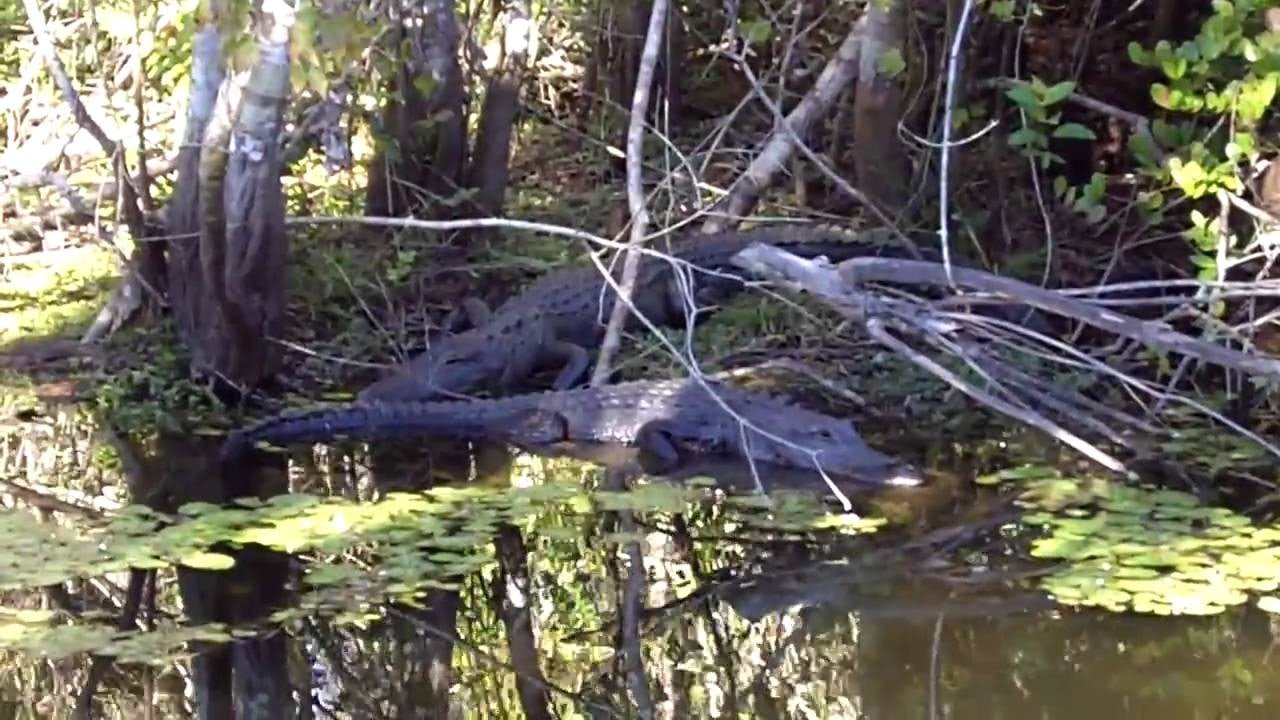
That word. Discovered. I have heard it used about Everglades City with increasing frequency over the past several years, and it lands differently every time. The people who use it mean well, usually. They mean that they found something they did not expect and want others to find it too. What the word carries, underneath the enthusiasm, is the assumption that a place is not fully real until an outsider arrives to verify it. Everglades City has been real for a very long time. The people here rebuilt it after Hurricane Irma with minimal outside help, not because help was not offered but because the town has a specific relationship with self-sufficiency that long predates the storm, and the storm only confirmed what the town already knew about itself. That version of the place, the one that exists before anyone arrives to write about it, is not something that travel content can see. It can only see the version that is ready to be seen.
I paddled a mangrove tunnel on my last afternoon, the kind where the canopy closes overhead and the light goes green and diffuse and you lose track of how long you have been inside it. The channel narrowed until the paddle blades touched both walls and then opened again into a small bay where three white ibis were working the shallows and the water was so clear over the sand that it barely looked like water at all. There was no signal on my phone. There was no sound except the ibis and something moving in the roots that I never identified.
This is what Florida looked like before anyone decided what it should look like. The decision to leave some of it alone was not made from sentimentality. It was made because the wilderness was too large and too wet and too indifferent to be decided about. That indifference is still there. It is the most honest thing about this place.
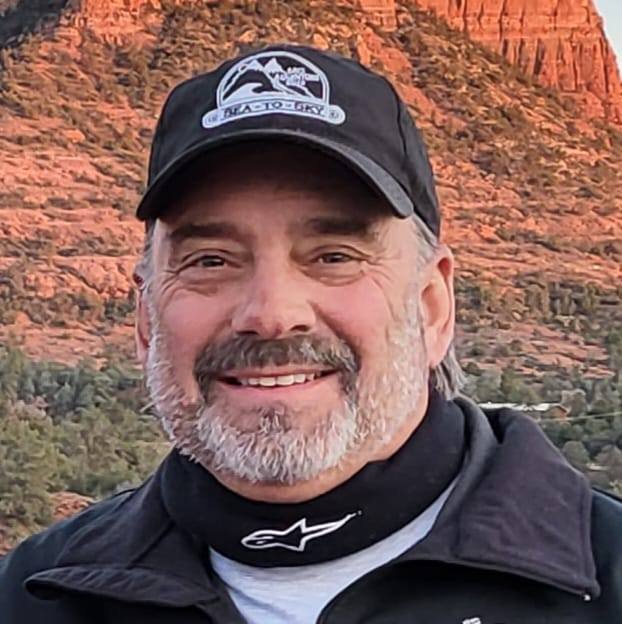
Donald Reeves writes about Everglades City the way the place deserves to be written about: without the brochure language, without the manufactured wonder, and without pretending that a town of 400 people sitting at the edge of a swamp is something it is not.
He has spent considerable time in Collier County’s oldest settlement, arriving during stone crab season when the waterfront smells of brine and work, and returning in the off-season when the tourists are gone and the town goes quiet in the particular way that only genuinely remote places can. He has paddled the mangrove tunnels of the Ten Thousand Islands, eaten at places with no hours posted on the door, and spoken at length with fishing guides who navigate these waters by memory rather than chart.
His writing on Everglades City FL covers everything from tidal fishing conditions and kayak trails to lodging, local history, and the complex past that most Florida travel content carefully avoids.
He writes to give readers the honest version.