
The ranger station at the Gulf Coast Visitor Center smelled like fresh paint and new lumber when I came through in the fall, and there was something disorienting about that, the way new construction smells in a place you associate with the particular mustiness of an old building that has absorbed decades of salt air and humidity and the slow deterioration that the Everglades climate visits on everything humans build here. The woman behind the desk had been with the park for eleven years. She watched me register the smell and said, without my asking, that it still caught her off guard too sometimes, that she kept expecting to walk into the old building and finding this one instead.
Hurricane Ian came through in September 2022 with the specific violence of a storm that had intensified faster than the models predicted and arrived at a moment when the park was still carrying deferred maintenance from previous storms and previous budget cycles that had never quite caught up with the rate of damage. The Gulf Coast entrance near Everglades City took it hard. The visitor center, the docking infrastructure, the trails and boardwalks and interpretive facilities that had been accumulating since the park’s early decades, all of it absorbed a storm surge and wind loading that the original construction had not been designed to withstand. The damage was, in the language of the assessment reports, extensive.
What came after is where the story gets complicated in ways that the recovery coverage mostly glossed over.
I had heard, before I came down that fall, a version of the story that the press releases told, which was about federal investment and resilient infrastructure and a rebuilt park that would serve visitors better than what preceded it. That version is not false. The new facilities are genuinely better in measurable ways. The visitor center is accessible in ways the old one was not, the dock configuration handles more vessel traffic with less conflict, the elevated boardwalks are rated for storm conditions that would have destroyed their predecessors. If you arrive now having never seen what was here before, you encounter a facility that functions well.
What surprised me was a conversation I had with a man who had been bringing fishing clients to the Gulf Coast launch for close to twenty years. He was not unhappy with the new infrastructure. He was precise about it in the way that people are precise when they want to make a distinction that they suspect is going to be misunderstood. He said that the old facilities had a quality of accumulation that the new ones did not yet have, and that this was not a sentimental observation but a practical one. The old dock had been modified and adapted over decades in response to specific conditions that the people using it had identified through use, and those modifications were embedded in the structure in ways that were not always visible but that experienced users understood. The new dock was designed by people who had access to all the right data and none of that embedded knowledge, and it would take years of use before the same kind of practical intelligence worked its way into how people related to it.
I thought about that for a long time afterward. It described something about the relationship between places and the people who use them over time that the infrastructure conversation almost never addresses. A rebuilt facility is not a restored facility. It is a new thing that will have to earn its own history, and that process cannot be accelerated regardless of how good the construction is.
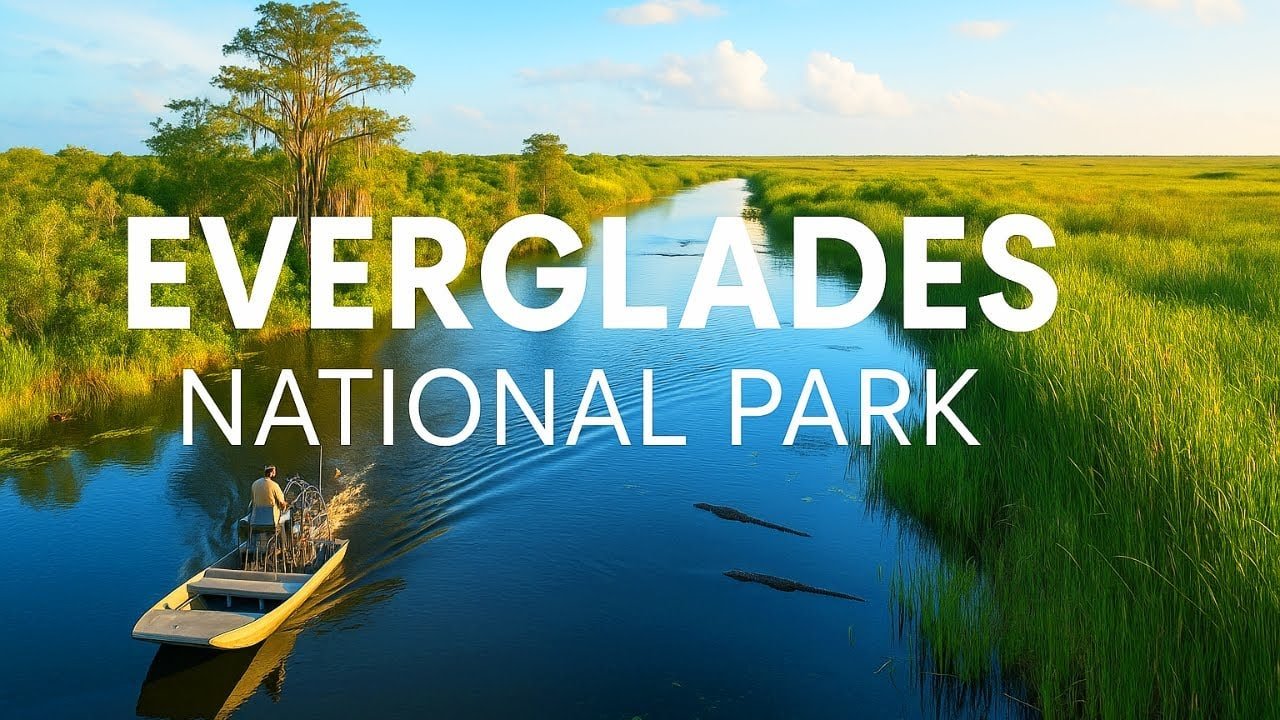
The trails and waterways are a different matter, and here the recovery story is less ambiguous. The elevated boardwalks that were rebuilt after Ian are higher than what they replaced, which matters in a system where storm surge depths have been trending upward and where the previous elevation standards were written for a climate that no longer describes current conditions. The mangrove restoration work that was accelerated after the storm has produced results that the ecologists I spoke with described carefully, noting that mangrove recovery in disturbed areas is faster than most people expect but that the structural complexity of mature mangrove habitat takes decades to develop and that what is growing back now, though healthy, is not the same as what was lost. The distinction matters. Recovery and restoration are not the same thing, and the difference between a young mangrove stand and an old one is not merely aesthetic.
The light was doing its late afternoon thing when I walked the rebuilt boardwalk out toward the water, going gold and flattening across the bay in a way that makes the mangrove line look like a silhouette cut from paper. A brown pelican sat on a piling at the end of the dock with the complete disregard for human infrastructure that pelicans maintain as a matter of principle. Somewhere in the red mangroves to the north something was moving through the roots, audible but not visible, and the sound of it carried across the water in the particular quiet of a place with no traffic and no signal and no background noise of the kind that accumulates in places with more people in them.
The park after Ian is, in the ways that can be measured and documented and included in a federal report, better than the park before Ian. The facilities are newer, more accessible, more capable of surviving the next event, better aligned with what the current understanding of climate conditions requires. That is true and it matters.
What is also true is that a place does not recover its character through reconstruction. Character is what accumulates in the gap between what a place was built to be and what it actually becomes through years of use and weather and the slow negotiation between human presence and the ecosystem that surrounds it.
The Everglades will give the new infrastructure that character in time. It gives everything here its character, eventually, whether or not anyone planned for it.

Donald Reeves writes about Everglades City the way the place deserves to be written about: without the brochure language, without the manufactured wonder, and without pretending that a town of 400 people sitting at the edge of a swamp is something it is not.
He has spent considerable time in Collier County’s oldest settlement, arriving during stone crab season when the waterfront smells of brine and work, and returning in the off-season when the tourists are gone and the town goes quiet in the particular way that only genuinely remote places can. He has paddled the mangrove tunnels of the Ten Thousand Islands, eaten at places with no hours posted on the door, and spoken at length with fishing guides who navigate these waters by memory rather than chart.
His writing on Everglades City FL covers everything from tidal fishing conditions and kayak trails to lodging, local history, and the complex past that most Florida travel content carefully avoids.
He writes to give readers the honest version.