
Everglades City is recognized as the Stone Crab Capital of the World. Located 35 miles south of Naples and 80 miles west of Miami, this small Florida fishing town produces roughly 40 percent of all stone crab claws harvested in Florida. Florida supplies the vast majority of the world’s stone crab output, making Everglades City one of the most significant seafood hubs in the United States.
What Are Everglades City Stone Crabs?
There are 2 species of stone crabs harvested in Florida: the Gulf Shore Stone Crab and the Florida Stone Crab. Stone crabs are known for their powerful claws, which account for more than half of the crab’s total weight. These crabs use 2 claws – a crushing claw and a tearing claw – to eat and defend themselves. For context, see our previous guide on Rod and Gun Club Everglades City: 160 Years of History, 5 Presidents, and Old Florida Wilderness.
The meat inside is firm yet delicate – a sweet white meat with a flavor reminiscent of king crab and Maine lobster, but with a flakier texture. Unlike most shellfish, only the claws are harvested. The crab is returned alive to the water, where it regenerates its claws over time.
Why Is Everglades City Called the Stone Crab Capital?
Everglades City is often credited as the starting point for the commercial stone crab fishery, and still houses a large fleet of commercial stone crab boats. The industry originated in the early 20th century when a local named Ernest Hamilton pioneered commercial stone crab harvesting in the area after fishermen discovered the crustaceans while catching spiny lobster.
When Is Stone Crab Season in Everglades City?
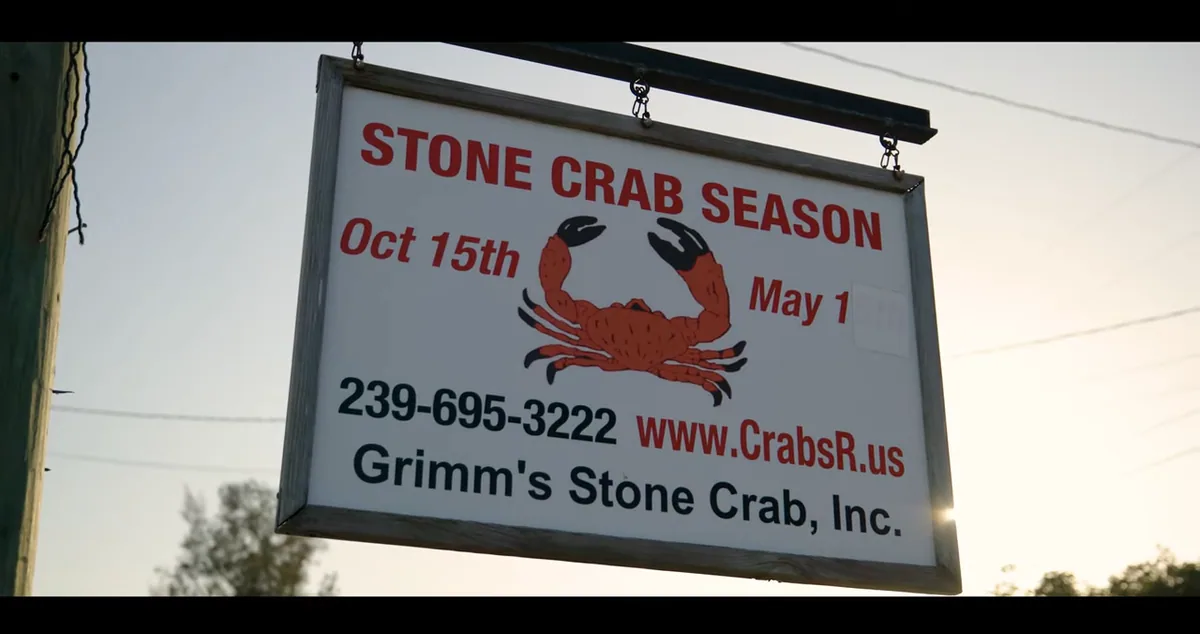
Stone crab season in state waters is open October 15 through May 1, closing on May 2. This 6.5-month window aligns with the crab’s natural molting cycle, ensuring peak claw quality. Visiting between these dates is the only way to eat fresh, locally harvested stone crabs in Everglades City.
How Long Does It Take for Stone Crab Claws to Grow Back?
It takes about 18 months for the claws to grow back. The off-season helps protect the crabs from over-fishing. Leaving at least 1 claw on the crab during harvest significantly increases its survival rate, as the crab can still obtain food and defend itself.
|
Season Phase |
Dates |
Activity |
|---|---|---|
|
Pre-season trap placement |
October 5 – October 14 |
Traps placed, not tended |
|
Harvest season open |
October 15 – May 1 |
Full harvest permitted |
|
Closed season |
May 2 – October 14 |
No harvest or possession |
What Are the Stone Crab Harvesting Regulations in Everglades City?
The minimum claw size limit is 2 7/8 inches. Only claws may be harvested. Harvest from egg-bearing crabs is prohibited. These regulations are enforced by the Florida Fish and Wildlife Conservation Commission (FWC) in both state and federal waters.
What Are the 5 Key Recreational Harvesting Rules?
Recreational harvesters must follow these 5 rules:
- Minimum claw size: 2 7/8 inches, measured from the propodus joint to the tip of the lower immovable finger
- Daily bag limit: 1 gallon of claws per person, or 2 gallons per vessel – whichever is less
- Trap limit: Maximum of 5 traps per person
- Trap registration: Recreational harvesters age 16 and older are required to complete an online, no-cost recreational stone crab trap registration each year at GoOutdoorsFlorida.com.
- Prohibited gear: Any device that can puncture, crush, or injure the crab body – such as spears, grains, grabs, or hooks – is illegal gear.
What Trap Specifications Apply for the 2024-25 Season and Beyond?
For the 2024-25 stone crab season and beyond, all recreational and commercial plastic or wood stone crab traps must include an unobstructed escape ring measuring 2 3/16 inches in diameter, located on a vertical exterior wall of the trap. Additional trap specifications include:
- Maximum trap size: 24 x 24 x 24 inches
- Buoy size: Minimum 6 inches, marked with a legible “R” at least 2 inches tall
- Trap identification: Harvester’s name, address, and unique registration number permanently affixed
- Working hours: Traps pulled during daylight hours only
How Are Stone Crabs Harvested in Everglades City?
Crabs are caught in baited traps, with frozen pig feet or mullet commonly used as bait. Commercial fishermen remove the larger of the 2 claws, provided each claw meets the 2 7/8-inch legal size requirement. The crab is then returned to the water.
Florida stone crabs are cooked in boiling water immediately after harvest, on the boat or at dockside, to prevent the meat from sticking to the inside of the shell, according to the Florida Department of Agriculture and Consumer Services.
Is Stone Crab Harvesting Sustainable?
Stone crab harvesting is recognized as one of the most sustainable shellfish fisheries in the United States for 3 main reasons:
- Claws regenerate, so the crab population is not depleted by harvest
- Strict size limits ensure crabs reproduce before their claws are taken
- Escape rings in traps reduce bycatch of non-target species
Unlike other fisheries, the claws are the only parts of the crab harvested. Live stone crabs must be returned to the water, where they can regenerate new claws.
What Do Stone Crab Claws Cost in Everglades City?
Market prices range from $25 a pound for medium claws to upwards of $84.99 for claws that fit the colossal category. Prices fluctuate based on seasonal catch volumes. Larger hauls typically result in lower consumer prices.
Stone crab claws are sold in 4 main size categories:
|
Size Category |
Approximate Claw Weight |
Price Range Per Pound |
|---|---|---|
|
Medium |
Under 3 oz |
~$25 |
|
Large |
3-5 oz |
~$35-$45 |
|
Jumbo |
5-7 oz |
~$55-$65 |
|
Colossal |
Over 7 oz |
Up to $84.99 |
Where Can You Eat Stone Crabs in Everglades City?
Several restaurants in Everglades City specialize in Florida stone crabs in casual waterfront, open-air settings. Top dining destinations include Triad Seafood Market and Cafe, City Seafood, and Camellia Street Grill. Each sits along the Barron River and sources crabs directly from local commercial boats.
Stone crabs are served in the shell, usually cold with a mustard dipping sauce. They are sweet and firm, and many compare them to lobster.
What Is the Everglades Seafood Festival?
Usually held in February, the annual Everglades Seafood Festival is 3 days of music, arts and crafts, carnival rides, and seafood. It is one of the most popular seasonal events in Southwest Florida and draws visitors from across the state.
How Do You Store and Serve Stone Crab Claws?
Proper handling preserves claw quality. Follow these 3 storage steps:
- Refrigerate: Keep claws chilled and consume within 2-3 days of purchase
- Freeze: Store in airtight packaging for longer preservation beyond 3 days
- Serve: Serve cold with a classic mustard dipping sauce for the best flavor
Avoid reheating stone crab claws. Heat toughens the meat and diminishes the natural sweetness.
Why Is Everglades City the Best Place to Eat Stone Crabs?
Stone crabs live in waters beyond Florida, including the Bahamas and Texas, and do appear on menus outside the state. They are harvested in their largest concentrations off Southwest Florida, so the meaty claws are best enjoyed fresh in and around Everglades City.
The combination of direct-from-boat freshness, dockside dining, a 6.5-month harvest season, and the town’s century-long identity as a commercial stone crab hub makes Everglades City the definitive destination for stone crabs in the United States. Visitors who arrive between October 15 and May 1 experience the full cycle – from working boats on the Barron River to cracked claws at a waterfront table.
For current FWC regulations, visit MyFWC.com/Marine.

Donald Reeves writes about Everglades City the way the place deserves to be written about: without the brochure language, without the manufactured wonder, and without pretending that a town of 400 people sitting at the edge of a swamp is something it is not.
He has spent considerable time in Collier County’s oldest settlement, arriving during stone crab season when the waterfront smells of brine and work, and returning in the off-season when the tourists are gone and the town goes quiet in the particular way that only genuinely remote places can. He has paddled the mangrove tunnels of the Ten Thousand Islands, eaten at places with no hours posted on the door, and spoken at length with fishing guides who navigate these waters by memory rather than chart.
His writing on Everglades City FL covers everything from tidal fishing conditions and kayak trails to lodging, local history, and the complex past that most Florida travel content carefully avoids.
He writes to give readers the honest version.