
A woman at the marina in Everglades City, someone I had talked to on several visits without learning her name, told me once that most people who drive down here have already decided what they are going to find before they turn off the highway. She said she could tell the difference between someone who had made up their mind and someone who was actually looking, and that the ones who had made up their mind usually left disappointed in a way they could not quite articulate, because the place had not performed the version of itself they had prepared for. I have thought about that observation on every trip I have taken in Florida since, which is to say I have thought about it quite often, because it describes a problem that is not specific to this town or this state but that Florida concentrates in a particular way, owing to the sheer volume of industry devoted to telling visitors what they are going to experience before they arrive.
What I want to describe instead are four weekends I have spent in parts of Florida that did not ask anything of me and did not explain themselves and were, for that reason, worth paying attention to.
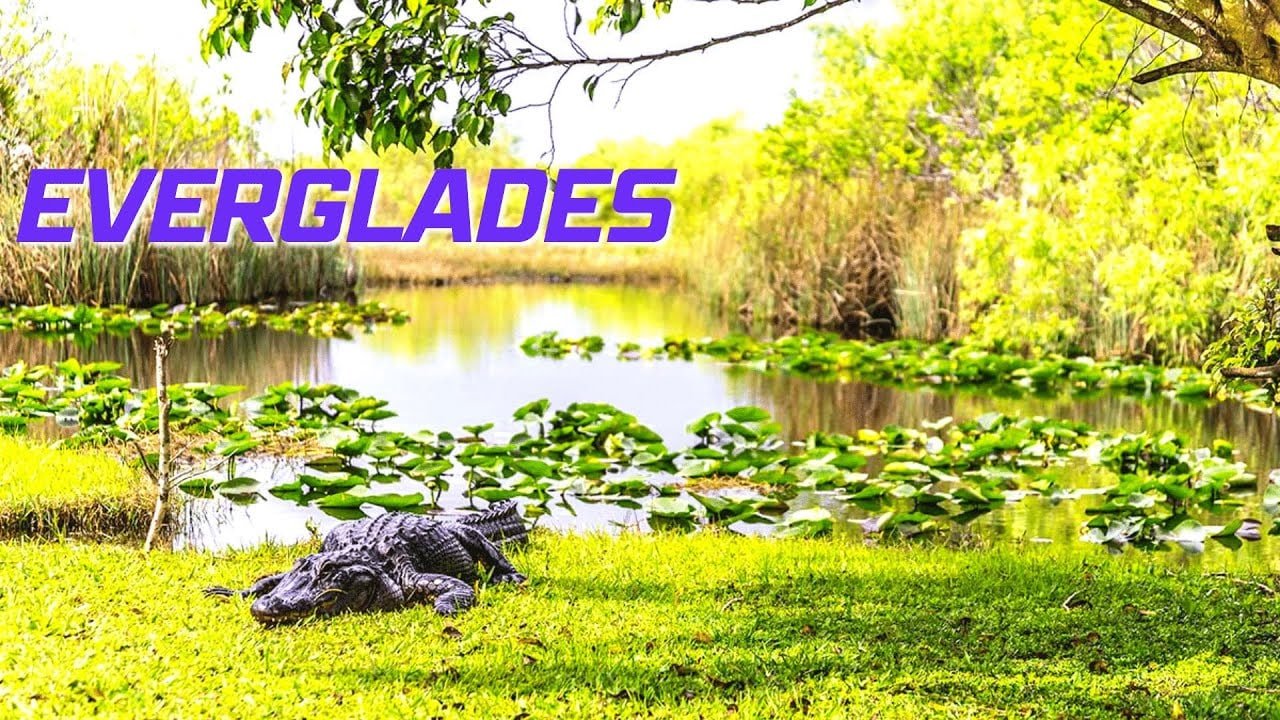
Everglades City is the one I return to most frequently, and I have written about it at length elsewhere, so I will say only what I have not said before: that the version of this place I value most is the September version, before the stone crab season opens on the fifteenth of October and before the first cold front drops the humidity from oppressive to merely heavy. In September the town belongs entirely to itself. The waterfront smells like mangrove and outboard fuel and the air is so thick with moisture that your clothes are damp within minutes of stepping outside, and the Ten Thousand Islands sit there in the Gulf heat doing nothing for anybody, which is the correct behavior of a wilderness that does not need an audience. If you come in September and you are the kind of person who can stand the heat, the town will let you exist inside it rather than beside it.
Apalachicola is eight hours north by the route I take, which is not the fast route, and it requires crossing into the Florida Panhandle, which is a different state in everything but legal designation. The town sits on a bay at the mouth of the Apalachicola River and it was, for a century, one of the most productive oyster fisheries in the country. It is not that anymore, owing to water management decisions upstream in Georgia that reduced the river’s freshwater flow and changed the salinity of the bay in ways the oysters could not accommodate, and the fishing community that remains is smaller and quieter than it was and does not particularly want to be written about by people who will describe the old houses and the waterfront and the remaining seafood operations as atmospheric. The oysters they still harvest are real. The light on the bay in the late afternoon is the flat gold light that the Gulf Coast does in the last hour before dark. The thing I did not expect was a conversation with a man who had oystered here for forty years about the precise year the harvest started declining, and the specific federal agency he blamed, and the way he talked about the bay as something that had been taken from the people who knew it by people who did not have to live with the consequences of what they had decided.
The Fakahatchee Strand is forty minutes from Everglades City and almost nobody goes there, which is a statement that will probably become less true as more people read it, and which I make with some reluctance. It is a state preserve, a long thin strand of cypress swamp running north to south through the Big Cypress basin, and in the right season it contains ghost orchids, which are the most improbable thing I have seen growing in Florida, translucent and rootless and anchored to cypress bark in water that stains your legs brown to the knee. I walked into the swamp with a ranger on a warm October morning and the experience of moving through chest-high water among cypress knees and the smell of tannin and the absolute silence of the interior, broken only by the sound of something large moving in the vegetation ahead of us, revised everything I thought I understood about what Florida is underneath the version of it that gets marketed.
Cedar Key is an island community on the Gulf Coast, two hours north of Tampa, reachable only by a single causeway, small enough that a slow walk covers most of it in an afternoon. It has been a working waterfront since before the Civil War, first for pencil cedar, then for fishing, and it still feels like a working place rather than a place that has been converted into a version of itself for consumption. The clams are farmed in the surrounding waters and they are good in the specific way that things are good when you are eating them where they come from. What unsettled me on my last visit was finding a real estate office with a window full of listings, and the prices on those listings, and understanding that Cedar Key was somewhere in the same process that has transformed most of the Florida coast from working waterfront to amenity, and that the interval between what it is now and what it will become is probably shorter than I would like.
This is what I have come to understand about Florida, after years of driving past the things that everyone else is driving toward: the actual state, the one underneath the one being sold, is still there, but the distance between the two is closing, and the places that remain are the ones that have not yet been noticed by the people who turn noticed places into products.
Everglades City is still on the right side of that line. I am not certain for how long.
Donald Reeves writes about Everglades City the way the place deserves to be written about: without the brochure language, without the manufactured wonder, and without pretending that a town of 400 people sitting at the edge of a swamp is something it is not.
He has spent considerable time in Collier County’s oldest settlement, arriving during stone crab season when the waterfront smells of brine and work, and returning in the off-season when the tourists are gone and the town goes quiet in the particular way that only genuinely remote places can. He has paddled the mangrove tunnels of the Ten Thousand Islands, eaten at places with no hours posted on the door, and spoken at length with fishing guides who navigate these waters by memory rather than chart.
His writing on Everglades City FL covers everything from tidal fishing conditions and kayak trails to lodging, local history, and the complex past that most Florida travel content carefully avoids.
He writes to give readers the honest version.