
What the Water Knows
The couple had been on the water for four hours when I saw them come in, and I could read the trip in their posture before they had finished tying off the kayaks. The woman sat down on the dock immediately, not dramatically, just with the directness of someone whose legs had stopped being optional. The man stood and looked back at the water for a long time without speaking. They had done a mangrove tunnel route, one of the marked ones, and they had gotten turned around inside it for the better part of an hour when the GPS became unreliable and the channel they thought they were following closed into roots and mud. They were fine. They were also not fine in the way that people are not fine after something has asked more of them than they prepared for.
I did not introduce myself. I just watched them collect their things and walk to their car, and I thought about all the content they had probably read before they arrived.
Kayaking the Everglades is described, in the material that circulates about this place, with a consistency that suggests the writers are drawing from a common pool of impressions rather than a common pool of experience. The words that appear: pristine, peaceful, serene, wilderness, adventure. Photographs of kayaks in clear channels with the mangroves making green walls on either side and the sky doing something photogenic overhead. These things are real. The channels are genuinely beautiful. The silence inside a mangrove tunnel, where the canopy closes and the light filters through in pieces and the sounds outside stop, is unlike any other kind of silence I have encountered. I am not arguing with the photographs.
What the photographs cannot convey, and what most of the written content declines to address directly, is the specific nature of the demand this water makes on the people who move through it. The Ten Thousand Islands are not a place where the infrastructure of experience has been arranged to prevent you from making mistakes. The channels are real channels that real water moves through, and they look similar to each other in ways that matter when you are inside them and your phone has stopped being useful and the sun has shifted and you are no longer certain which direction you came from.
I have paddled these waters enough times to have developed a practiced humility about them. The first time I went into a mangrove tunnel alone, I had a map, a compass, and the comfortable confidence of someone who has kayaked in other places and believes, incorrectly, that kayaking in other places has prepared them for this one. The tunnel forked in a way that the map did not show. Both forks looked equally navigable. I chose the left one because the light seemed slightly better. The left one became progressively narrower over about two hundred yards and then closed into a tangle of roots that I had to back out of, slowly, in a kayak that does not reverse gracefully, with the tide beginning to shift under me in a way I could feel but not see.
I made it back without incident. What changed was not my ability to navigate the water. It was my understanding of what the water was.
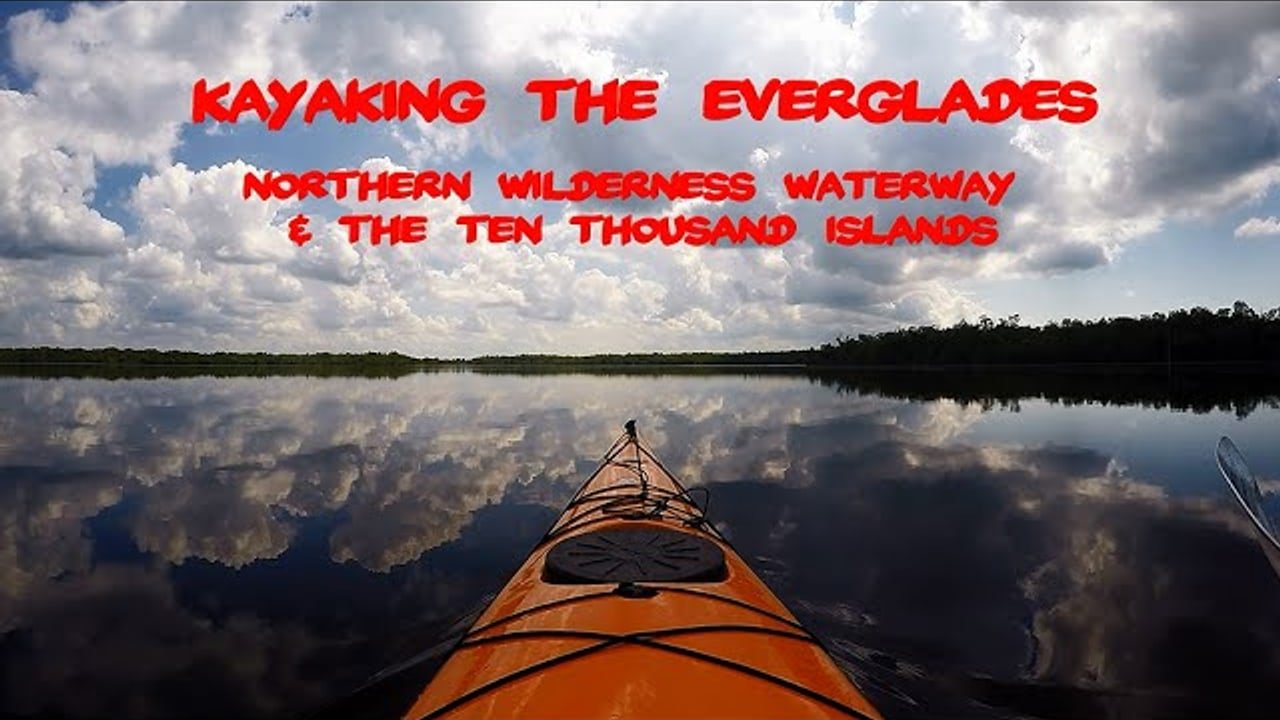
The tides are the thing that most content does not explain with adequate seriousness. The Everglades runs on tidal movement, and the difference between paddling with the tide and against it, over a distance of even a few miles, is the difference between a pleasant afternoon and an experience that tests your physical limits in ways you did not consent to. The tidal windows in the Ten Thousand Islands are not forgiving of imprecision. I have spoken to fishing guides who have been working these waters for thirty years, and every one of them, without exception, monitors the tide schedule with the same attention that I give to, say, whether my car has gas. It is not an afterthought. It is the first fact.
What surprised me, on a later visit, was a conversation with a woman who ran one of the kayak rental operations near the waterfront. I had expected, given the increase in paddling tourism over the past several years, that the conversation about safety and preparation would have become more prominent in how tours and rentals were presented. It had not, she said, because it was commercially inconvenient. People come here with a version of the trip already formed in their minds, she told me, and if you spend too much time on the parts that could go wrong, some of them decide to do something else instead. So the information is available, but it is not pressed. It is offered when asked.
I found this honest in a way that most tourism communication is not, and I found it troubling in equal measure.
The mangrove tunnels are worth paddling. The channels at dawn, with the light doing the thing it does here in the early morning, gold and diffuse over the still water, and a great blue heron standing in the shallows doing its precise and patient work, are worth the early alarm and the effort of getting the kayak in the water. The roseate spoonbill I watched feeding in a shallow flat on my last trip here was doing something with its bill that I have seen described in field guides and never seen captured correctly in any film, a side-to-side sweep through the water that is more tactile than visual, and I sat in the kayak and watched it for a long time without moving, because moving would have ended it.
These things are available to anyone willing to be here properly. Being here properly means knowing the tide before you know anything else.
The water will not adjust itself to what you were told to expect. It will only be what it is.

Donald Reeves writes about Everglades City the way the place deserves to be written about: without the brochure language, without the manufactured wonder, and without pretending that a town of 400 people sitting at the edge of a swamp is something it is not.
He has spent considerable time in Collier County’s oldest settlement, arriving during stone crab season when the waterfront smells of brine and work, and returning in the off-season when the tourists are gone and the town goes quiet in the particular way that only genuinely remote places can. He has paddled the mangrove tunnels of the Ten Thousand Islands, eaten at places with no hours posted on the door, and spoken at length with fishing guides who navigate these waters by memory rather than chart.
His writing on Everglades City FL covers everything from tidal fishing conditions and kayak trails to lodging, local history, and the complex past that most Florida travel content carefully avoids.
He writes to give readers the honest version.