
A guide I know, a man who has been running fishing charters through the Ten Thousand Islands for the better part of thirty years, once told me that the Everglades is the only place he has ever worked where he can tell within fifteen minutes of leaving the dock whether a client actually wants to be there or just wanted to be able to say they had been. The ones who want to be there go quiet when the mangroves close around the boat. The ones who wanted to check it off keep looking at their phones, still hoping for signal, still trying to send the photograph they took back at the dock.
He said he stopped feeling impatient about it years ago. He just adjusts his route.
I thought about that conversation on a morning in November when the air had finally lost its weight and the water in the channels between the keys was the color of strong tea and I had been paddling for two hours without seeing another person. The mangrove roots on either side of the channel were above my head. A tricolored heron was hunting in the shallows twenty feet ahead of me and had not yet decided I was worth worrying about. The GPS on my phone had stopped tracking my position accurately about forty minutes back. I was, by any measure that would have made sense to me before I started coming here, entirely lost, and I was not bothered by this because I had been lost in these channels before and found my way out, and because the particular quality of being lost here, in the middle of a living system that does not notice or care about your presence, is one of the few experiences I know that actually quiets the part of the mind that is always planning something.
This is the Everglades that most people who visit the Everglades never find.
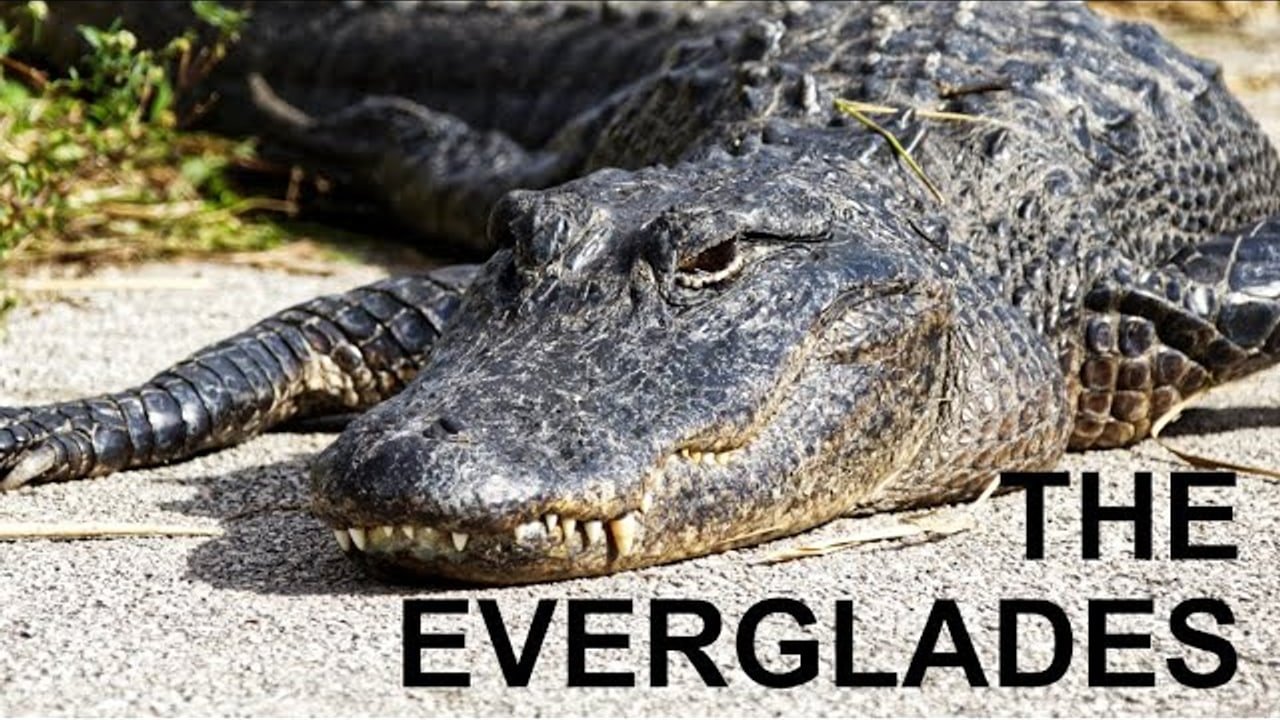
The park has several ways in. From the east, you enter at the main gate near Homestead and drive the road south toward Flamingo, past the sawgrass prairie and the ponds where herons and anhingas work the shallows and, if you are lucky and patient, an alligator presents itself near the boardwalk. From the Tamiami Trail you can enter at Shark Valley, which has a tram and a tower and gives you the long view over the river of grass that Marjory Stoneman Douglas wrote about. Both of these are real. Both of these are the Everglades. What they are not is complete, and the gap between them and what the Gulf Coast entry at Everglades City offers is so significant that calling them versions of the same experience is, I think, a minor dishonesty.
I have spoken to people who drove to Homestead, walked the boardwalks, saw the information boards, got back in their car, and came away thinking they had seen it. Some of them had genuinely tried. They had spent an afternoon in the heat and they had watched the sawgrass and they had not understood what they were looking at, which is not a failure of intelligence or curiosity but a failure of context, because the Everglades is not a landscape that announces itself. It requires explanation and it requires time and it requires, ideally, someone who knows it well enough to point at what looks like unremarkable water and tell you what is actually happening in it.
The thing that unsettled my thinking about all of this came from a conversation I had not expected. A woman at the Gulf Coast Visitor Center in Everglades City, waiting for a boat tour with her husband, told me they had come from the main entrance the day before and had found it, her word, disappointing. I asked her what she had expected. She described something closer to a jungle, dense and vertical, something that would press in around her and make itself felt. The sawgrass prairie had seemed too open, too still, too lacking in obvious drama. I started to explain why the prairie was extraordinary if you understood what it was and then I stopped myself, because what I was about to say was the exact kind of thing that sounds condescending when a stranger says it.
What I think, and I have been thinking about it for a long time, is that the Everglades suffers from a specific problem that other parks do not have, which is that its most significant qualities are invisible to the eye that has not been taught what to look for. The Grand Canyon is immediately and obviously overwhelming. Yellowstone announces itself with steam and sulfur and bison on the road. The Everglades offers you sky and water and silence and asks you to bring the rest. Visitors who bring the rest leave changed. Visitors who expected the park to supply it leave disappointed, and they went to the wrong entrance in the sense that no entrance would have been the right one.
The water here at dusk, when the light goes flat and gold and the ibis come over in lines against the darkening sky, is not trying to impress you. That is the thing about it. It is simply doing what it does, as it has done for far longer than the roads that brought you here, and whether you are present enough to receive it is a question the place will not help you answer.
Some landscapes wait for you to catch up to them. This is one of those.

Donald Reeves writes about Everglades City the way the place deserves to be written about: without the brochure language, without the manufactured wonder, and without pretending that a town of 400 people sitting at the edge of a swamp is something it is not.
He has spent considerable time in Collier County’s oldest settlement, arriving during stone crab season when the waterfront smells of brine and work, and returning in the off-season when the tourists are gone and the town goes quiet in the particular way that only genuinely remote places can. He has paddled the mangrove tunnels of the Ten Thousand Islands, eaten at places with no hours posted on the door, and spoken at length with fishing guides who navigate these waters by memory rather than chart.
His writing on Everglades City FL covers everything from tidal fishing conditions and kayak trails to lodging, local history, and the complex past that most Florida travel content carefully avoids.
He writes to give readers the honest version.