
Everglades City fishing guides and charters operate in one of the most productive inshore fishing ecosystems in North America. The Ten Thousand Islands region supports over 40 game fish species across mangrove estuaries, tidal flats, and backcountry waterways within Everglades National Park.
What Are Everglades City Fishing Guides and Charters?
Everglades City fishing guides and charters are licensed boat operators that provide guided fishing trips through the Ten Thousand Islands and Everglades National Park waterways. They offer access to backcountry, inshore, nearshore, and offshore fishing zones not reachable by land. For context, see our previous guide on Fishing in Everglades City Florida: 8 Species, Top Spots, and Guide Tips for Anglers.
The Florida Fish and Wildlife Conservation Commission (FWC) requires all for-hire fishing captains to hold a U.S. Coast Guard Captain’s License and a Florida Saltwater Products License.
How Much Do Everglades City Fishing Charters Cost?
Everglades City fishing charters range from $350 to $900 per trip. Half-day charters averaging 4 hours cost between $350 and $500. Full-day charters averaging 8 hours cost between $600 and $900, depending on group size and charter type.
|
Charter Type |
Duration |
Average Cost |
|---|---|---|
|
Half-Day Inshore |
4 hours |
$350 – $500 |
|
Full-Day Inshore |
8 hours |
$600 – $750 |
|
Full-Day Offshore |
8 hours |
$750 – $900 |
|
Backcountry |
4 to 6 hours |
$400 – $600 |
What Fish Species Can You Catch in Everglades City?
The Everglades City fishing area supports over 40 saltwater game fish species. Common target species include:
- Snook – found along mangrove shorelines and tidal creeks
- Redfish (Red Drum) – found on grass flats and oyster bars
- Tarpon – found in passes, channels, and backcountry ponds
- Speckled Trout – found over shallow seagrass beds
- Sheepshead – found around structure and oyster bars
- Flounder – found on sandy bottom transition flats
- Cobia – found nearshore and offshore in open Gulf water
What Is the Best Fish to Target in Everglades City?
Snook, redfish, and tarpon are the 3 most targeted species by fishing guides in Everglades City. The Florida Fish and Wildlife Conservation Commission classifies all 3 as regulated game fish with specific size limits, bag limits, and seasonal closures.
What Are the 4 Types of Fishing Charters Available in Everglades City?
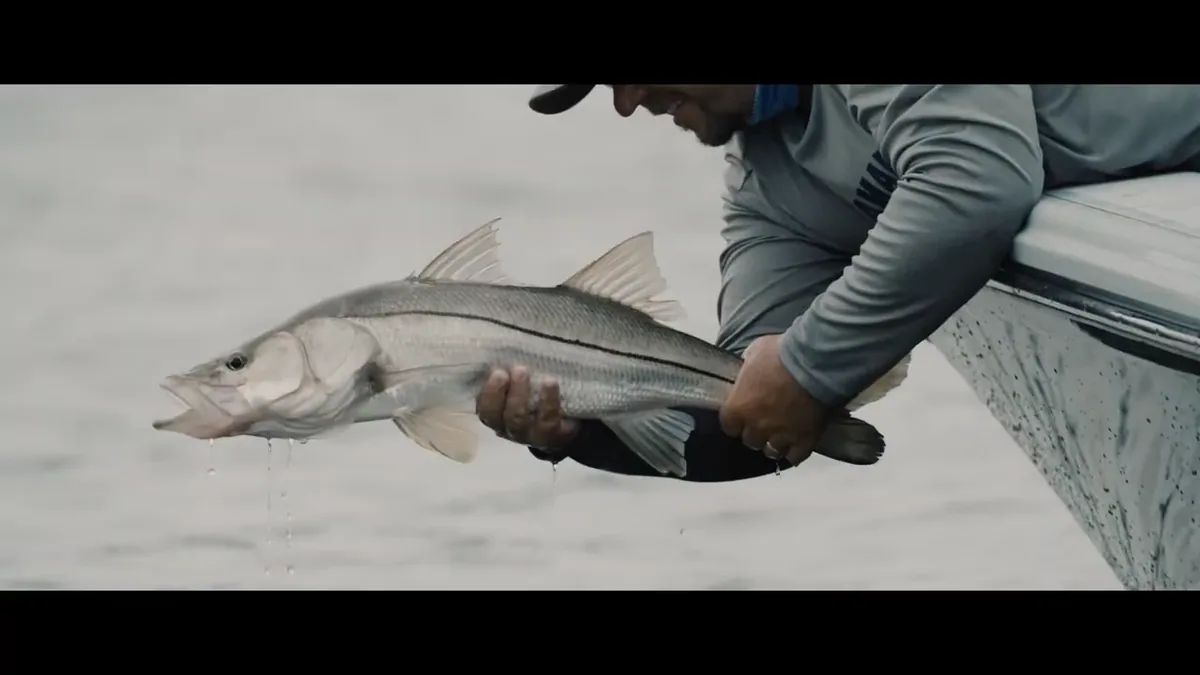
There are 4 main types of fishing charters available in Everglades City. These include backcountry, inshore, nearshore, and offshore charters. Each targets different species and water depths.
What Is Backcountry Fishing in Everglades City?
Backcountry fishing targets snook, redfish, and tarpon in shallow mangrove-lined waterways inside Everglades National Park. Guides use shallow-draft flats boats to navigate areas with water depths between 1 and 3 feet. This is the most popular charter type among visiting anglers.
What Is Inshore Fishing in Everglades City?
Inshore fishing covers tidal flats, seagrass beds, and oyster bars within 3 miles of the coastline. Target species include redfish, speckled trout, and sheepshead. Inshore charters are recommended for beginners and family groups due to calm water conditions.
What Is Nearshore Fishing Near Everglades City?
Nearshore fishing takes place between 3 and 9 miles offshore in the Gulf of Mexico. Target species include cobia, Spanish mackerel, and king mackerel. Nearshore trips perform best during spring migration from March to May and fall migration from September to November.
What Is Offshore Fishing Near Everglades City?
Offshore fishing operates beyond 9 miles in the Gulf of Mexico. Target species include grouper, red snapper, and amberjack. Offshore trips average 8 hours and are best suited for experienced anglers.
When Is the Best Time to Go Fishing in Everglades City?
The best time to fish in Everglades City is between November and May. Water temperatures range from 65 to 78 degrees Fahrenheit during this window. Snook, redfish, and tarpon activity peaks from March to June, according to the Florida Fish and Wildlife Conservation Commission.
|
Month Range |
Target Species |
Conditions |
|---|---|---|
|
November – January |
Redfish, Sheepshead, Flounder |
Cool water, calm winds |
|
February – March |
Snook, Redfish |
Warming water, pre-spawn movement |
|
April – June |
Tarpon, Snook |
Peak season, high fish activity |
|
July – October |
Mixed inshore species |
Hot water, afternoon storm patterns |
What Fishing Licenses Are Required in Everglades City?
A Florida saltwater fishing license is required for all anglers aged 16 and older fishing in Everglades City waters. Licenses are issued through the Florida Fish and Wildlife Conservation Commission at myfwc.com.
3 standard non-resident license options are available:
- 3-day non-resident license: $17
- 7-day non-resident license: $30
- Annual non-resident license: $47
Note that anglers fishing aboard a licensed for-hire charter are typically covered under the captain’s Saltwater Products License. Confirm coverage with your charter operator before booking.
How Do You Choose a Fishing Guide in Everglades City?
There are 5 criteria to evaluate when choosing a fishing guide in Everglades City:
- U.S. Coast Guard Captain’s License – verify the captain holds a current USCG license
- Local experience – guides with 5 or more years in the Ten Thousand Islands have detailed knowledge of seasonal fish patterns
- Equipment quality – confirm the charter provides rods, reels, tackle, and bait as part of the trip fee
- Verified reviews – check ratings on Google, TripAdvisor, or the Orvis-Endorsed Guide network before booking
- Cancellation policy – confirm the refund or rebooking policy for weather-related cancellations before payment
Is Everglades City a Good Fishing Destination?
Yes. Everglades City is recognized as one of the top inshore fishing destinations in the United States. Outdoor Life has listed the Ten Thousand Islands among the best backcountry fishing regions in North America, citing species diversity and protected water quality within Everglades National Park.
What Should You Bring on an Everglades City Fishing Charter?
There are 8 essential items to bring on an Everglades City fishing charter:
- Valid Florida fishing license (if not covered by the charter)
- Polarized sunglasses for sight fishing on shallow flats
- Sunscreen with SPF 50 or higher
- DEET-based insect repellent at 30% or higher concentration
- Light, moisture-wicking clothing with UV protection
- Non-marking, non-slip footwear for the boat deck
- Water – minimum 2 liters per person for a half-day trip
- A cooler for fish storage (confirm whether the charter provides one)
What Are the Fishing Regulations in Everglades City?
The Florida Fish and Wildlife Conservation Commission enforces 4 key regulations for fishing in Everglades City and Ten Thousand Islands waters:
- Snook: Minimum size 28 inches with a slot limit in effect. Closed seasons apply from December 1 to February 28 and May 1 to August 31 in Gulf waters.
- Redfish: Slot limit of 18 to 27 inches. Bag limit of 1 fish per person per day.
- Tarpon: A $51.50 tarpon tag is required to harvest any fish over 24 inches. Catch-and-release is required in most Everglades National Park zones.
- Everglades National Park zones: Live and dead bait restrictions apply within designated park boundaries. Verify current zone maps at nps.gov/ever before your trip.
Non-compliance with FWC regulations carries fines ranging from $50 to $500 per violation.
What Is the Ecological Role of the Everglades City Fishing Ecosystem?
The Ten Thousand Islands estuary is classified as Essential Fish Habitat by the National Oceanic and Atmospheric Administration (NOAA). Its mangrove root systems serve as nursery habitat for juvenile snook, redfish, and tarpon, supporting long-term fish population stability across southwest Florida.
The combination of Everglades National Park protections, FWC regulations, and guide-led conservation practices makes Everglades City one of the most ecologically responsible fishing destinations in the southeastern United States.

Donald Reeves writes about Everglades City the way the place deserves to be written about: without the brochure language, without the manufactured wonder, and without pretending that a town of 400 people sitting at the edge of a swamp is something it is not.
He has spent considerable time in Collier County’s oldest settlement, arriving during stone crab season when the waterfront smells of brine and work, and returning in the off-season when the tourists are gone and the town goes quiet in the particular way that only genuinely remote places can. He has paddled the mangrove tunnels of the Ten Thousand Islands, eaten at places with no hours posted on the door, and spoken at length with fishing guides who navigate these waters by memory rather than chart.
His writing on Everglades City FL covers everything from tidal fishing conditions and kayak trails to lodging, local history, and the complex past that most Florida travel content carefully avoids.
He writes to give readers the honest version.