
Oklahoma City has a violent crime rate of 676 per 100,000 residents, which is 88.3% higher than the national average of 359 per 100,000, based on 2024 FBI data. The city recorded 4,796 violent crimes and 20,528 property crimes in the same reporting year. Specific neighborhoods, including Nichols Hills, Edmond, and Warwick Estates, report crime rates well below both city and national averages.
For related reading, see Things to Do in Oklahoma City: 10 Top Attractions, Districts, and Experiences in OKC.
What Is the Crime Rate in Oklahoma City?
Oklahoma City's overall crime rate is 3,569.5 incidents per 100,000 residents, which is 68.4% above the national average, based on 2024 FBI Uniform Crime Reports data released in October 2025.
The city recorded 25,324 total crimes in the most recent reporting year. These break down into 2 categories:
- Violent crime: 4,796 incidents, or 676 per 100,000 residents
- Property crime: 20,528 incidents, or 2,893.5 per 100,000 residents
| Crime Type | OKC Rate (per 100K) | National Average (per 100K) | Difference |
|---|---|---|---|
| Violent crime | 676 | 359 | +88.3% |
| Property crime | 2,893 | 1,760 | +64.4% |
| Overall crime | 3,569 | 2,100 (approx.) | +68.4% |
Oklahoma City has 1,382 active police officers. Violent crime increased 6% year over year, while property crime decreased 1%. The overall crime rate remained flat year over year.
How Does Oklahoma City Compare to Other Oklahoma Cities for Crime?
Oklahoma City ranks 293rd safest out of 313 cities in Oklahoma, according to HomeSnacks analysis of 2024 FBI data. More than 95% of Oklahoma communities have a lower crime rate than Oklahoma City.
At the state level, Oklahoma's violent crime rate of 422.8 per 100,000 is 17.7% higher than the US average. Oklahoma ranked 13th among all US states for violent crime rates in 2024. The state's overall crime rate decreased 6.9% from 2023 to 2024, though this was lower than the national average decrease of 8.4%.
What Are the Safest Neighborhoods in Oklahoma City?
The 5 safest neighborhoods in Oklahoma City are Nichols Hills, Warwick Estates, Crown Heights, Mesta Park, and Quail Creek, based on violent and property crime data from January 2024 to June 2025, sourced from the Oklahoma State Bureau of Investigation, FBI NIBRS database, and CrimeGrade.org.
| Neighborhood | Safety Profile | Notable Feature |
|---|---|---|
| Nichols Hills | Lowest crime in all of OKC | Gated residences, limited through traffic |
| Warwick Estates | Second safest for families | Putnam City North High School, near Bluff Creek Park |
| Crown Heights | Low crime, historic area | Preserved historic buildings |
| Mesta Park | Below city crime norms | Tree-lined streets, walkable to Midtown |
| Quail Creek | Low crime | Dedicated bike lanes, near Quail Creek Mall |
What Makes Nichols Hills the Safest Neighborhood in OKC?
Nichols Hills has the lowest violent crime rate in all of Oklahoma City, driven by 3 structural factors: limited through traffic reducing outside criminal exposure, well-lit streets, and active neighborhood patrol programs.
Nichols Hills' neighborhood is known to have the lowest crime rates in all of Oklahoma City. Established in the early 1930s, it is one of the metro's most prestigious communities. It carries a Niche grade of A and a population of approximately 3,840 residents.
In Nichols Hills, violent crime rates are among the lowest in the metro, partly due to limited through traffic, well-lit streets, and active neighborhood patrol programs. Mesta Park, located just north of Midtown, keeps crime below city norms while offering tree-lined streets, historic architecture, and walkable access to local shops and cafes.
What Are the Safest Cities Near Oklahoma City?
The 5 safest cities in the Oklahoma City metro area are Edmond, Yukon, Moore, Mustang, and Piedmont, based on 2024 FBI crime data.
| City | Population | Violent Crime vs. National Average | Median Home Price |
|---|---|---|---|
| Edmond | 94,428 | 30% below | $338,216 |
| Yukon | 22,709 | 54% below | $255,760 |
| Moore | 62,793 | 46% below | Not specified |
| Mustang | 24,424 | Below state and national avg. | Affordable |
| Piedmont | 9,293 | 75 per 100K (safest in Oklahoma) | Not specified |
Is Edmond, Oklahoma Safe?
Edmond is the safest large city in the Oklahoma City metro, with a crime rate 30% below the national average. Edmond is a rapidly growing city of 94,428 people located just north of Oklahoma City. The city has a crime rate that is 30% below the national average, making Edmond one of the safest places to live in Oklahoma.

Edmond ranked as the number 1 best suburb in the Oklahoma City area on Niche's 2026 rankings. Edmond offers the perks of suburban life with the price tag to match. Rent averages $1,517, but crime stays low. Its 0.86 crime-to-rent ratio reflects a community that invests in safety.
Is Yukon, Oklahoma Safe?
Yukon has a violent crime rate 54% below the national average, making it one of the safest suburbs in the OKC metro. Yukon has a population of 22,709 and a violent crime rate that is 54% below the national average. Yukon mainly serves as a commuter city for Oklahoma City, with the local economy being heavily based around agricultural mills. The median home price in Yukon is $255,760.
Is Moore, Oklahoma Safe?
Moore has a violent crime rate 46% below the national average, with a population of 62,793. Moore is a city in Cleveland County that is located between Norman and Oklahoma City. The city's population is 62,793, with a violent crime rate that is 46% below the national average.
Which Areas of Oklahoma City Have Higher Crime?
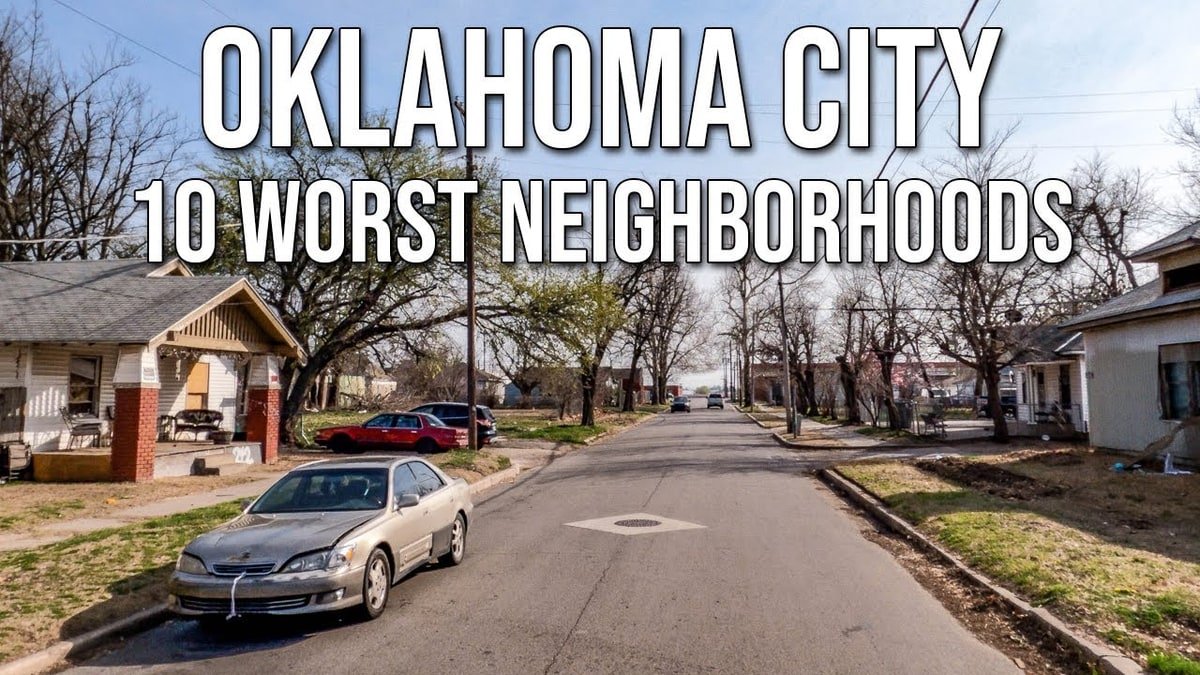
Crime in Oklahoma City is concentrated in specific inner-city zip codes and corridors rather than distributed evenly across the city. Areas with historically higher crime activity include portions of south Oklahoma City, northeast OKC near the I-35 corridor, and sections of the downtown periphery outside the managed entertainment and business districts.
Visitors to tourist areas including Bricktown, Midtown, Nichols Hills, and the Oklahoma City National Memorial corridor experience a patrolled and commercially active environment. Areas with active nightlife, good lighting, and frequent patrols, like Midtown and Bricktown, tend to feel more secure in the evenings.
The OKC Police Department publishes a live crime map at the official OKCPD website. Third-party tools including CrimeGrade.org, SpotCrime, and the Citizen app provide neighborhood-level incident data for prospective residents and renters.
Is Oklahoma City Safe for Tourists?
Oklahoma City is safe for tourists when visits are concentrated in its established entertainment, museum, and park districts. The highest-traffic tourist destinations, including Bricktown, the National Cowboy and Western Heritage Museum, Scissortail Park, the Oklahoma City National Memorial, and the OKC Zoo, are located in well-patrolled areas with active foot traffic and security infrastructure.
4 standard safety practices apply when visiting OKC:
- Use secure, designated parking in Bricktown and downtown rather than street parking on peripheral blocks
- Keep valuables out of visible sight in parked vehicles, as property crime is the city's most frequent offense category
- Use rideshare services for late-night travel between entertainment venues
- Check the OKCPD crime map before visiting unfamiliar neighborhoods
Is Oklahoma City a Good Place to Live?
Oklahoma City is a good place to live for residents who prioritize affordability, employment access, and suburban safety, particularly in the metro suburbs of Edmond, Yukon, Moore, and Mustang.
Oklahoma is rated in the top 10 states for both cost of living and housing affordability. The OKC metro has a growing economy driven by energy, aerospace, healthcare, and technology sectors. The city averages 235 days of sunshine per year.
Oklahoma City is a fantastic place for families, offering affordable living and excellent schools. The safest family-oriented suburbs, including Nichols Hills, Edmond, and Deer Creek, offer gated residences, sought-after school districts, newer homes, and luxury properties within 20 to 30 minutes of downtown OKC.
For residents choosing to live within city limits, neighborhoods including Mesta Park, Crown Heights, and Midtown offer walkable, lower-crime environments with access to the city's arts, dining, and entertainment districts.
What Is the Oklahoma City Police Non-Emergency Number?
The Oklahoma City Police Department non-emergency number is 405-231-2121. The Oklahoma City Police Department provides anonymous, non-emergency lines to report suspicious activity. This line is staffed 24 hours a day, 7 days a week.
Use the non-emergency line for situations that require police attention but not an immediate response. Examples include reporting a past crime, filing a police report for insurance purposes, noise complaints, and suspicious activity that poses no immediate threat.
Call 911 for all emergencies involving active crime, medical emergencies, or fire.
What Are the Emergency Contact Numbers for OKC and Surrounding Cities?
The table below lists non-emergency police and fire contact numbers for Oklahoma City and 8 surrounding metro municipalities, sourced from the Association of Central Oklahoma Governments (ACOG).
| City | Non-Emergency Number |
|---|---|
| Oklahoma City (OKCPD) | 405-231-2121 |
| OKCPD Headquarters | 405-297-1111 |
| EMSA (ambulance) | 405-297-7000 |
| Edmond | 405-359-4338 |
| Yukon | 405-354-2553 |
| Moore | 405-793-5173 |
| Midwest City | 405-739-1388 |
| Nichols Hills | 405-843-5672 |
| Mustang | 405-376-2488 |
| Norman | 405-321-1444 |
For all situations, store 911 and the relevant non-emergency number for your city separately. The OKCPD non-emergency line at 405-231-2121 covers all incidents within Oklahoma City proper. Suburban residents should call their municipality's dedicated line.

Donald Reeves writes about Everglades City the way the place deserves to be written about: without the brochure language, without the manufactured wonder, and without pretending that a town of 400 people sitting at the edge of a swamp is something it is not.
He has spent considerable time in Collier County’s oldest settlement, arriving during stone crab season when the waterfront smells of brine and work, and returning in the off-season when the tourists are gone and the town goes quiet in the particular way that only genuinely remote places can. He has paddled the mangrove tunnels of the Ten Thousand Islands, eaten at places with no hours posted on the door, and spoken at length with fishing guides who navigate these waters by memory rather than chart.
His writing on Everglades City FL covers everything from tidal fishing conditions and kayak trails to lodging, local history, and the complex past that most Florida travel content carefully avoids.
He writes to give readers the honest version.